








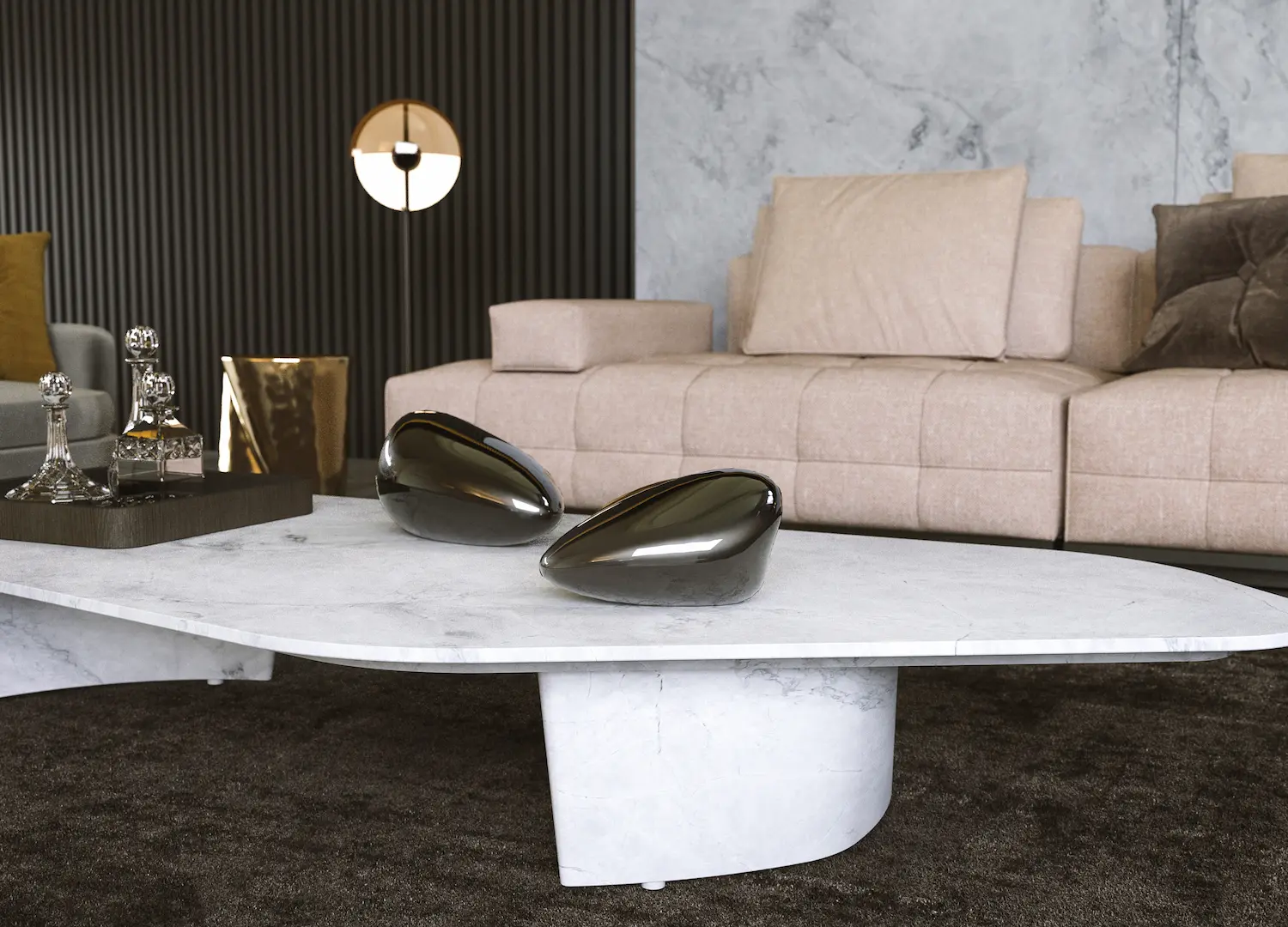
White Marble: Types and Applications
White marble captivates with its soft shine, versatility, and the lightness, refinement, and timeless presence it brings to spaces.
If you plan to use white marble in your projects, understanding its main patterns, textures, and how to combine it in décor makes all the difference in the final result. In this article, we’ll explore its geological origin, key characteristics, and inspiring ways to apply white marble with sophistication.
What is the origin of white marble?
White marble is formed when limestone or dolomite rocks undergo deep transformations such as high pressure, heat, and chemical reactions over millions of years. These sedimentary rocks—often deposited at the bottom of ancient seas—are recrystallized into compact crystalline masses.
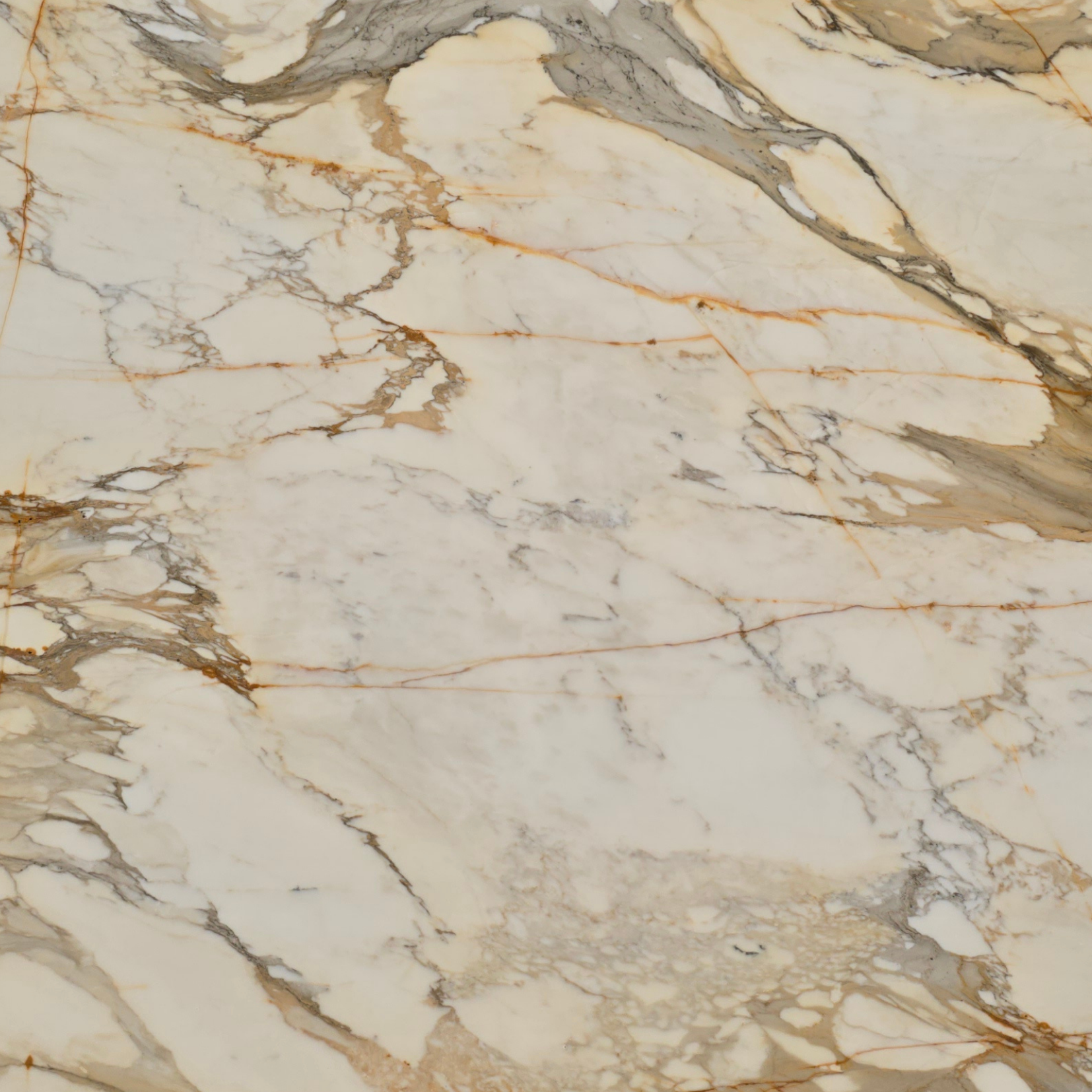
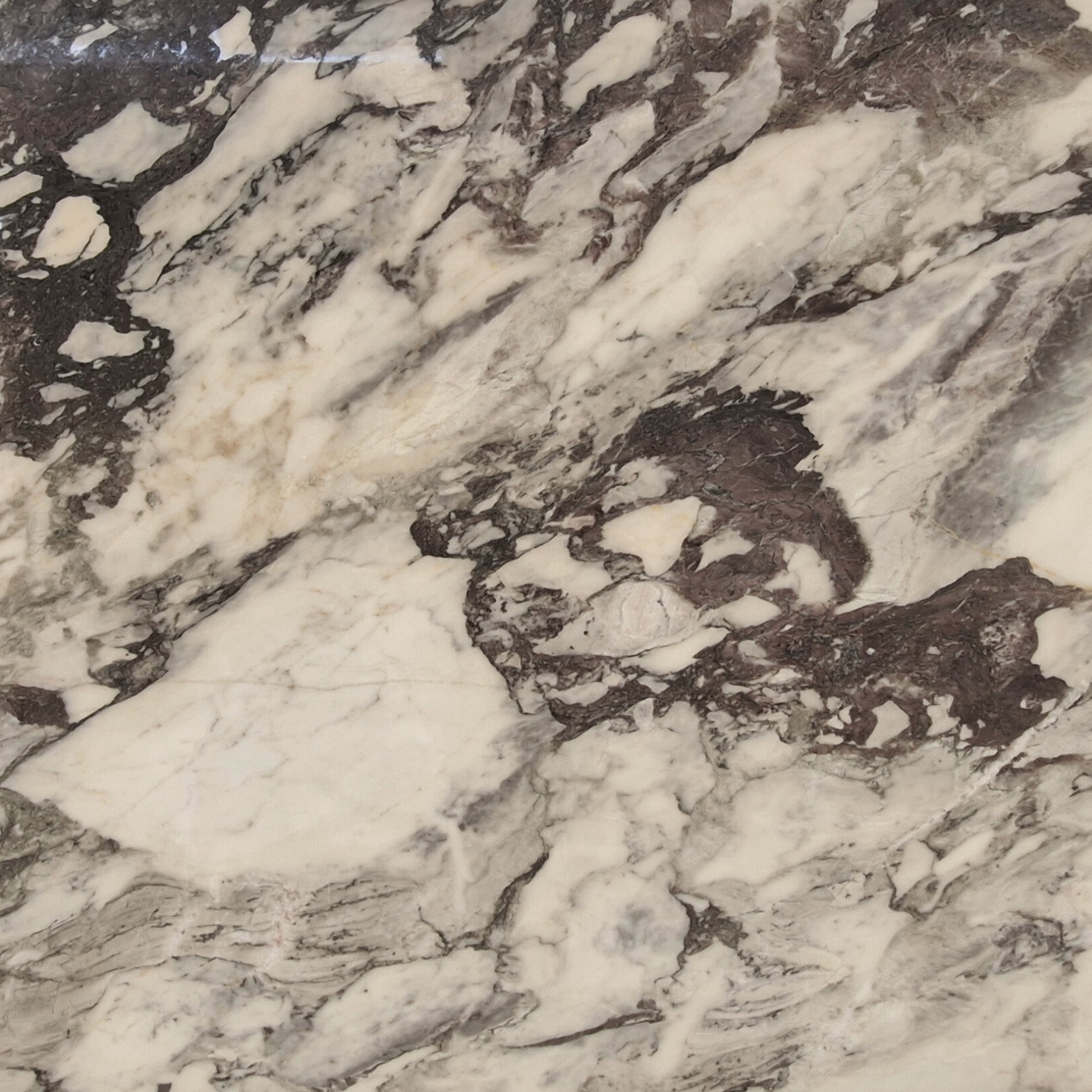
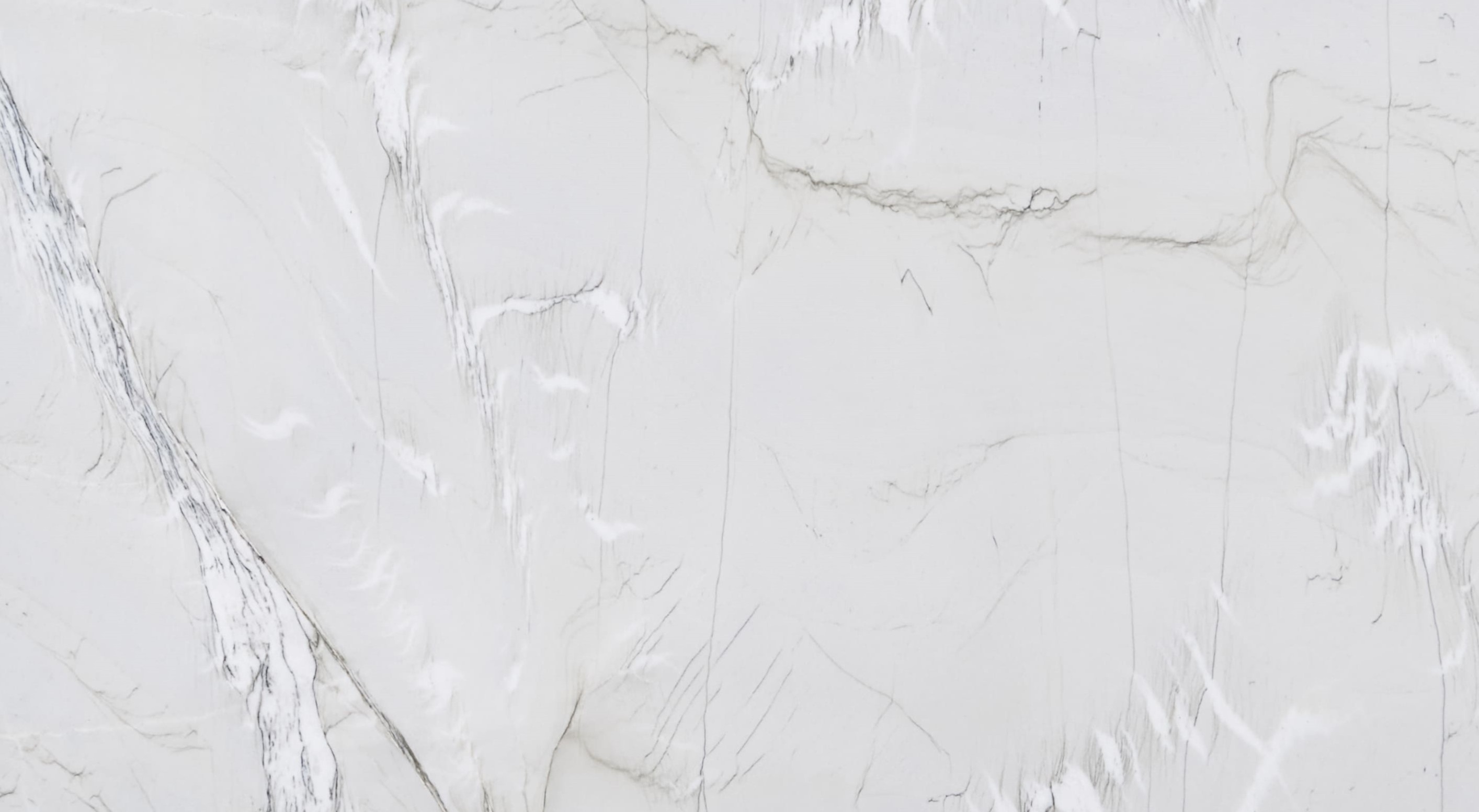
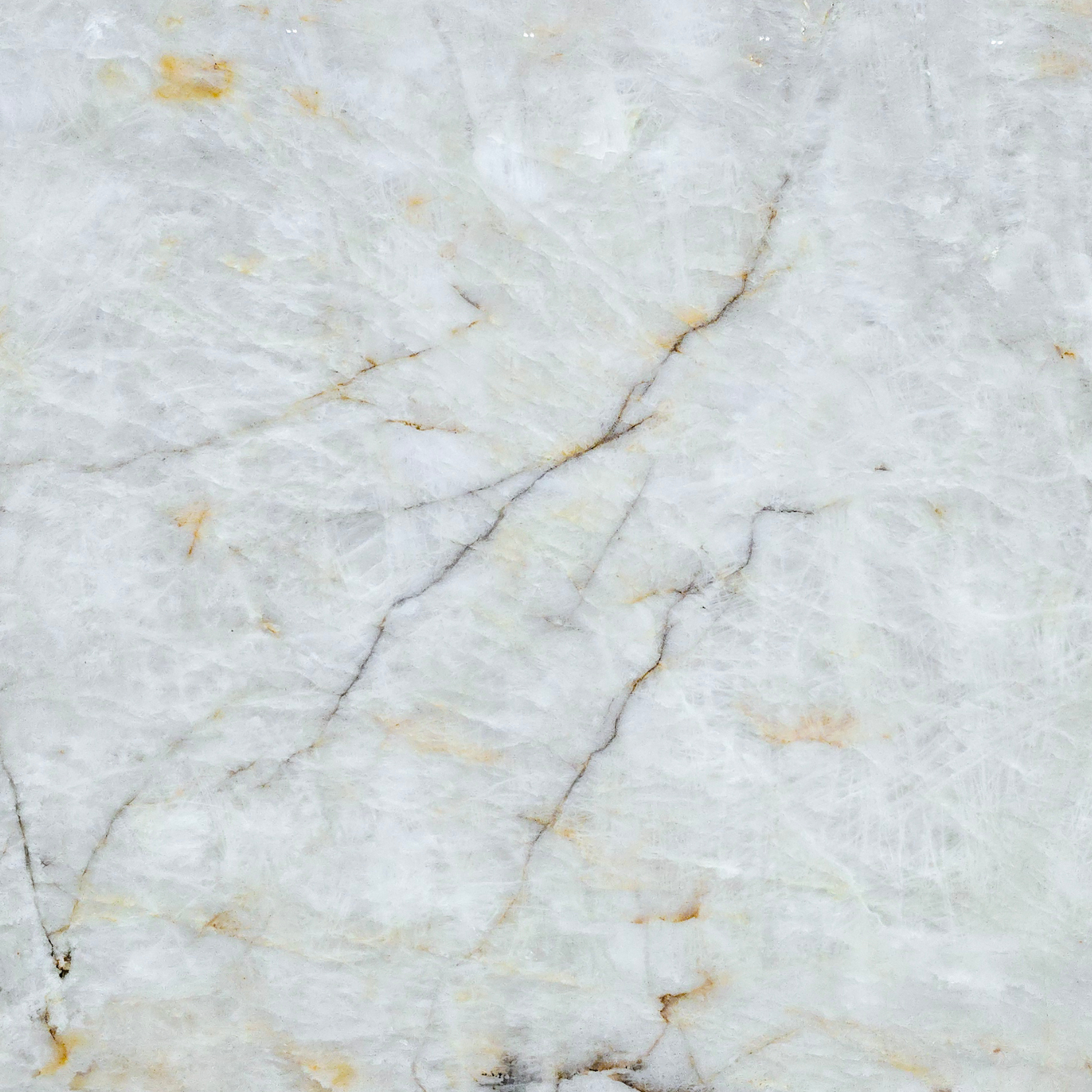
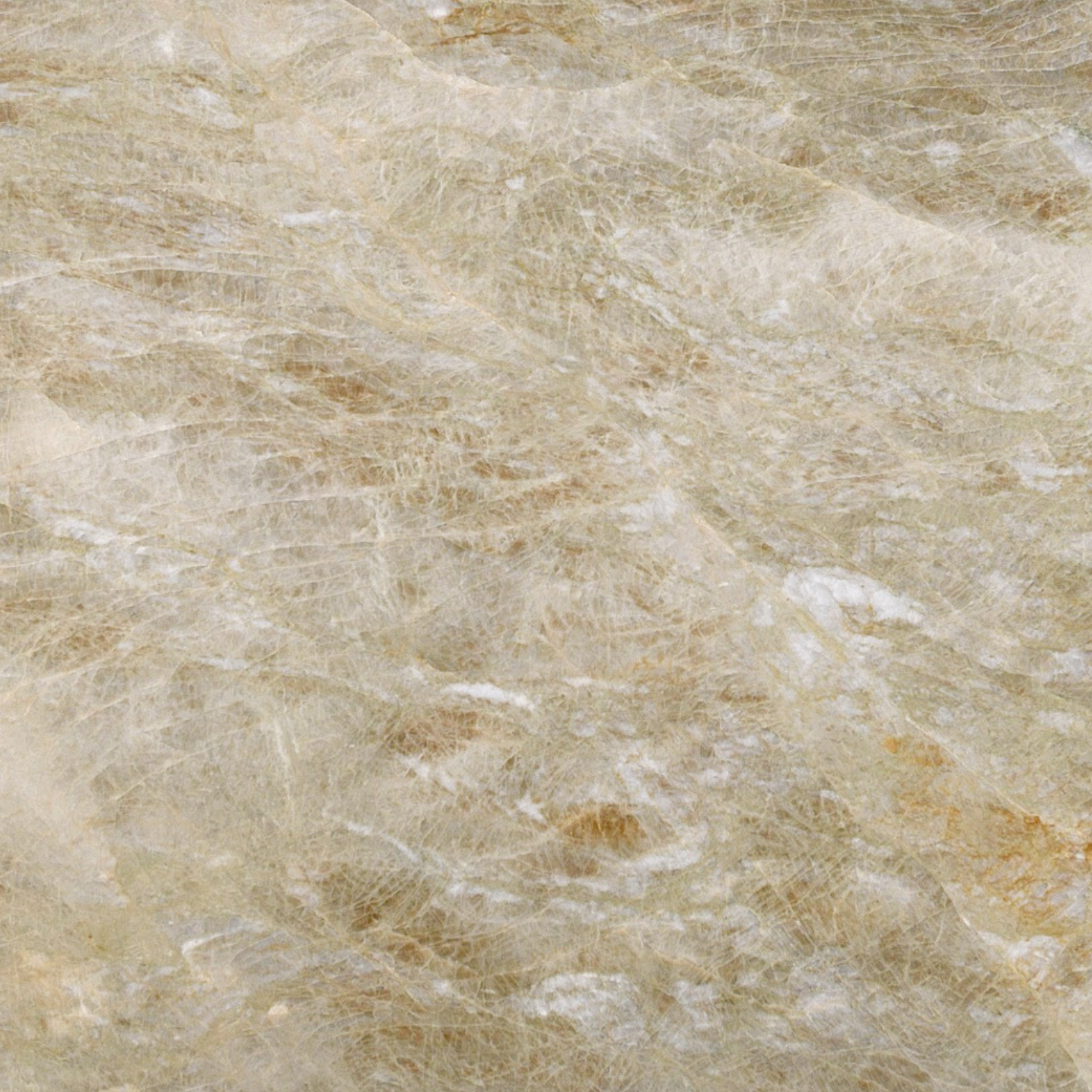
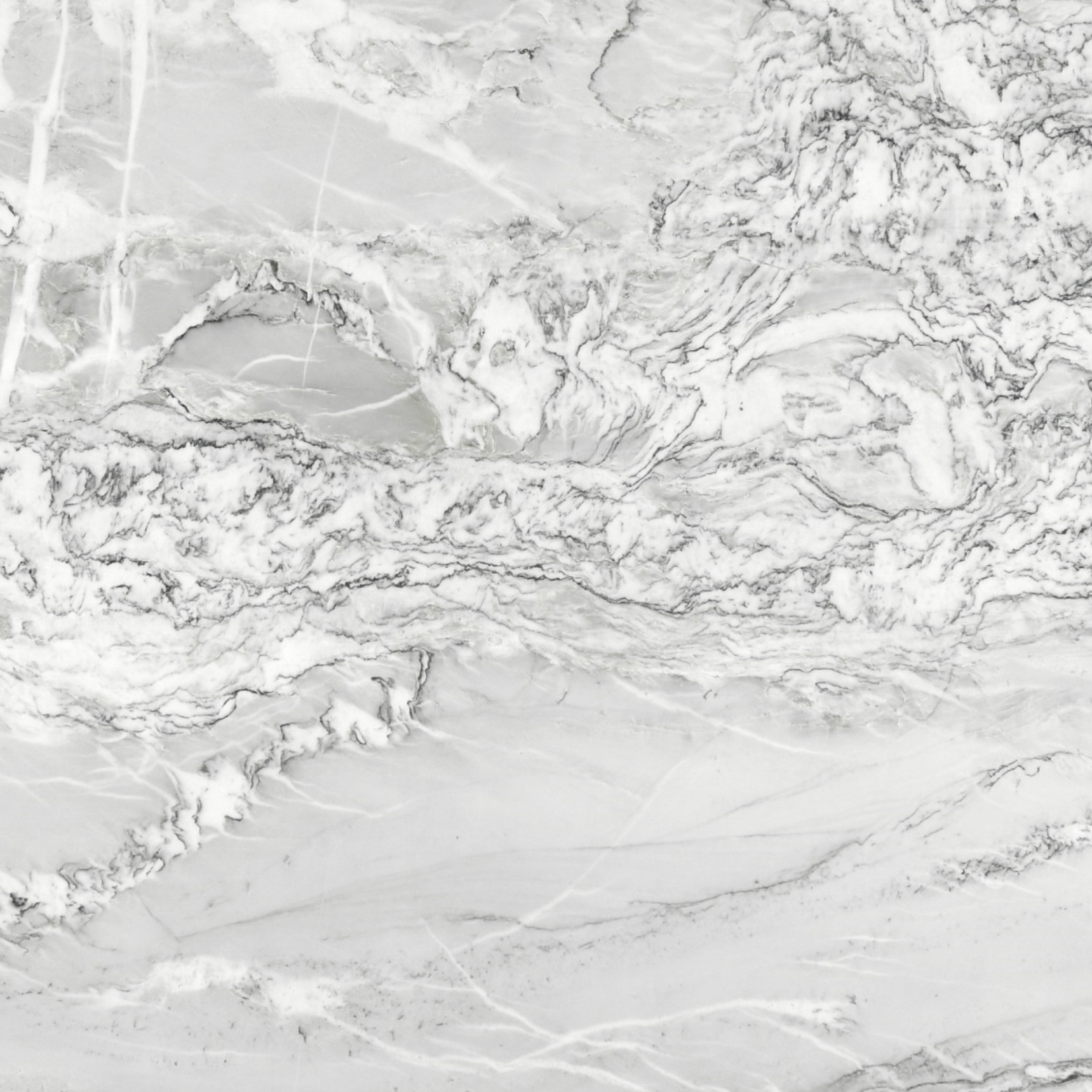
What defines a marble as “white” is its predominant light background, ranging from pure white to almost beige, along with neutral veining whose color, thickness, and pattern determine the personality of each piece.
In the past, sculptors used white marble for monumental works, such as ancient statues and grand buildings. Today, architects and interior designers still choose this material for its elegance, its ability to reflect light, and its versatility with many design styles.
What are the types of white marble?
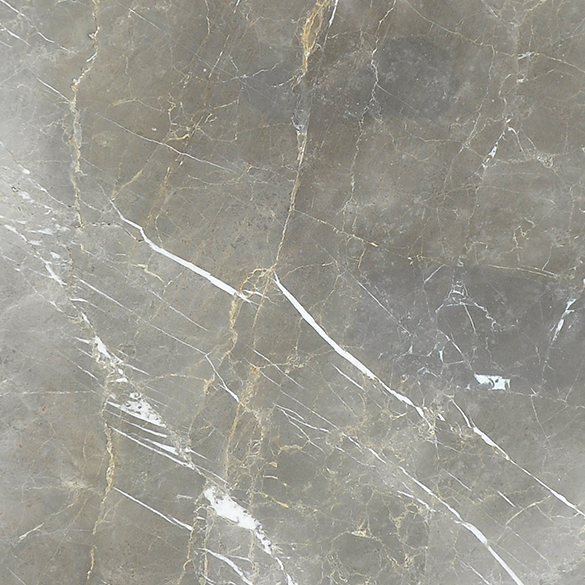
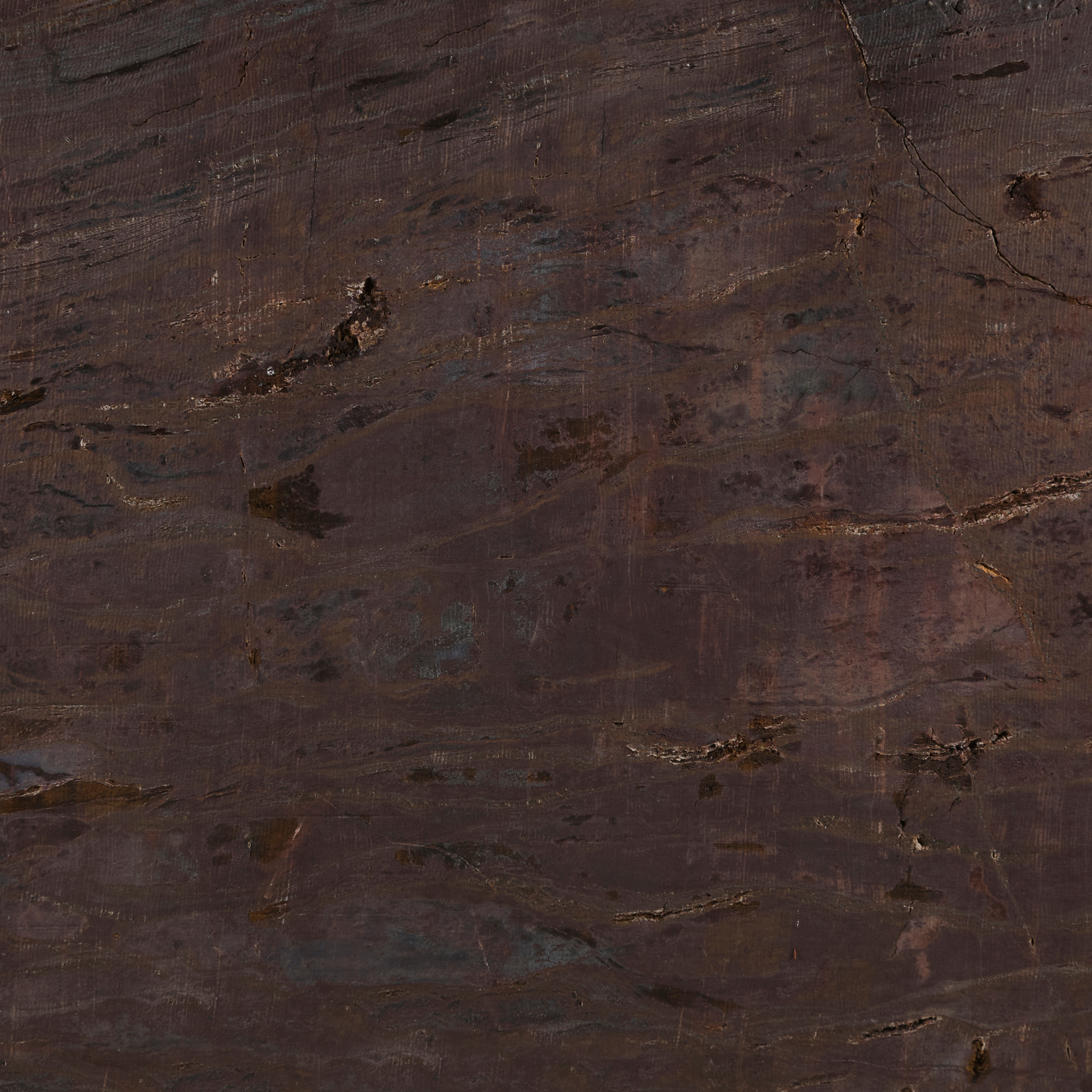
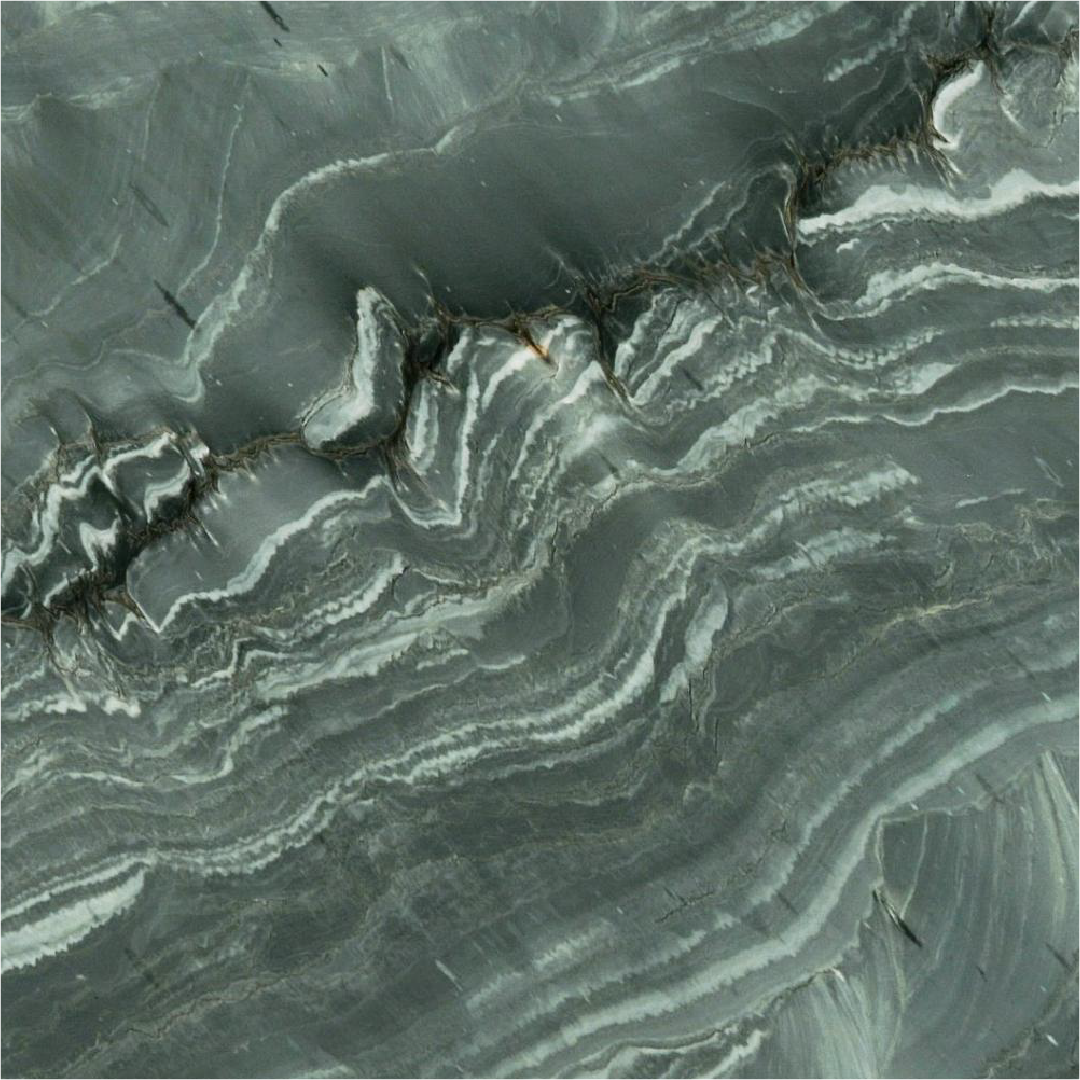
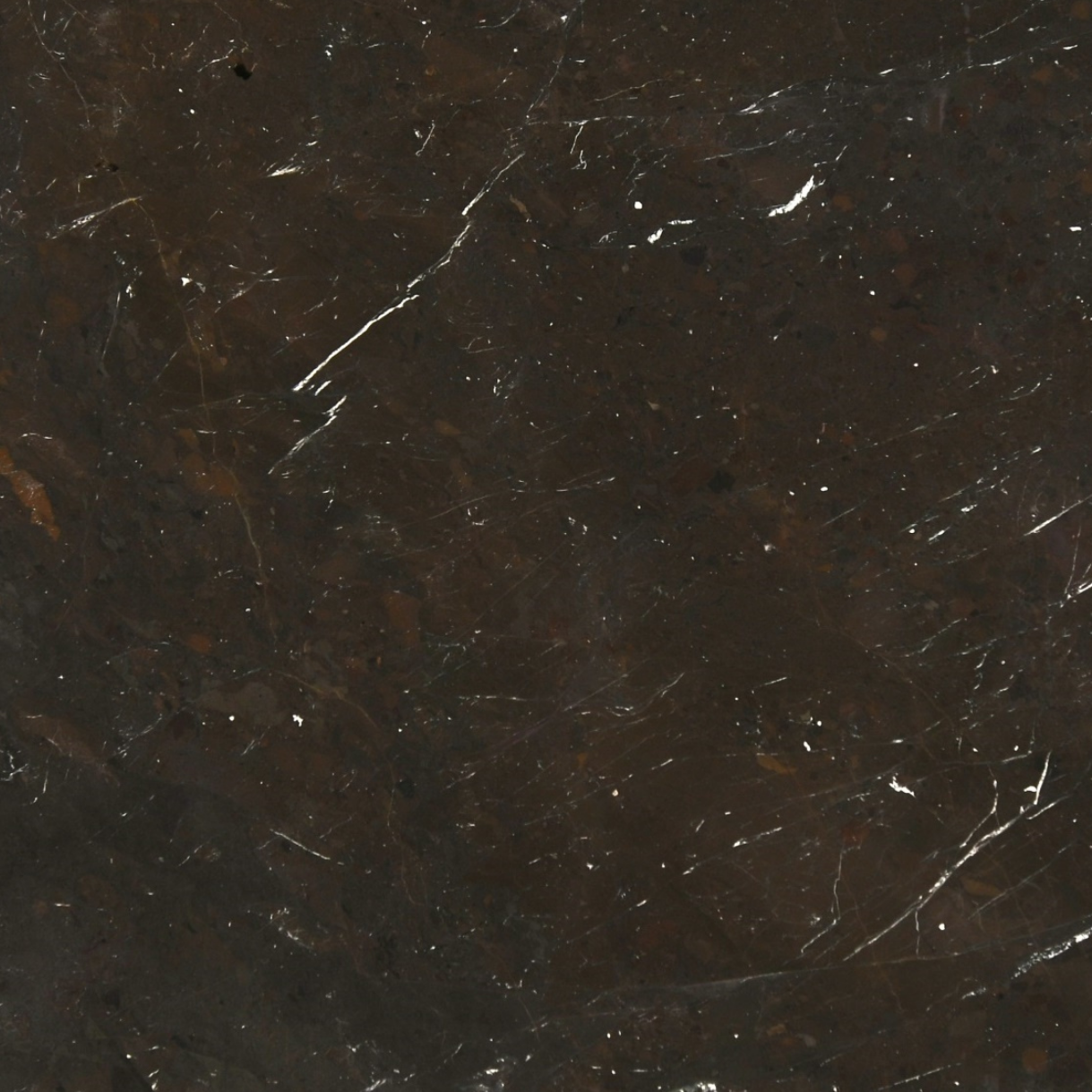
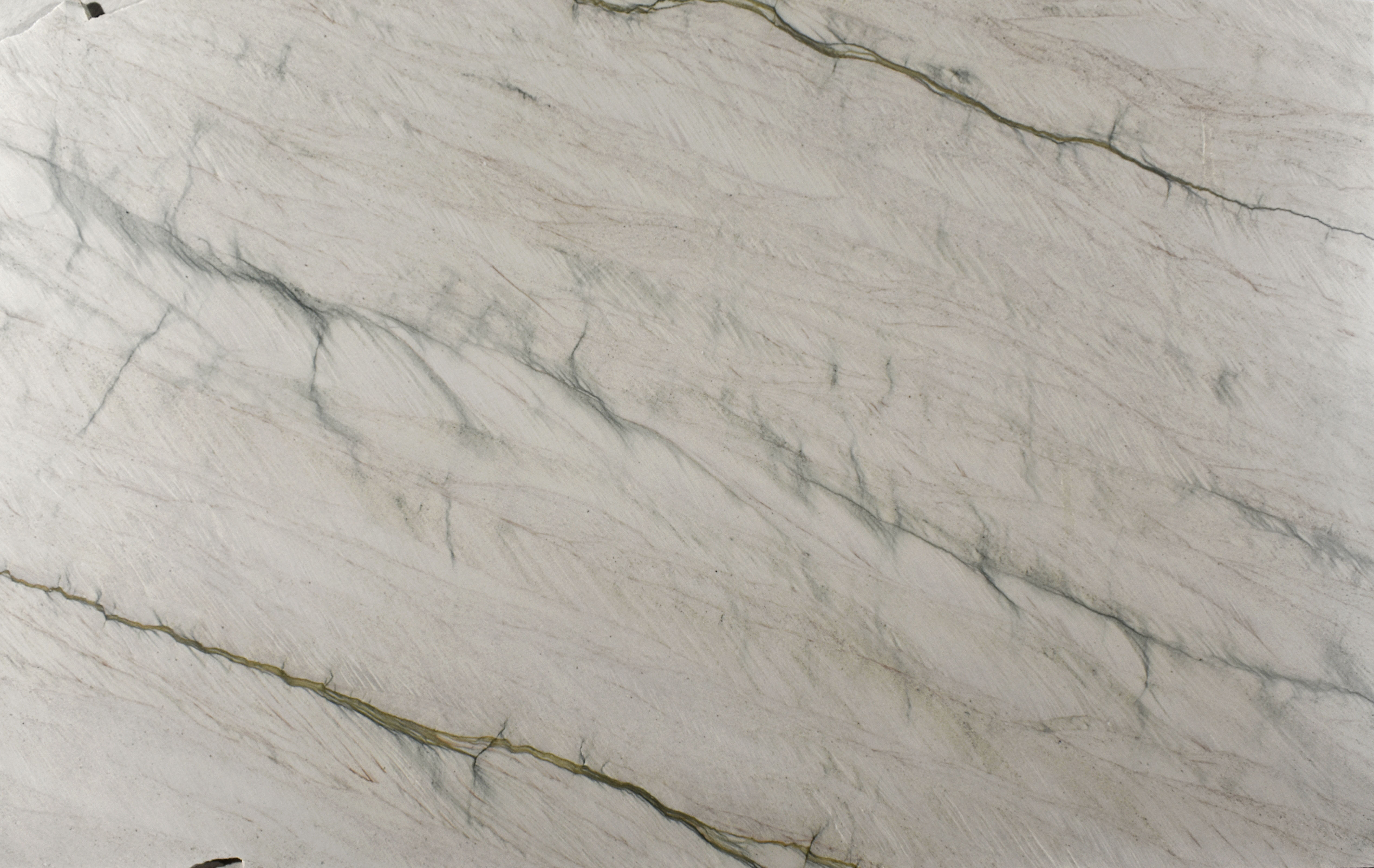
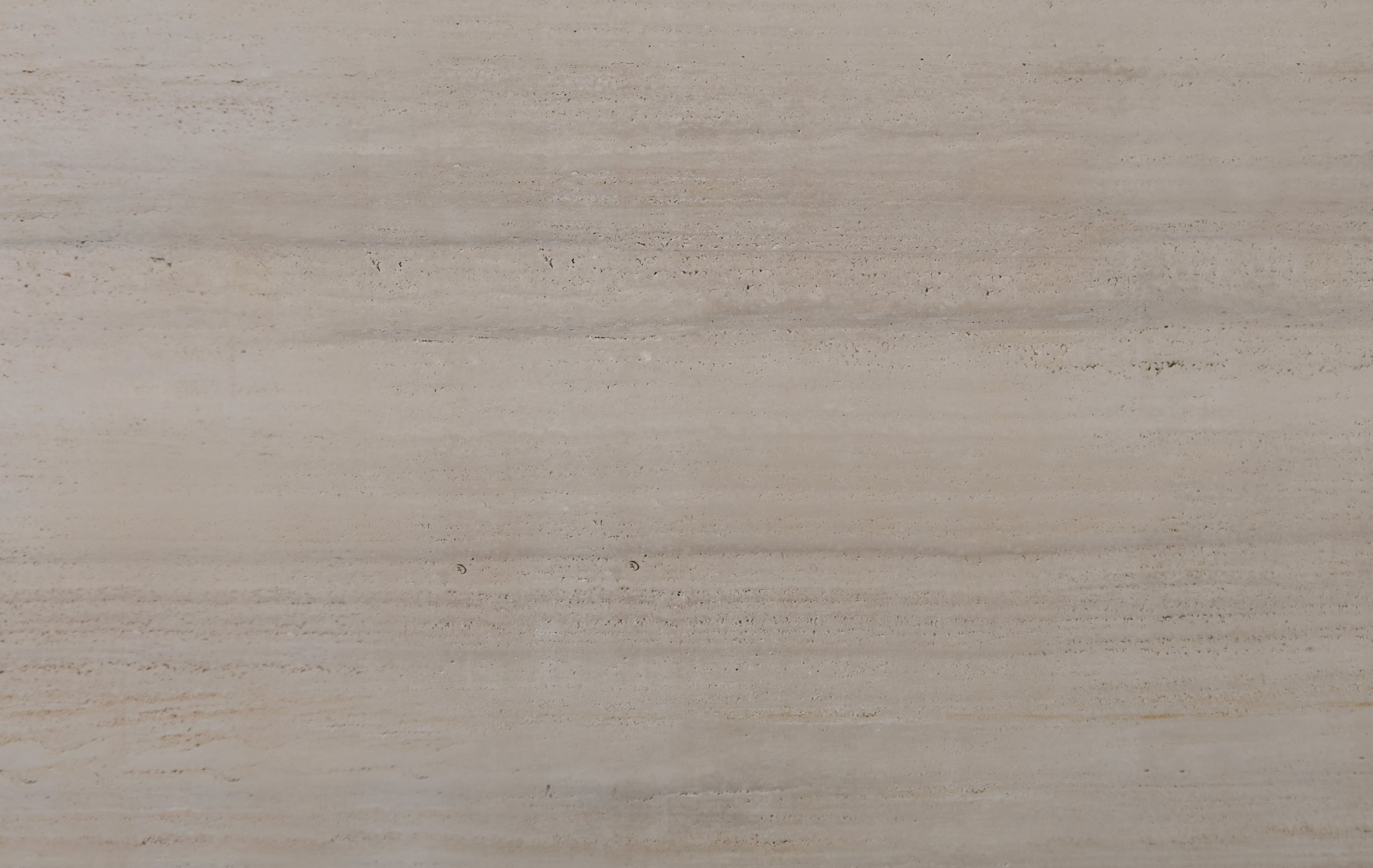
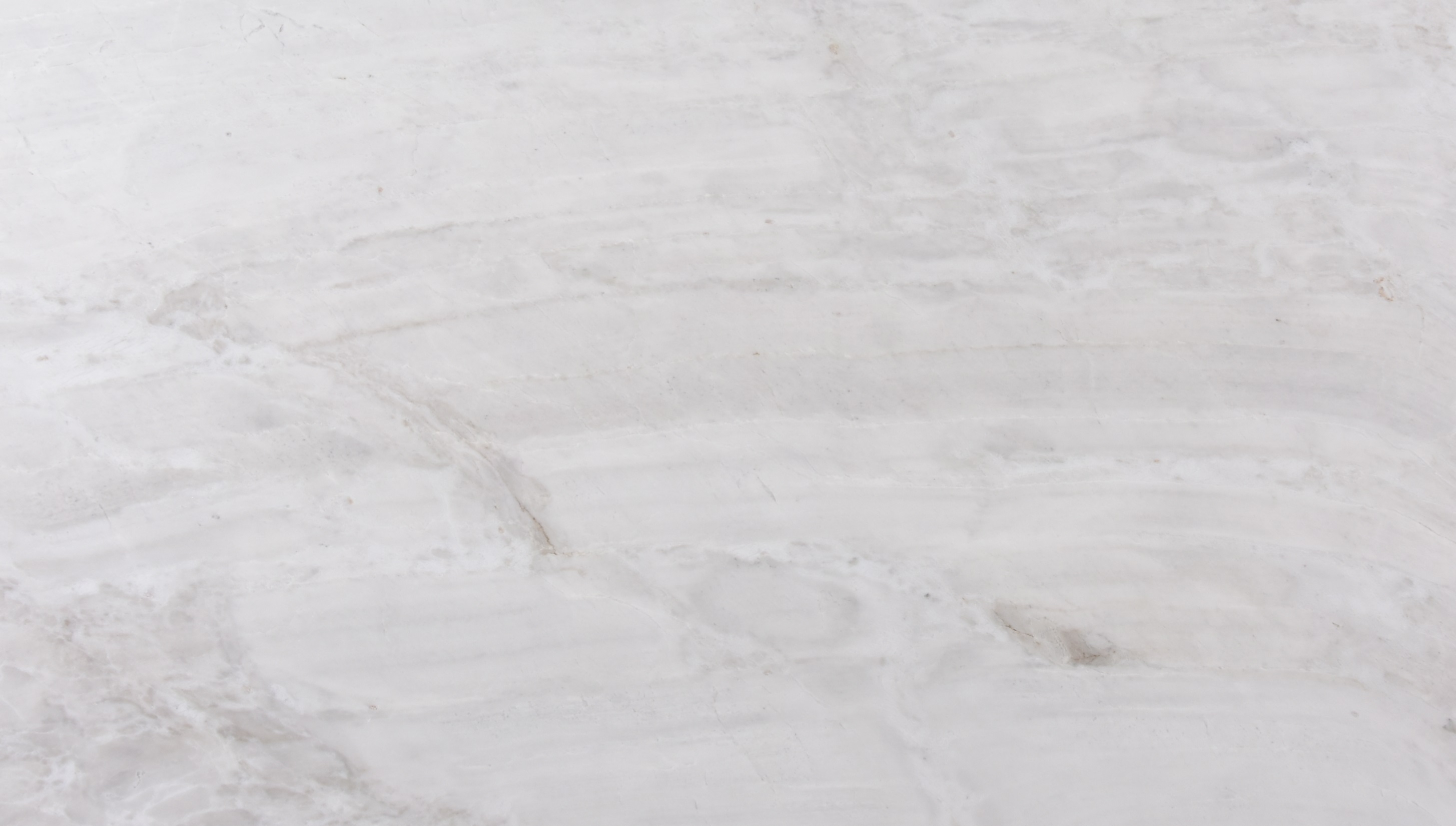
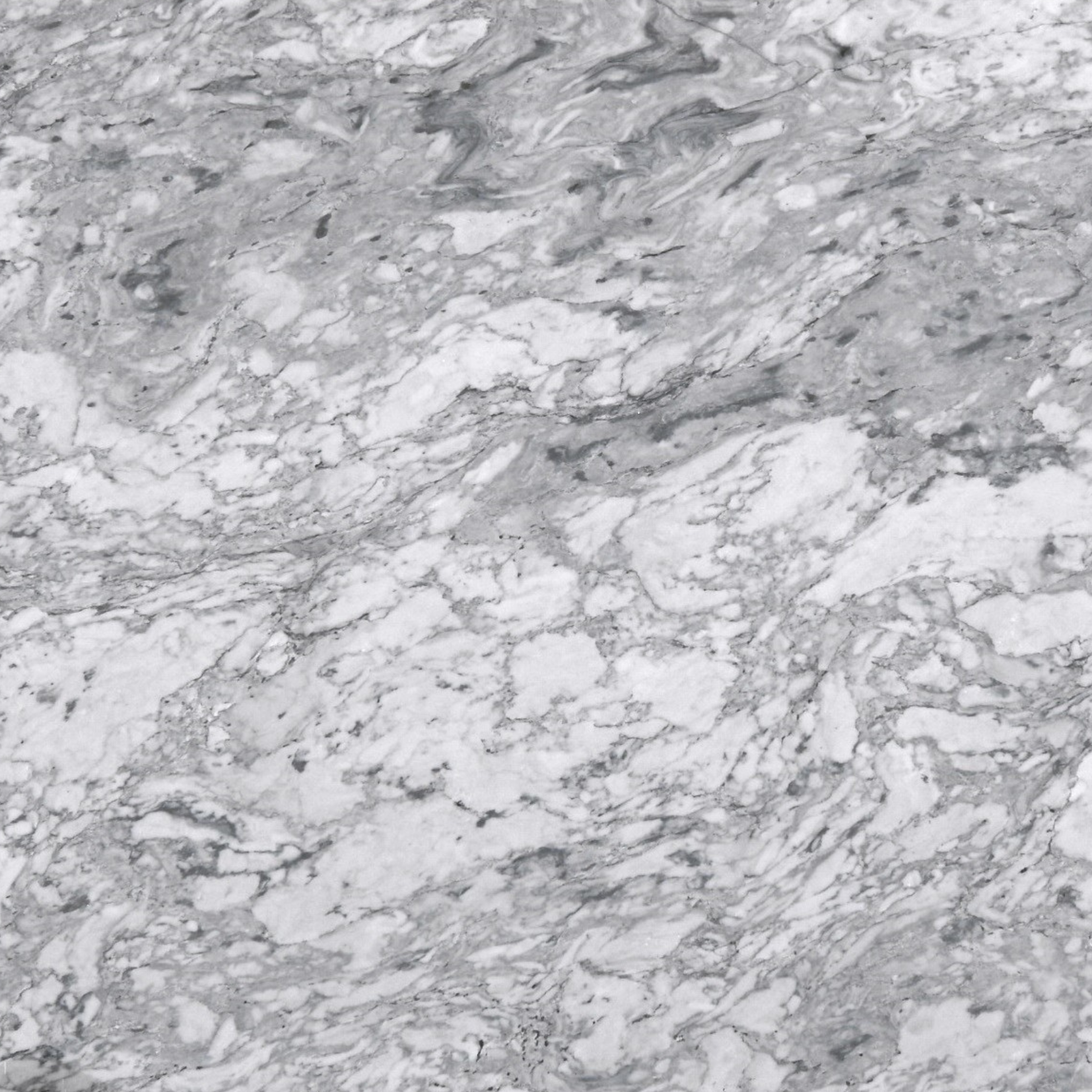
- Matarazzo
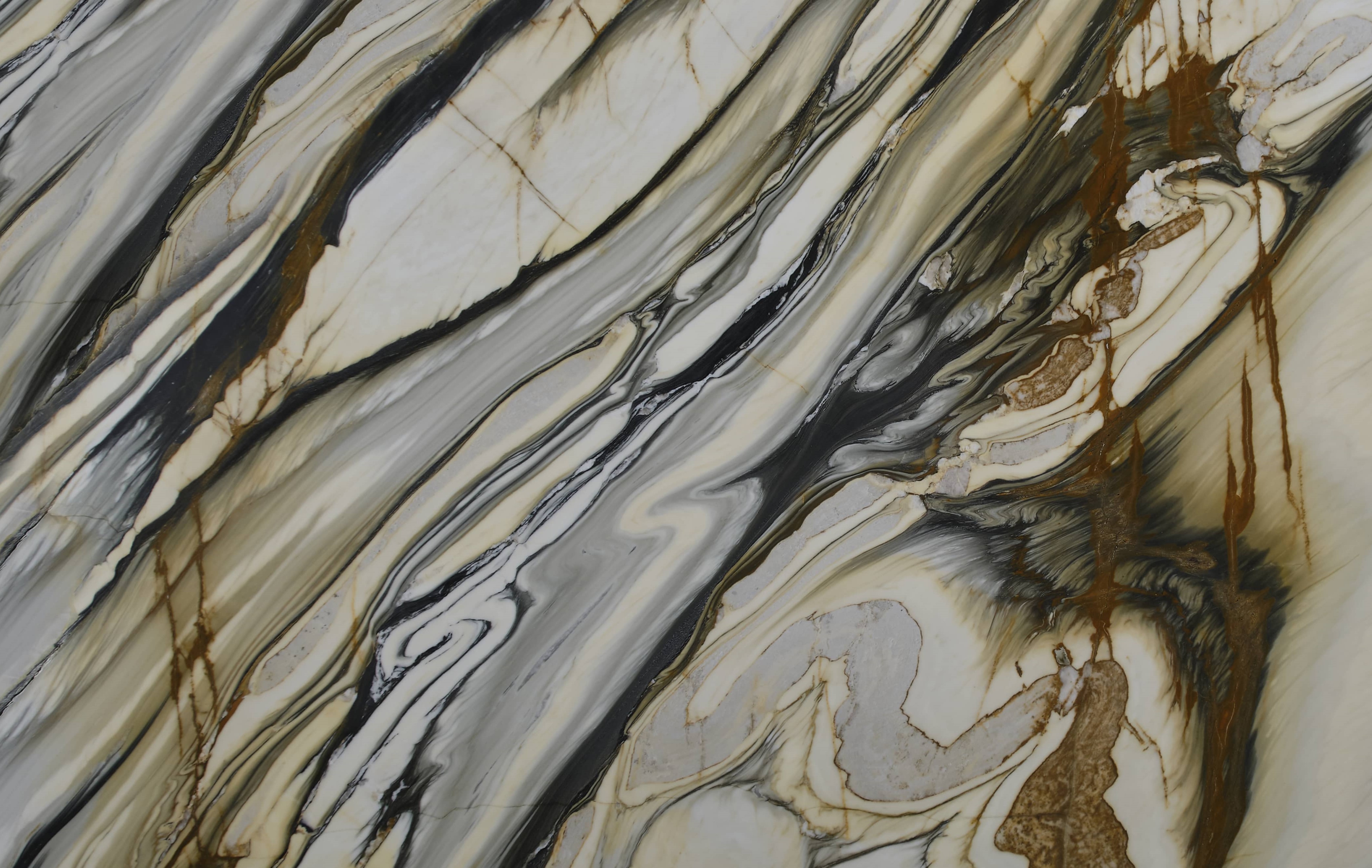
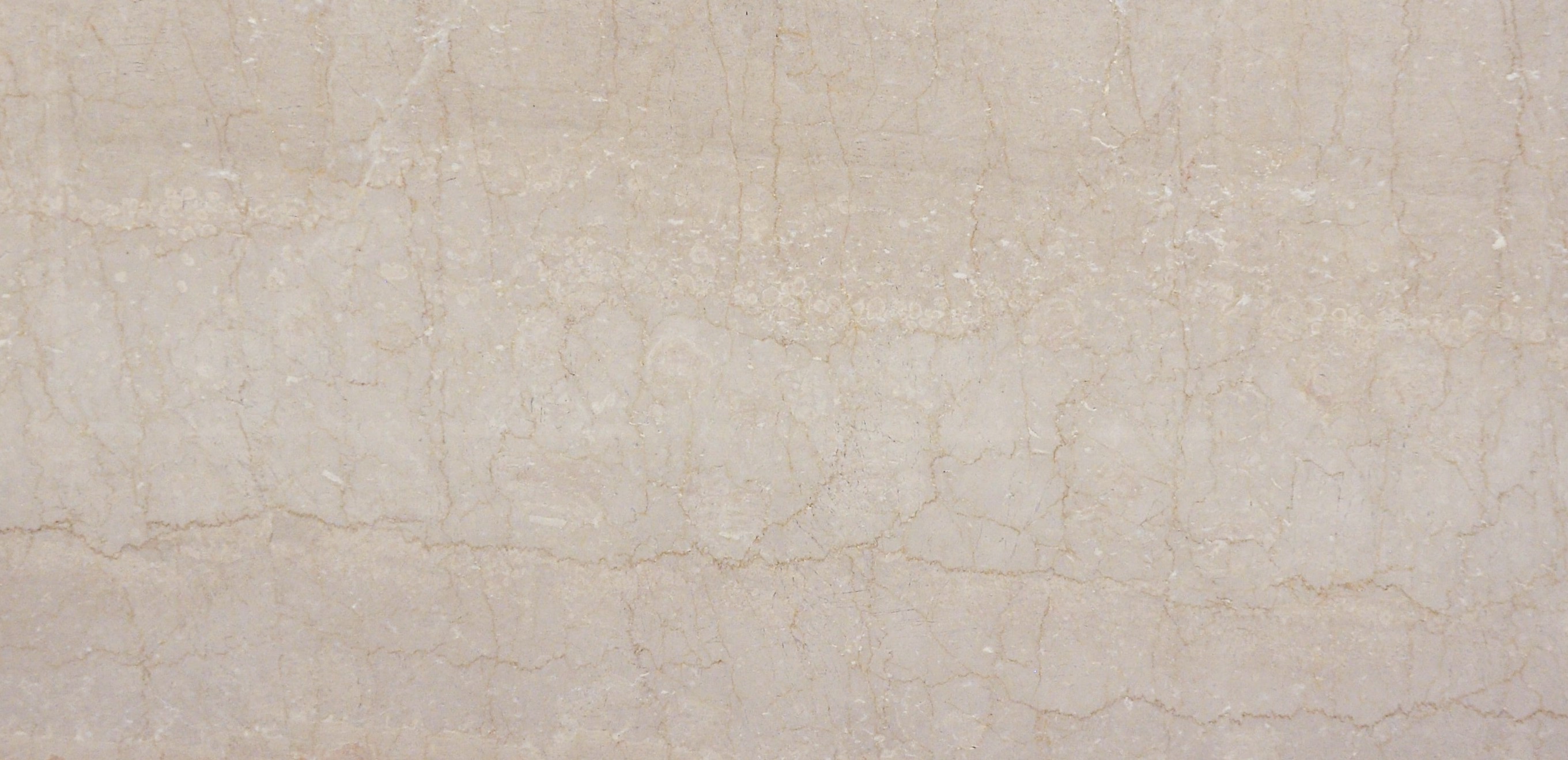
Matarazzo marble features a milky background with soft gray or beige veining, creating a rich yet discreet appearance. Its dolomitic texture gives it strong visual density, making it an excellent choice for projects that call for elegance without excess. - Carrara
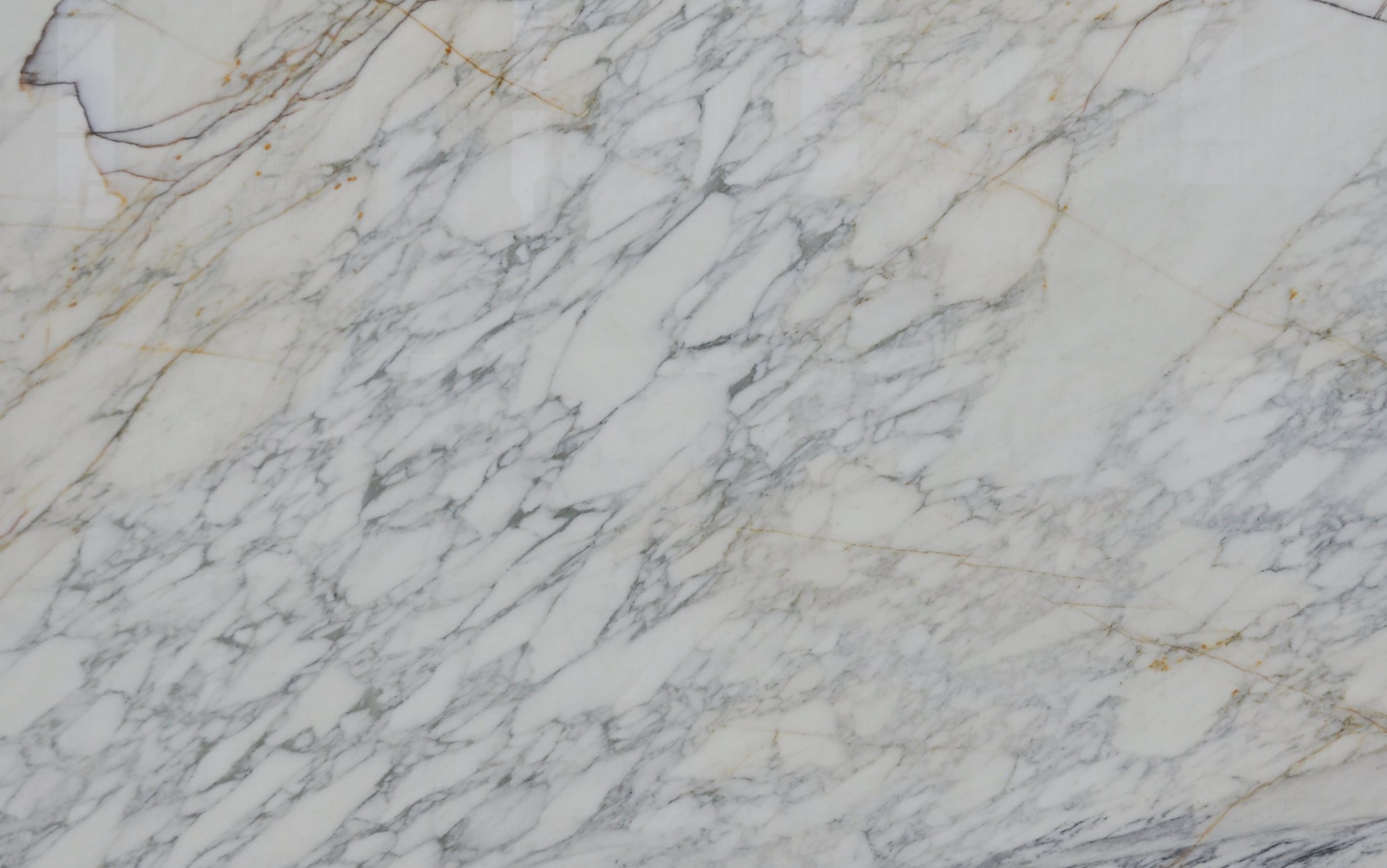
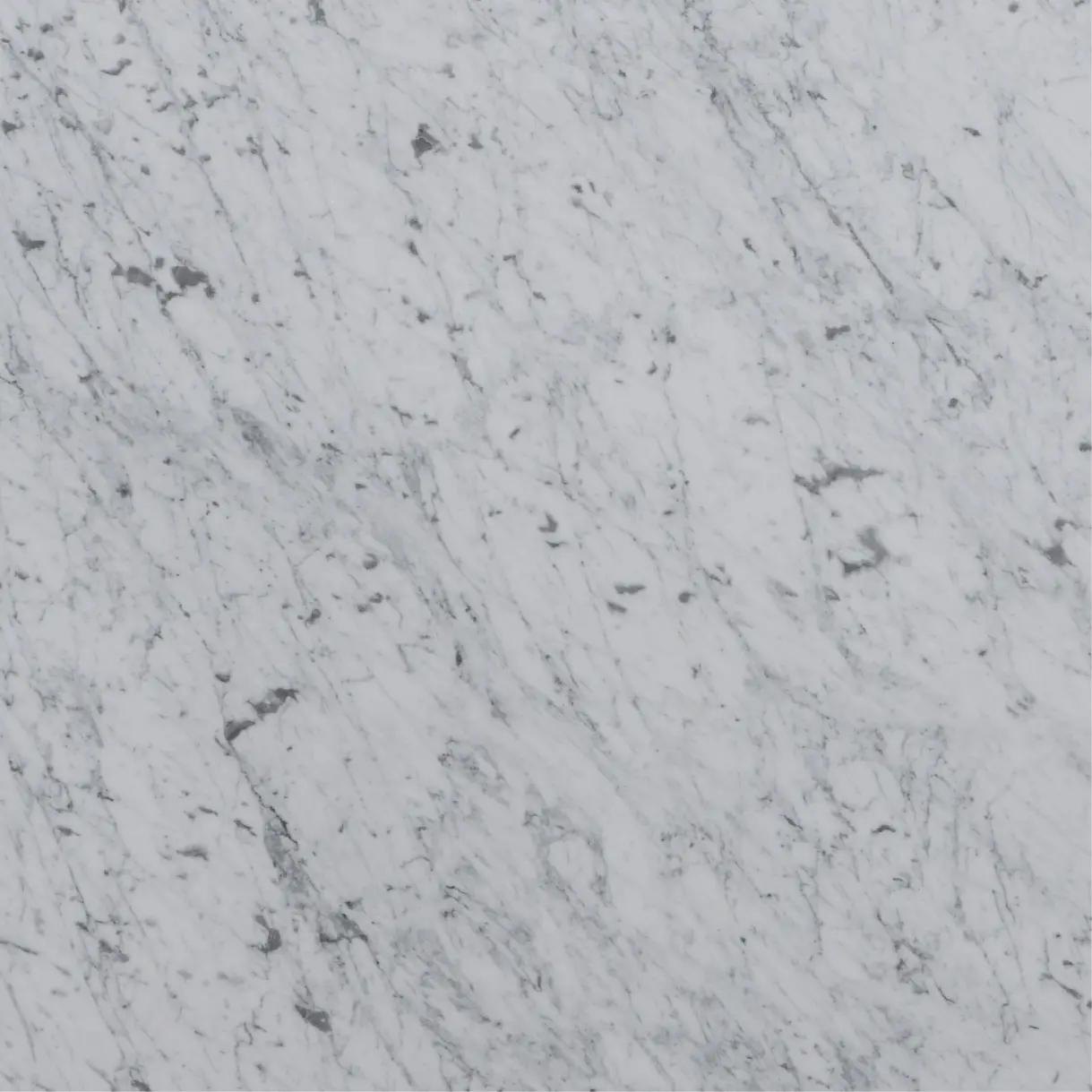
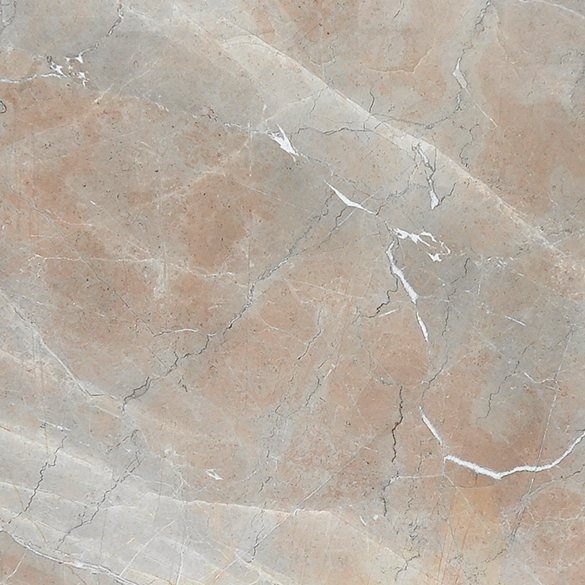
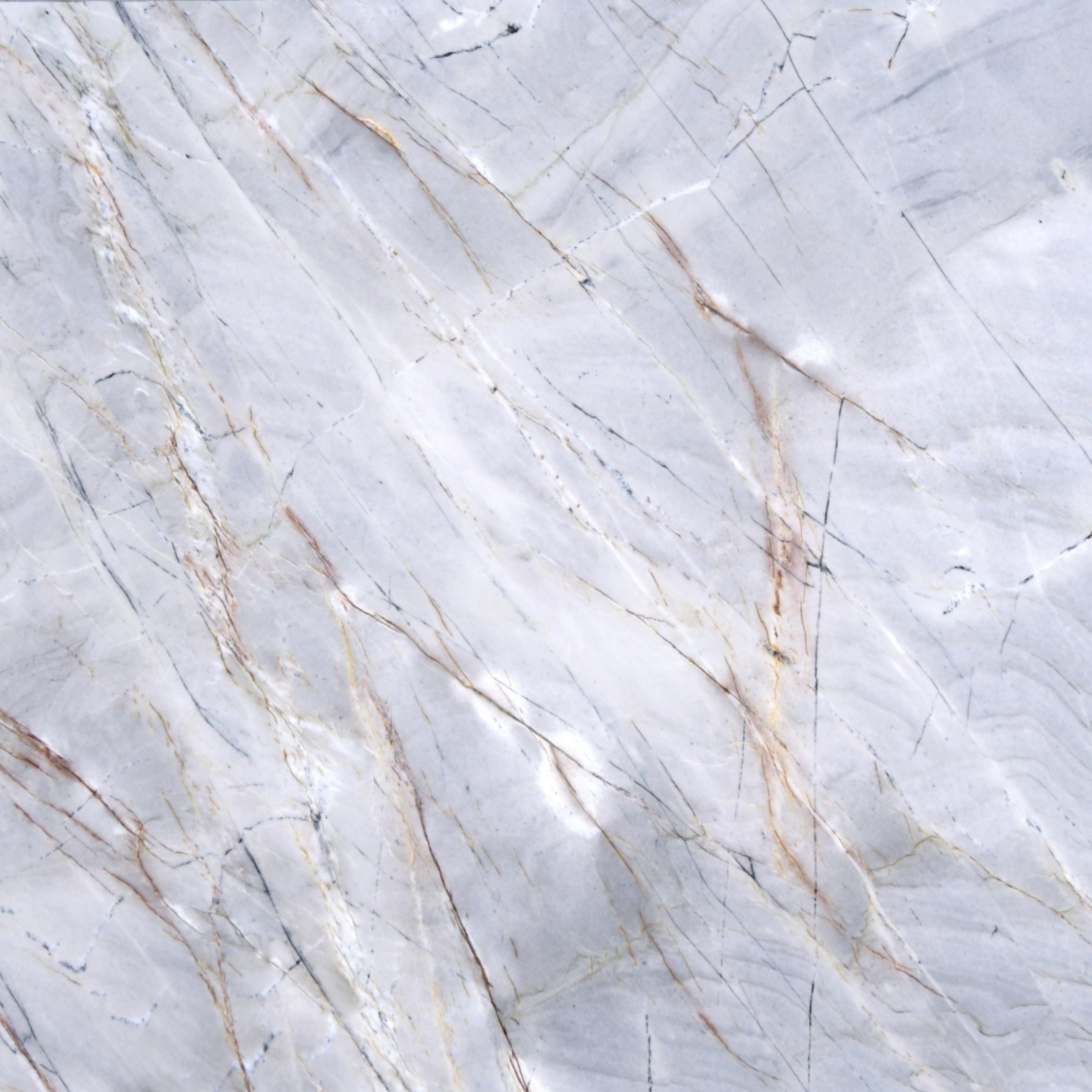
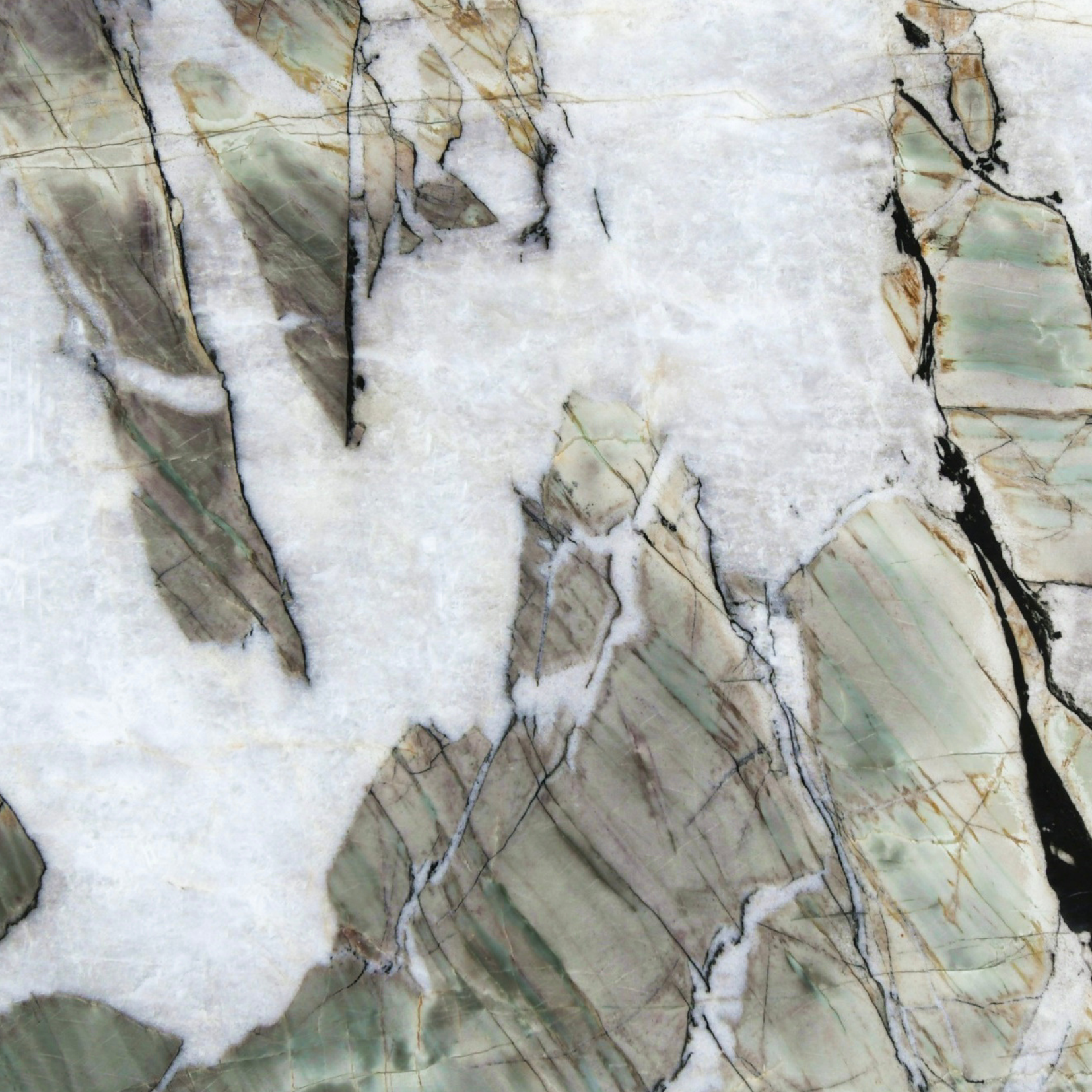
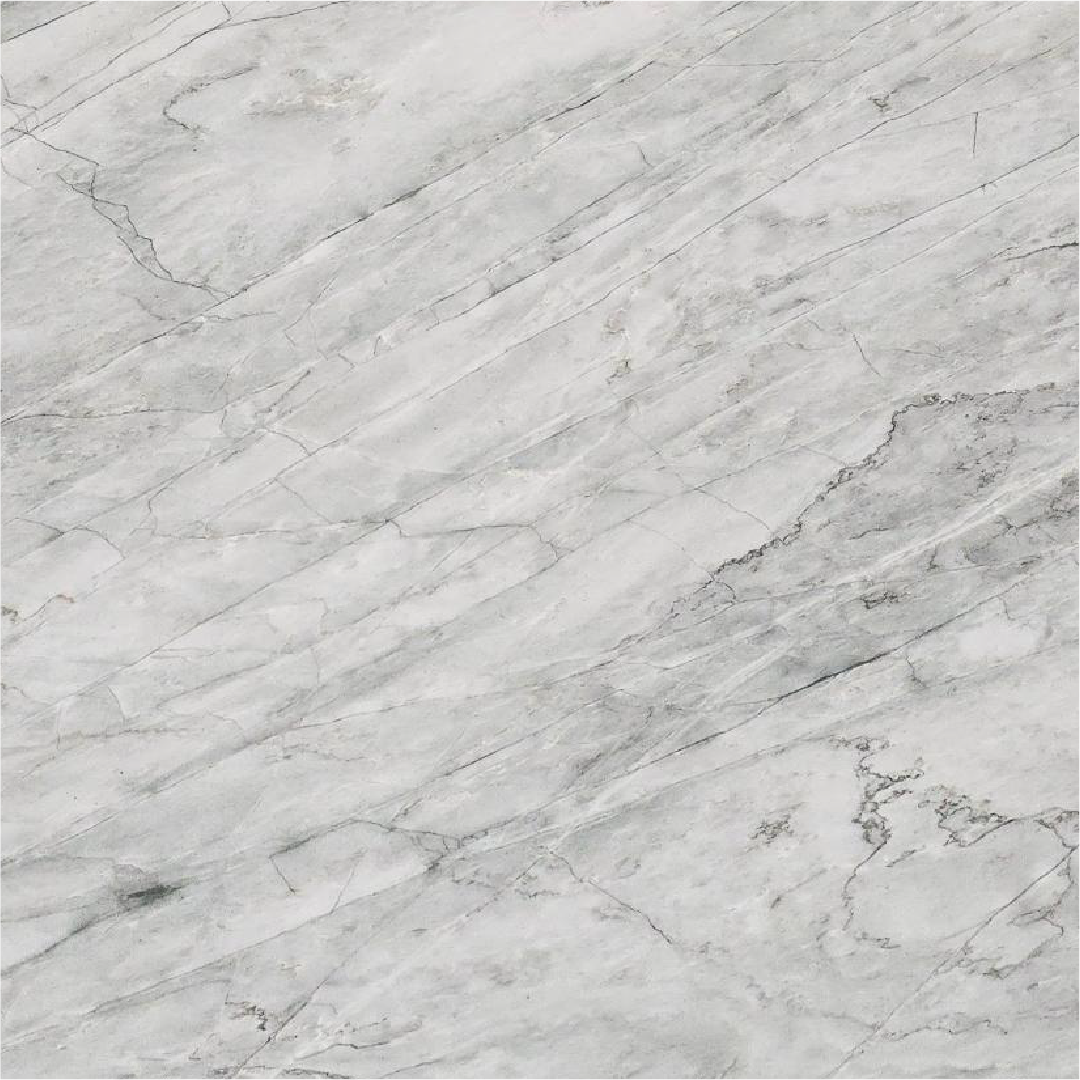
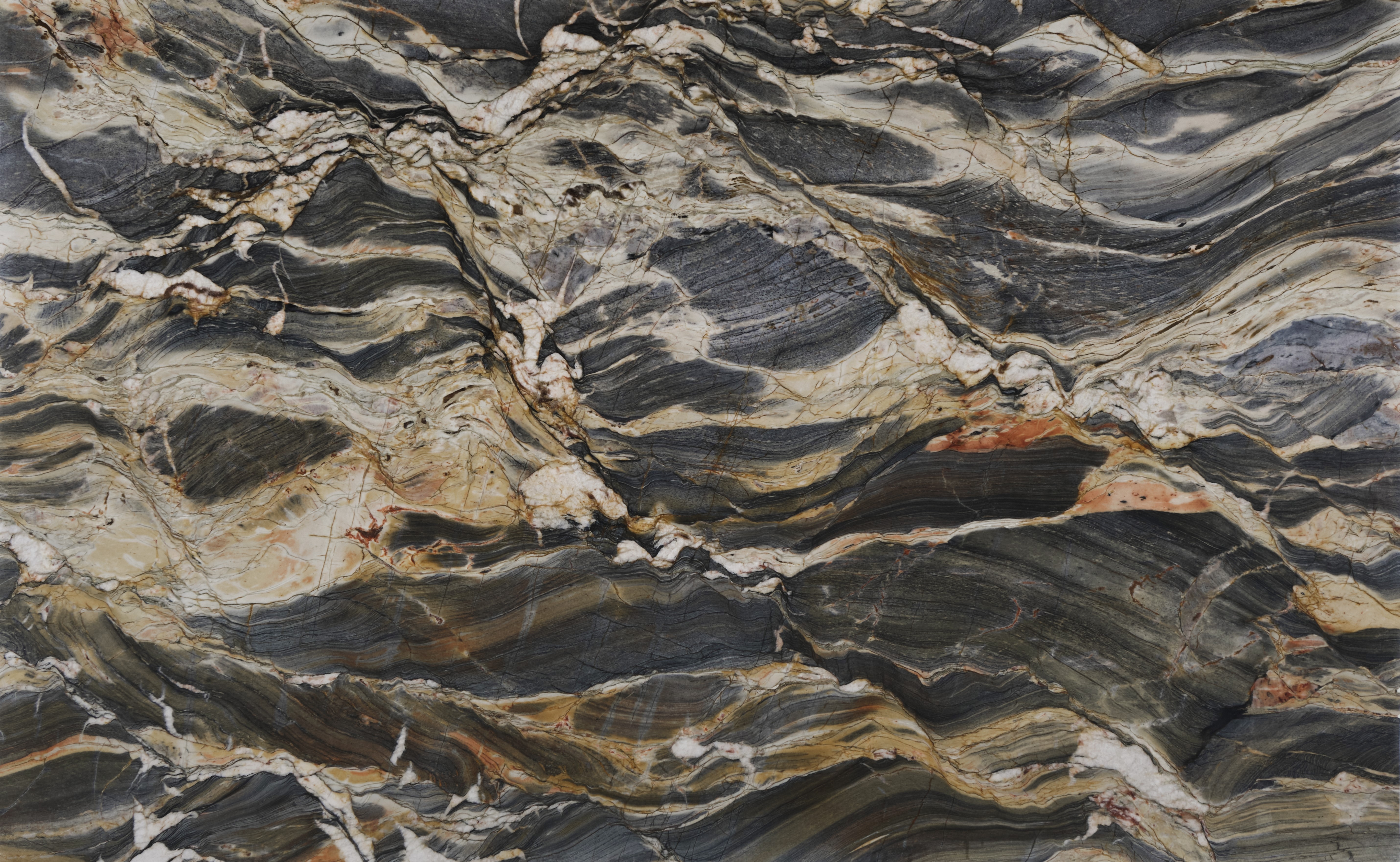
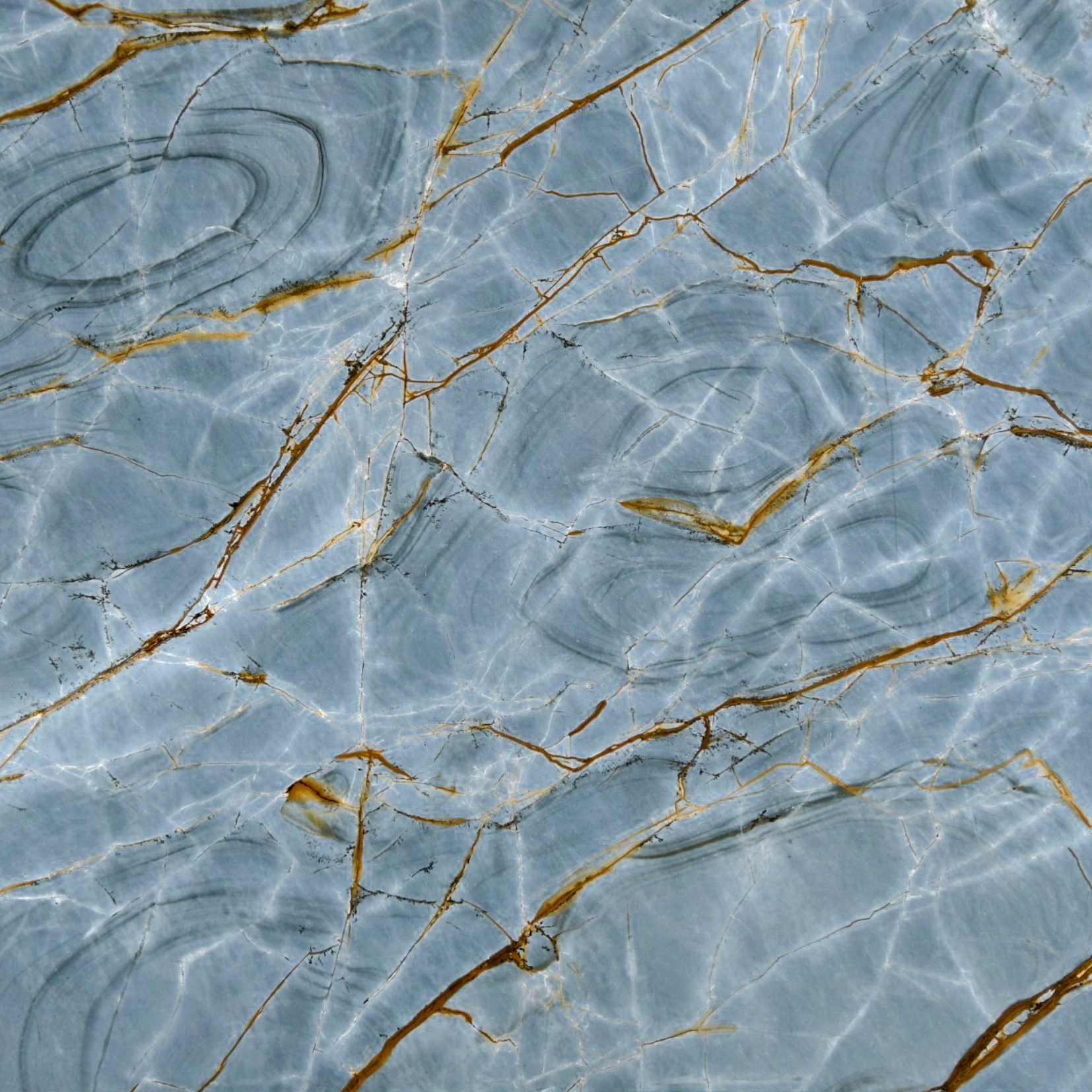
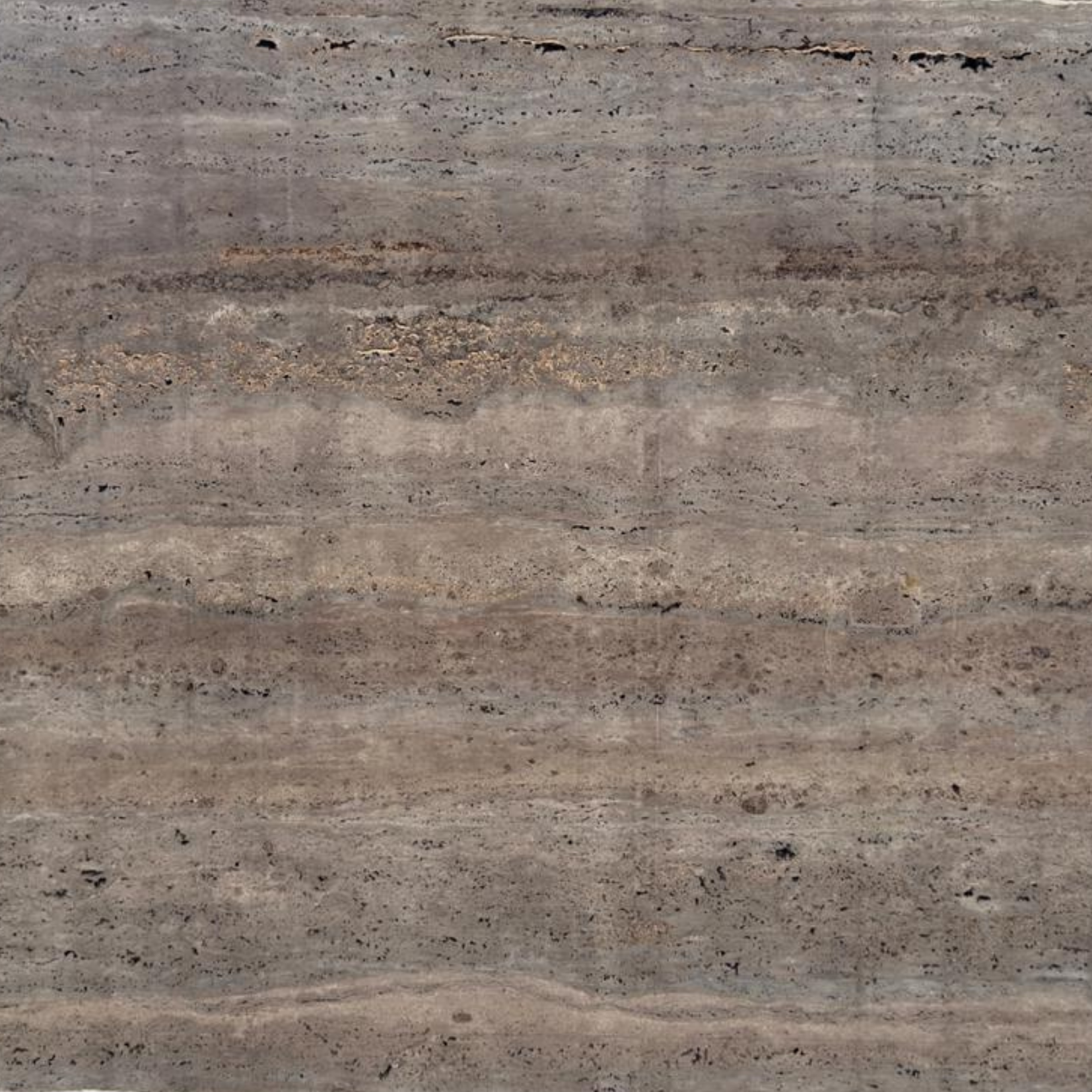
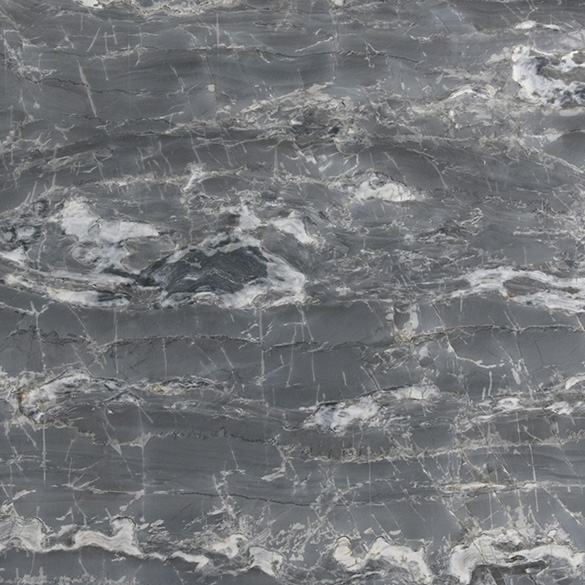
A classic from Tuscany, Carrara marble is recognized by its white-gray background combined with fine blue veins. It’s ideal for those seeking a white marble with historical presence and subtle charm, perfect for bathrooms or refined wall cladding. - Calacata Antico
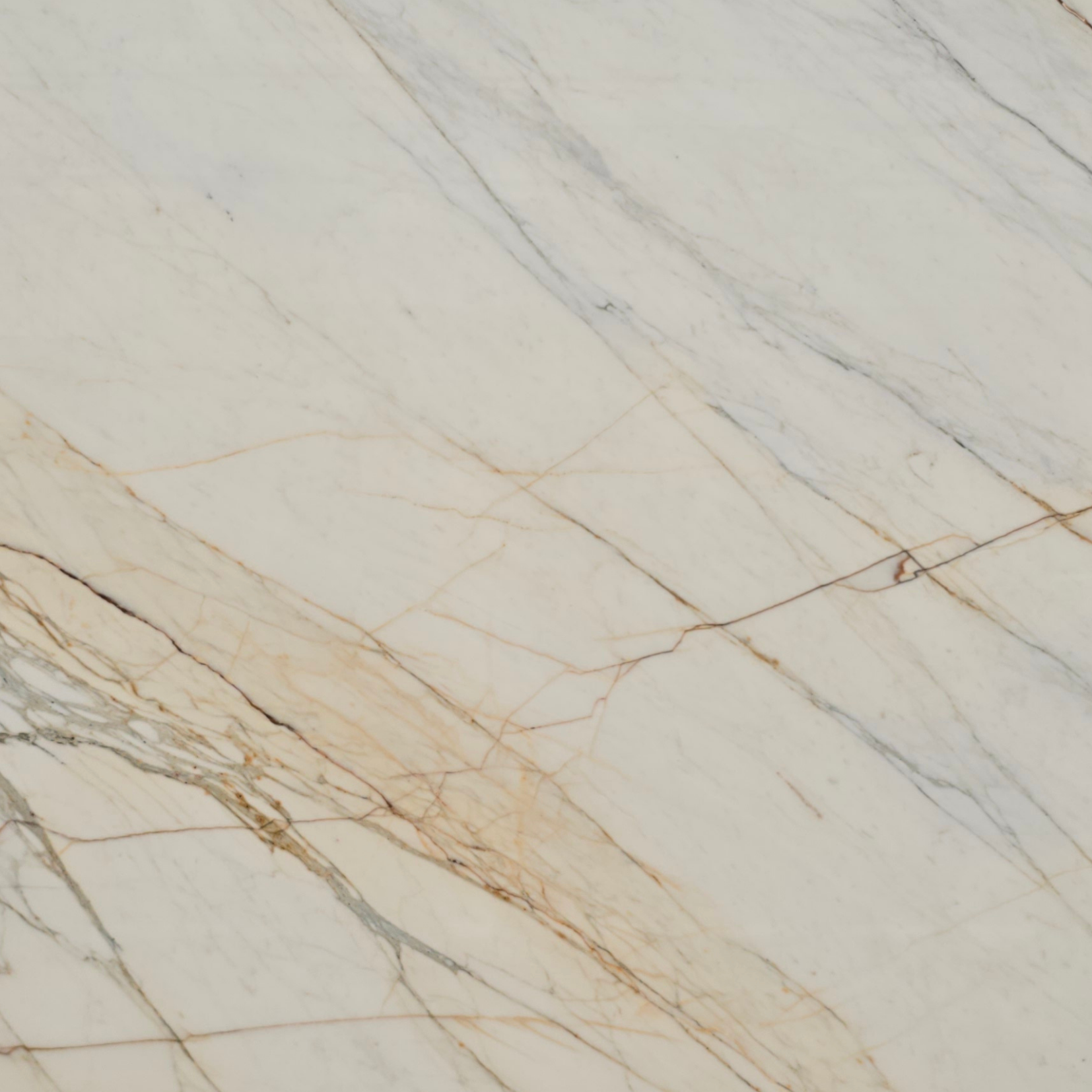
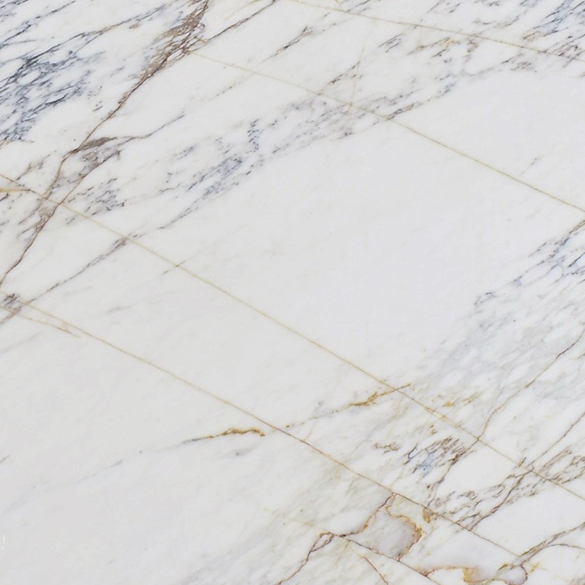
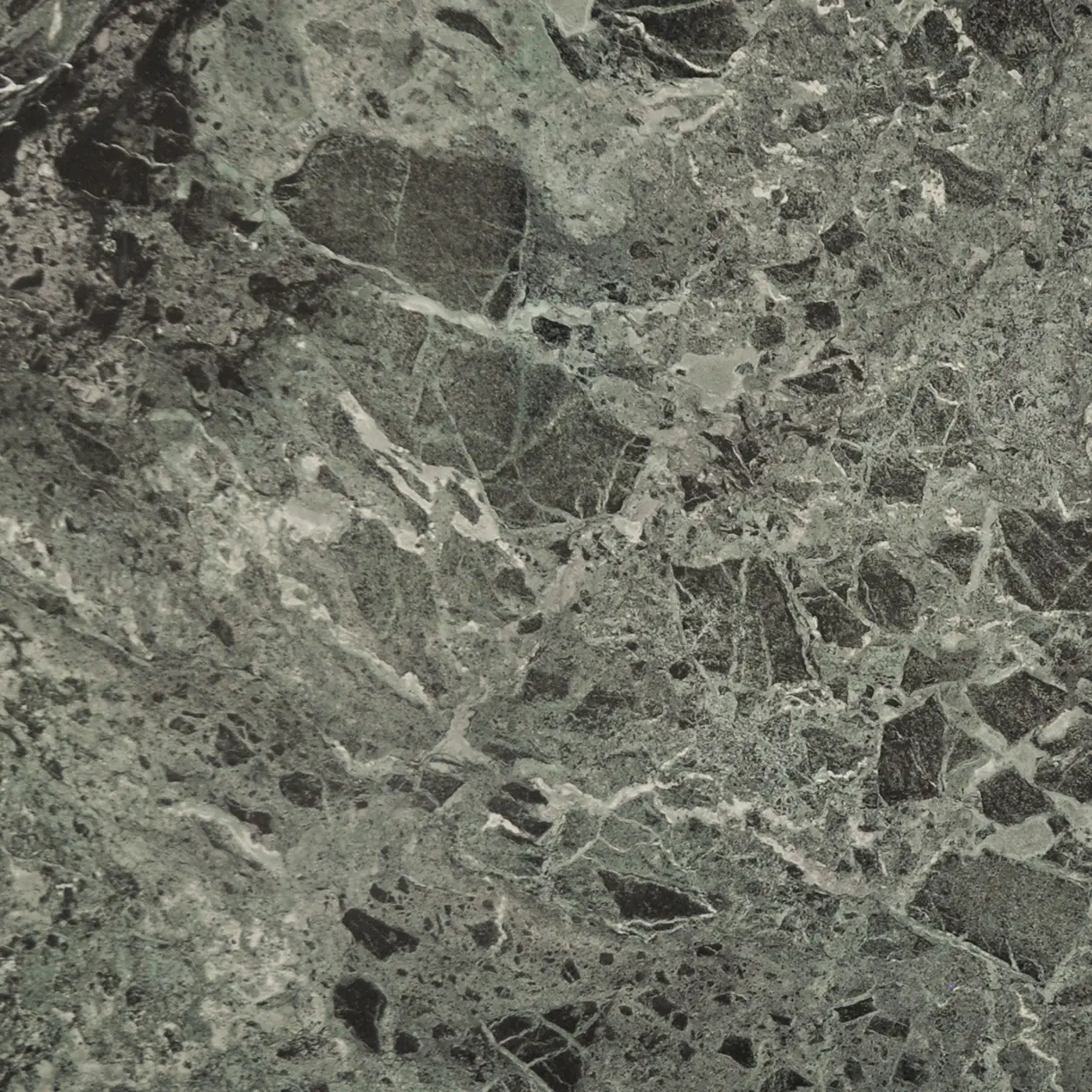
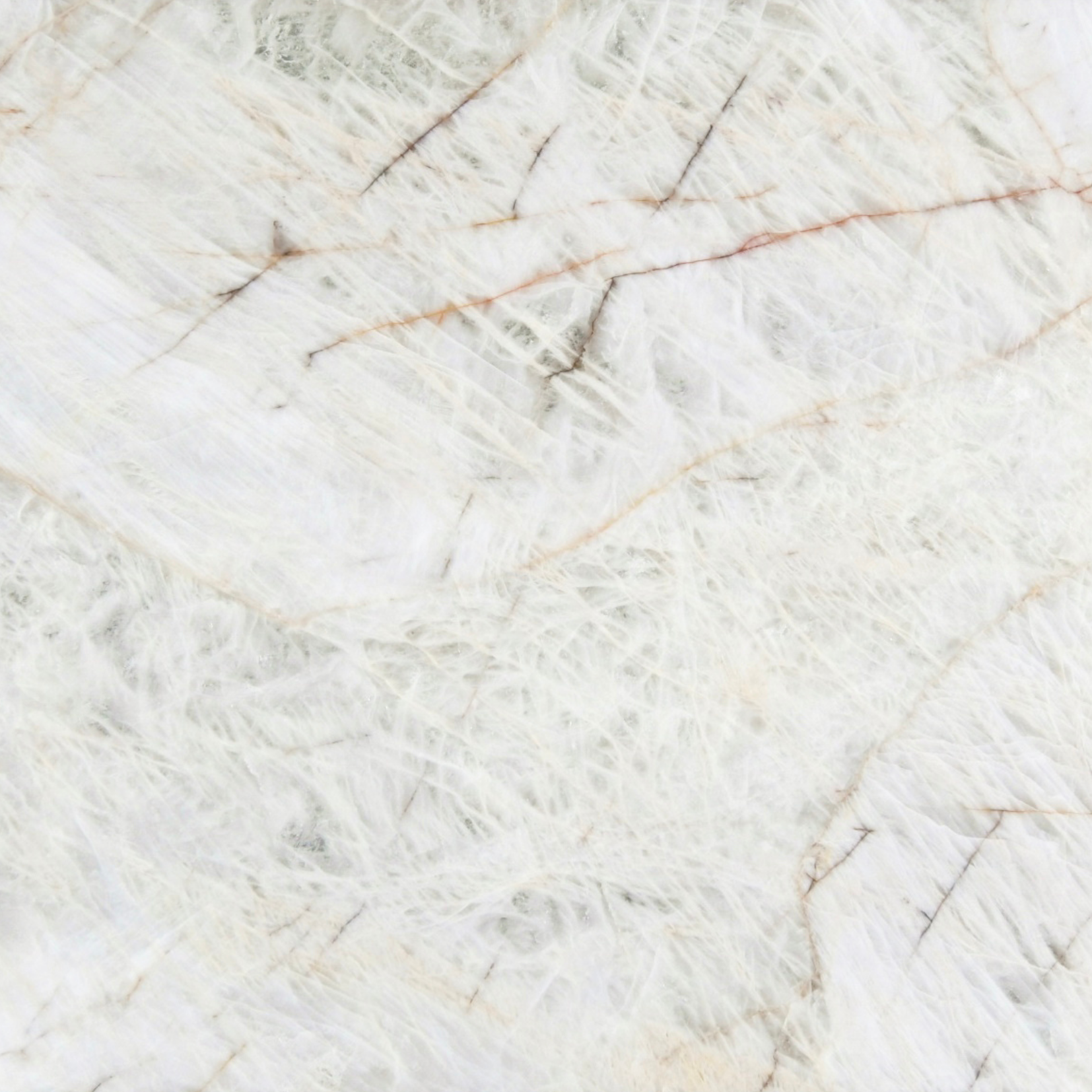
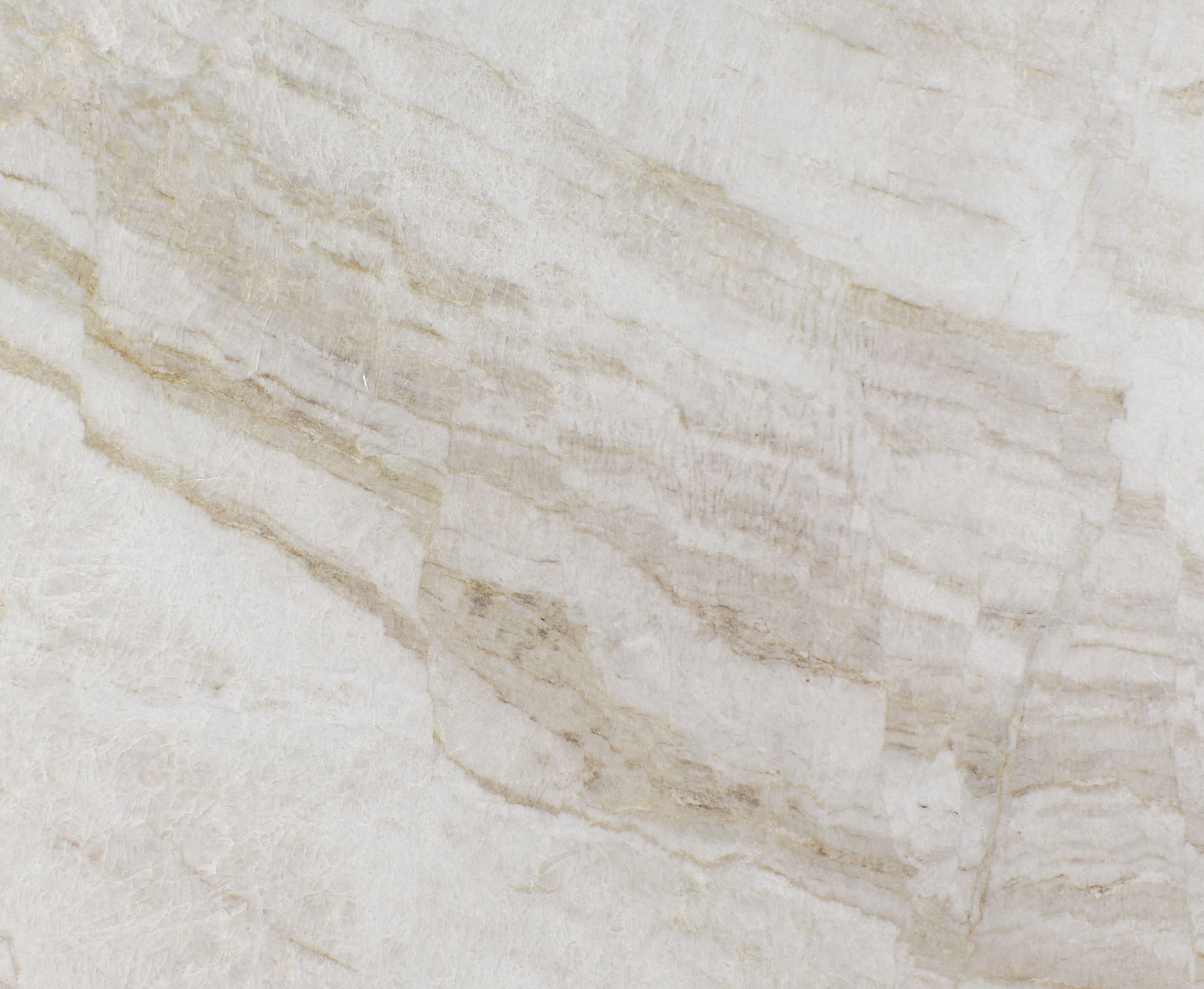
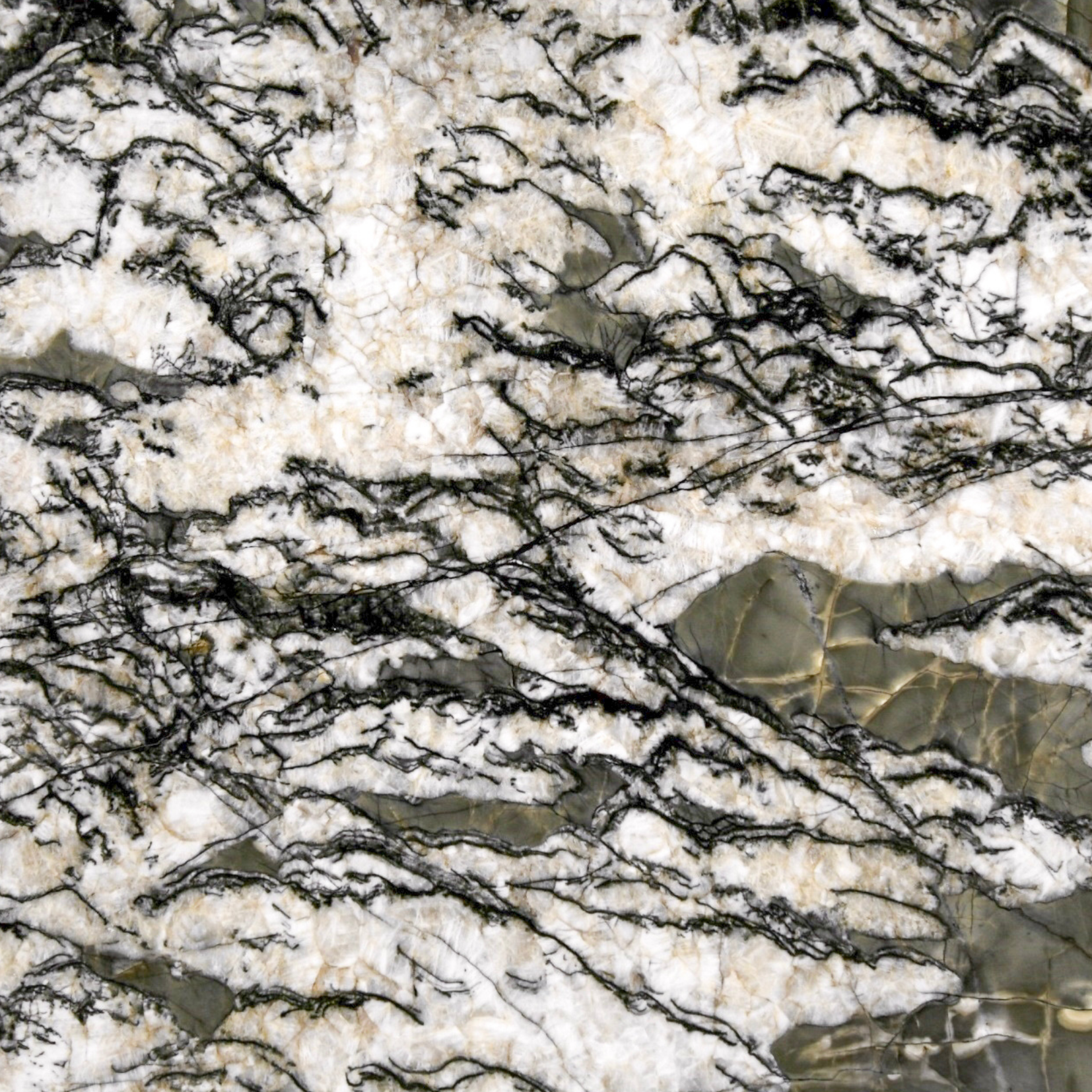
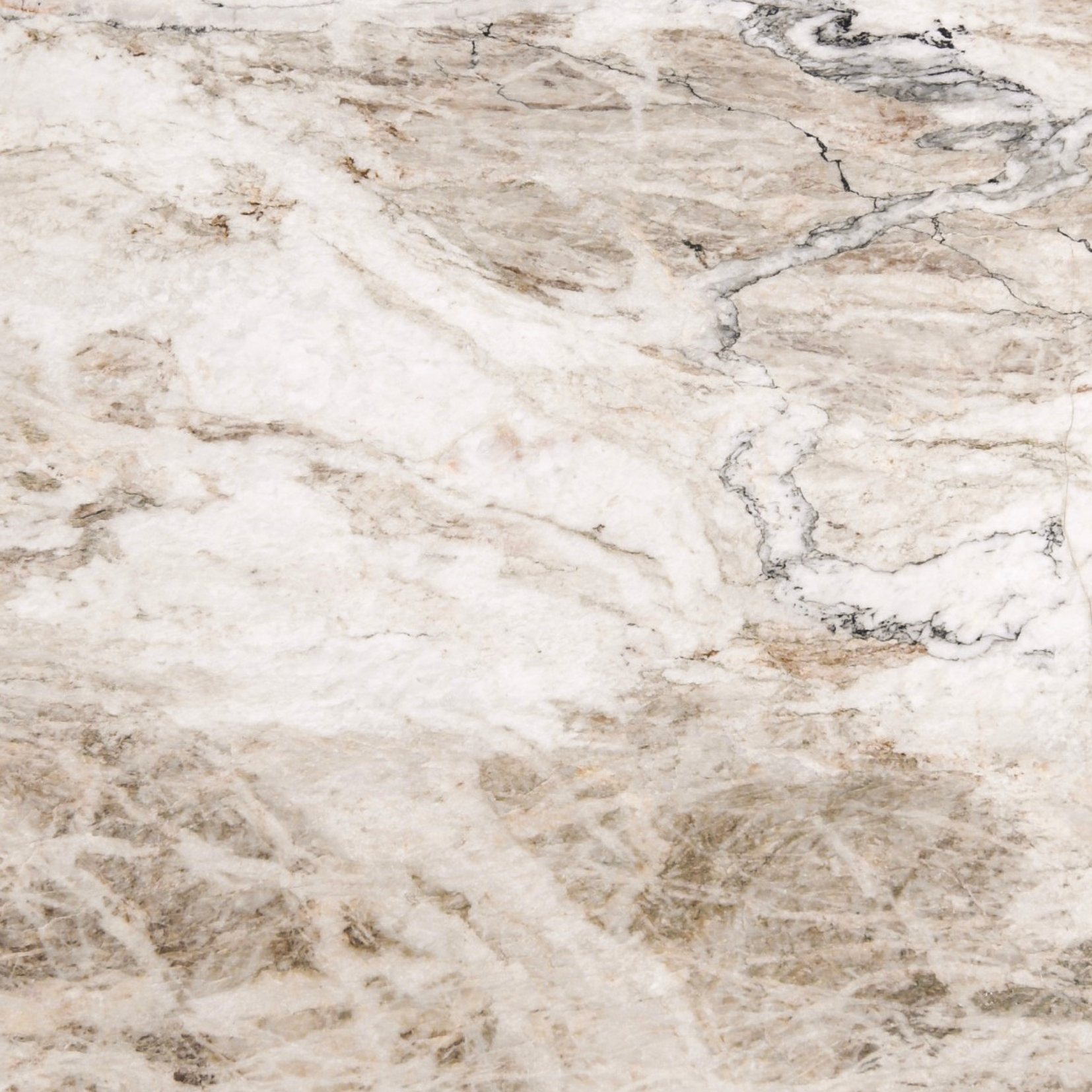
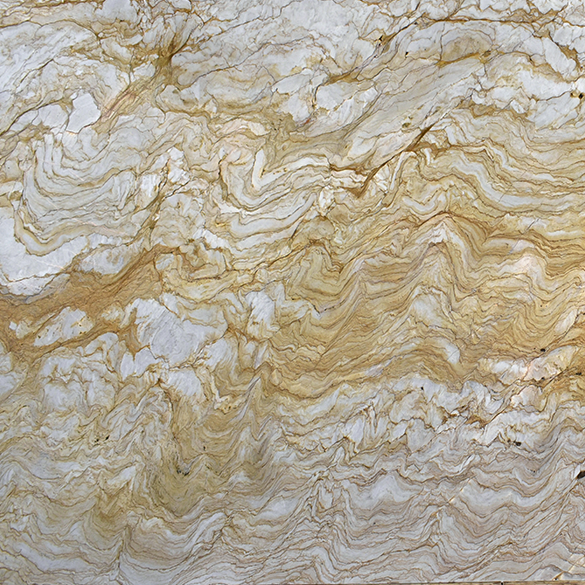
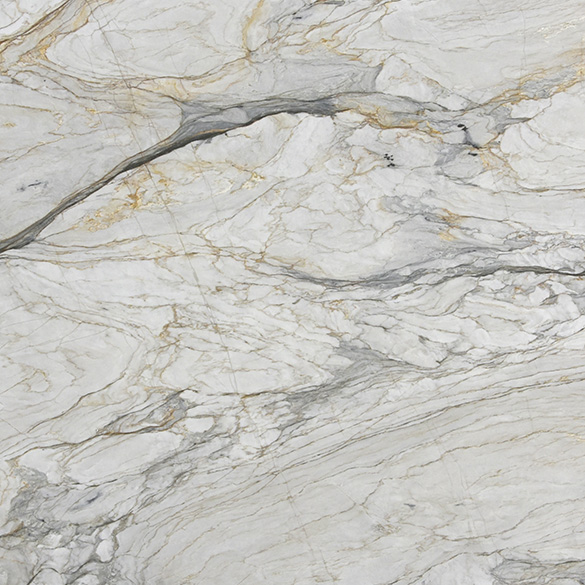
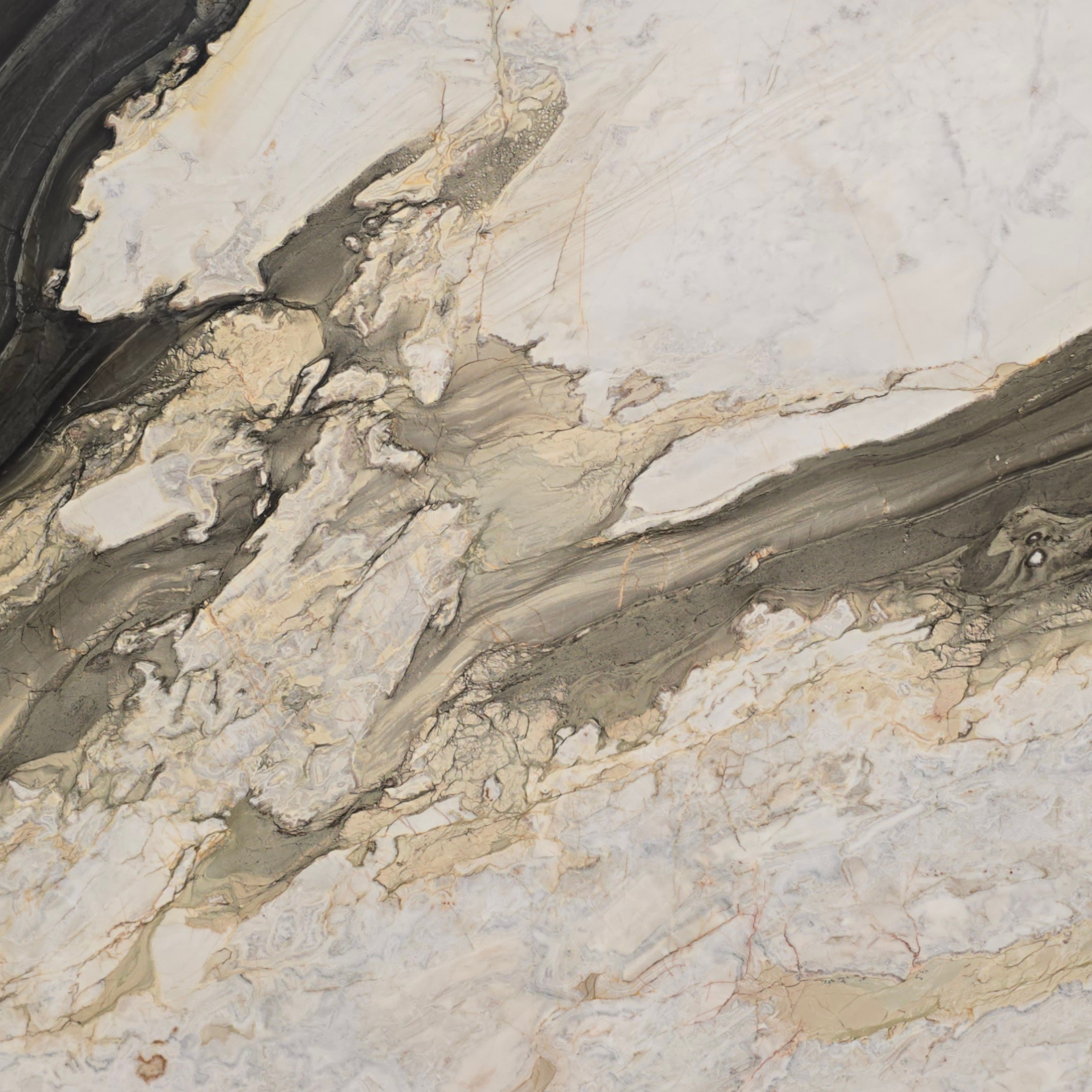
This type of white marble stands out for its bold veining and long, contrasting lines. It pairs beautifully with cream, ivory, and beige, making it perfect for feature applications where marble should be the main highlight. - Aurora White
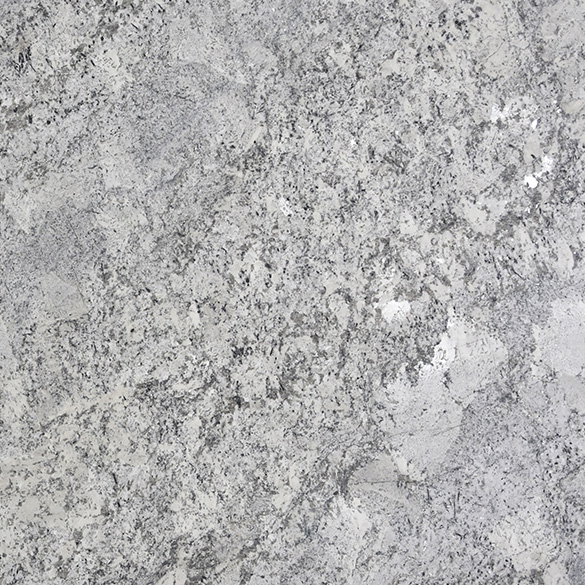
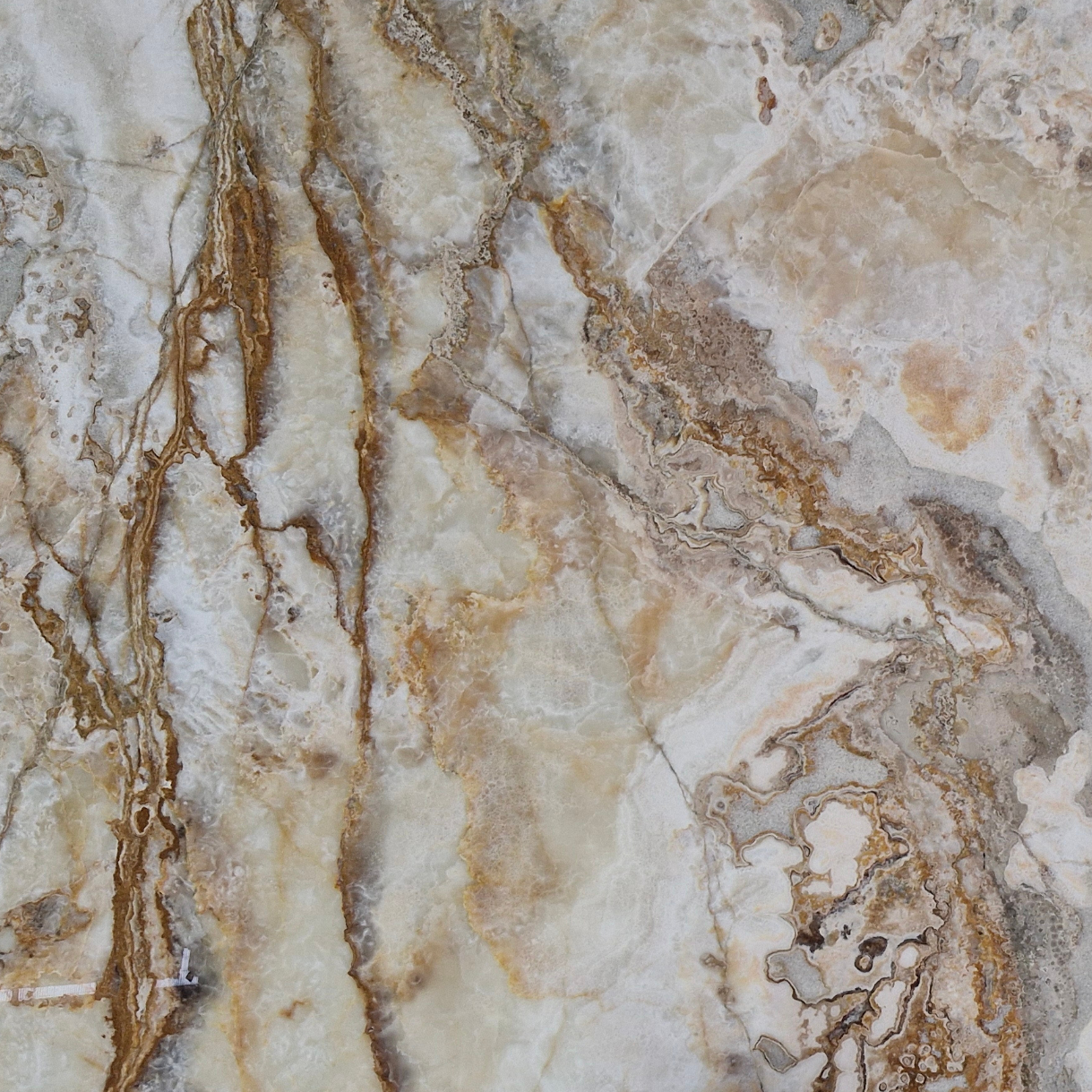
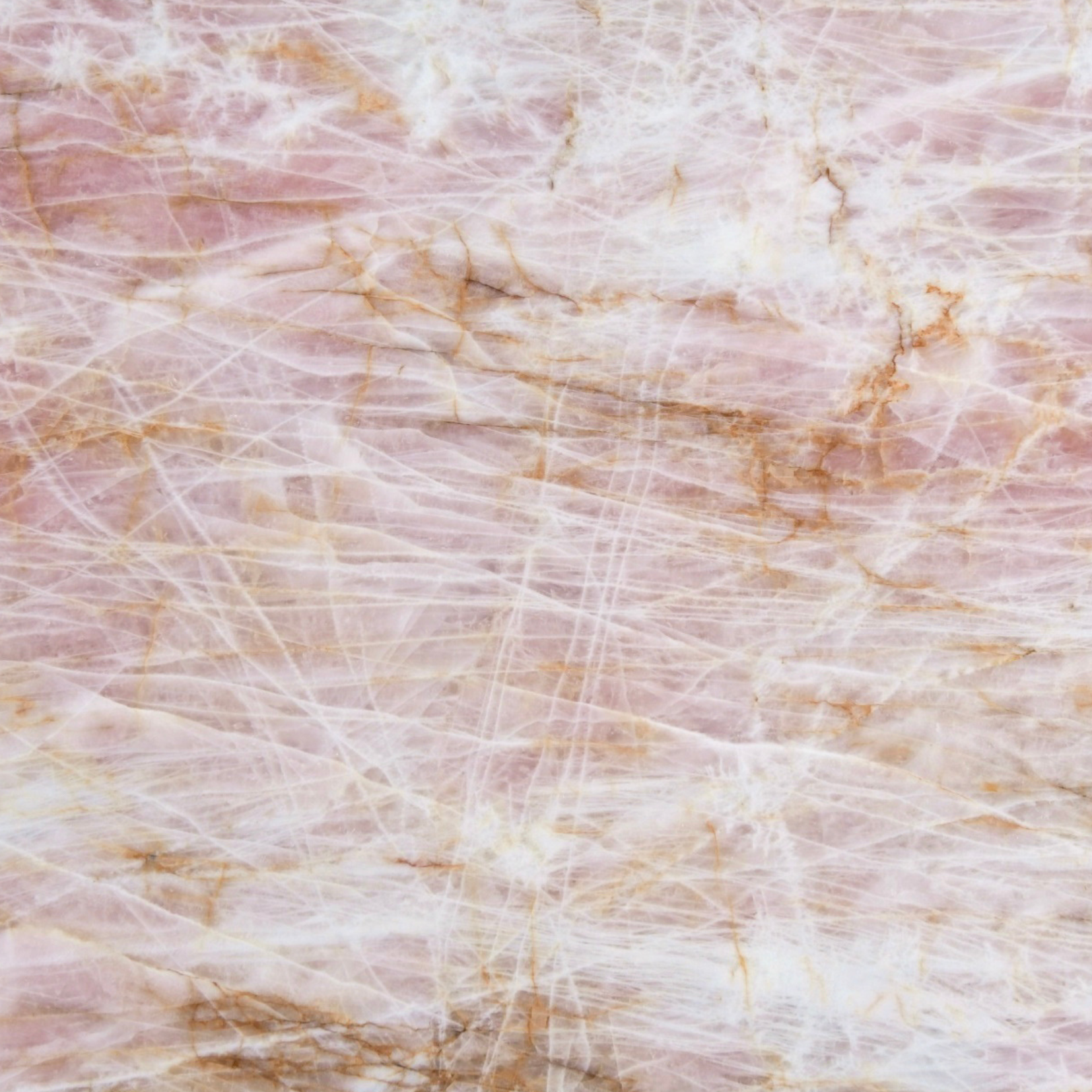
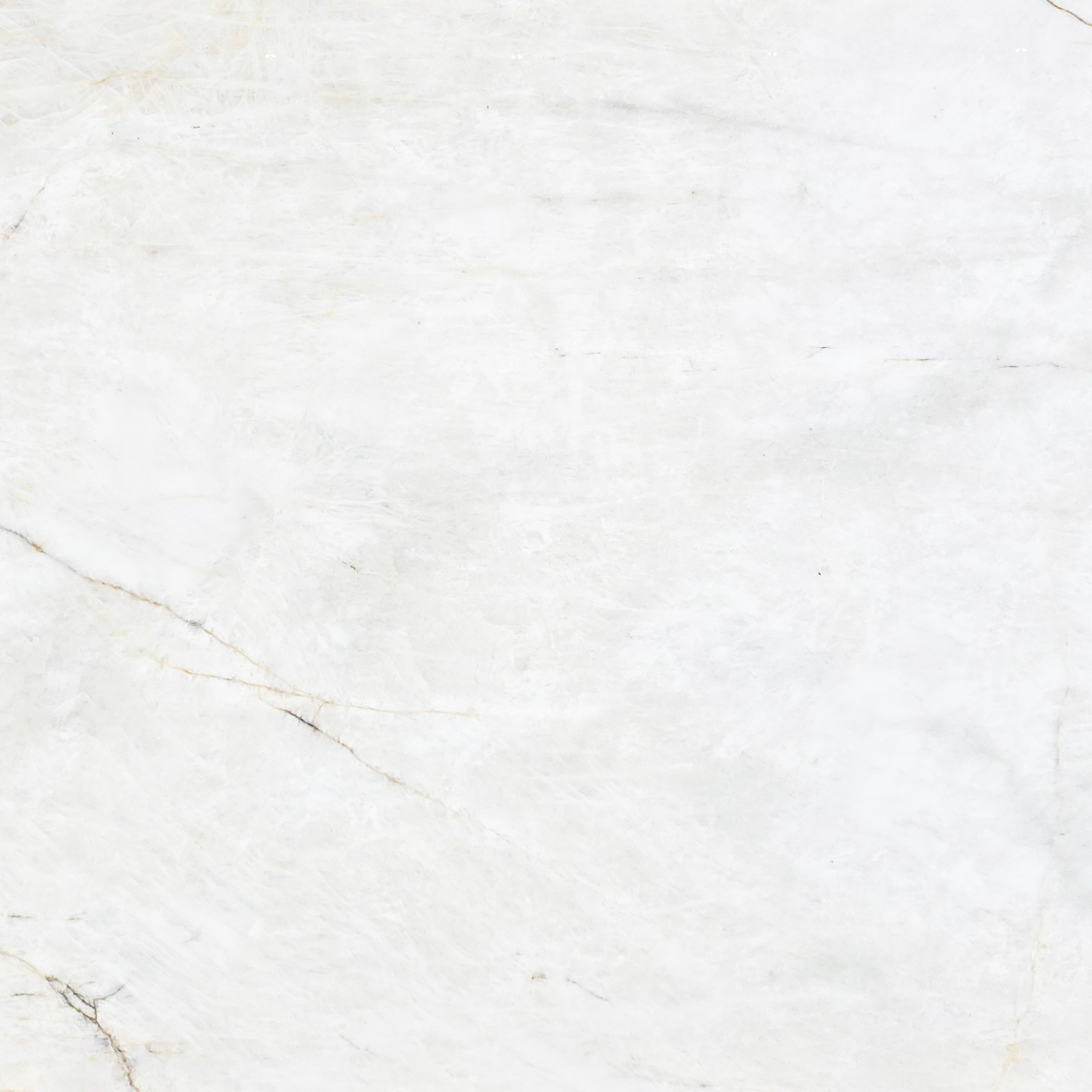
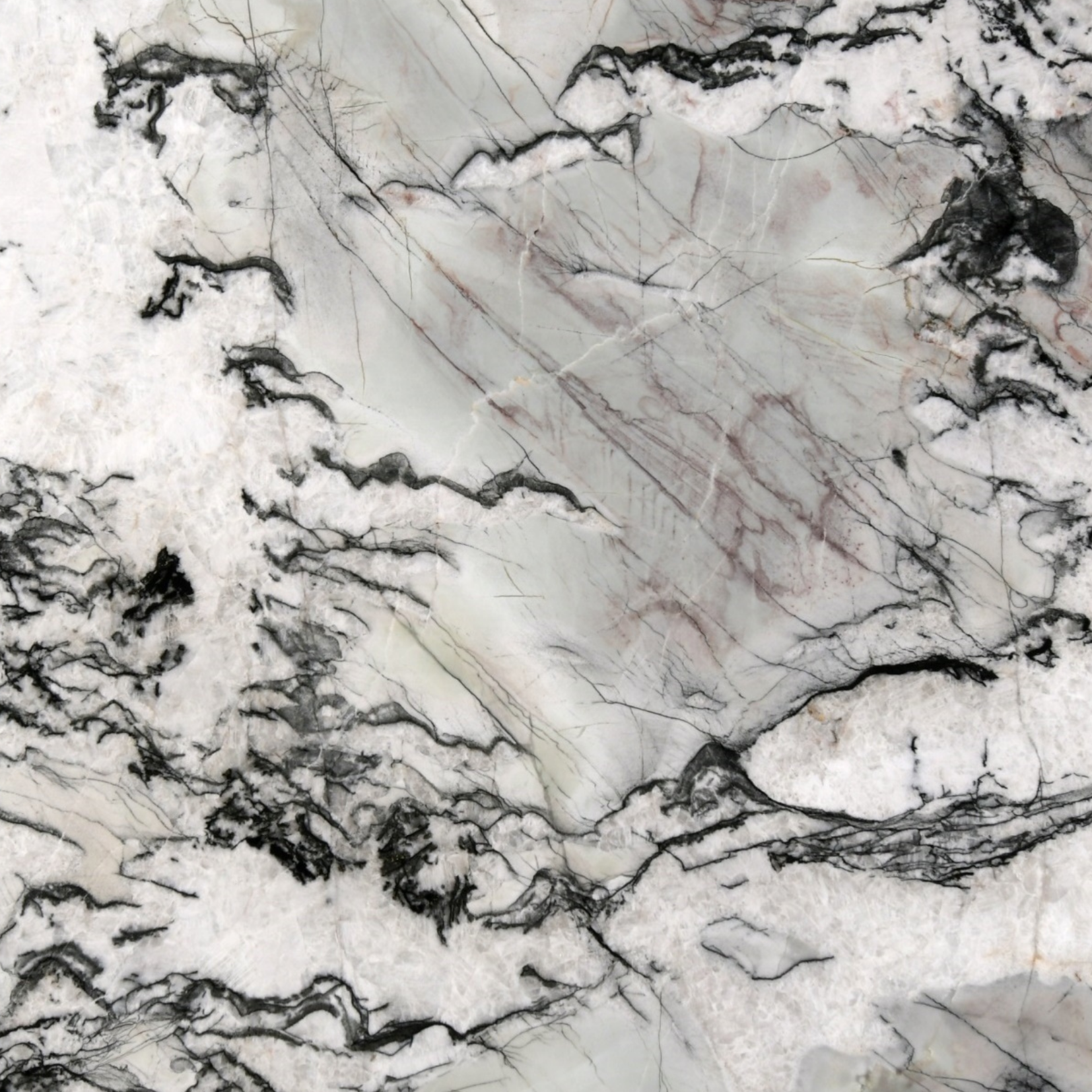
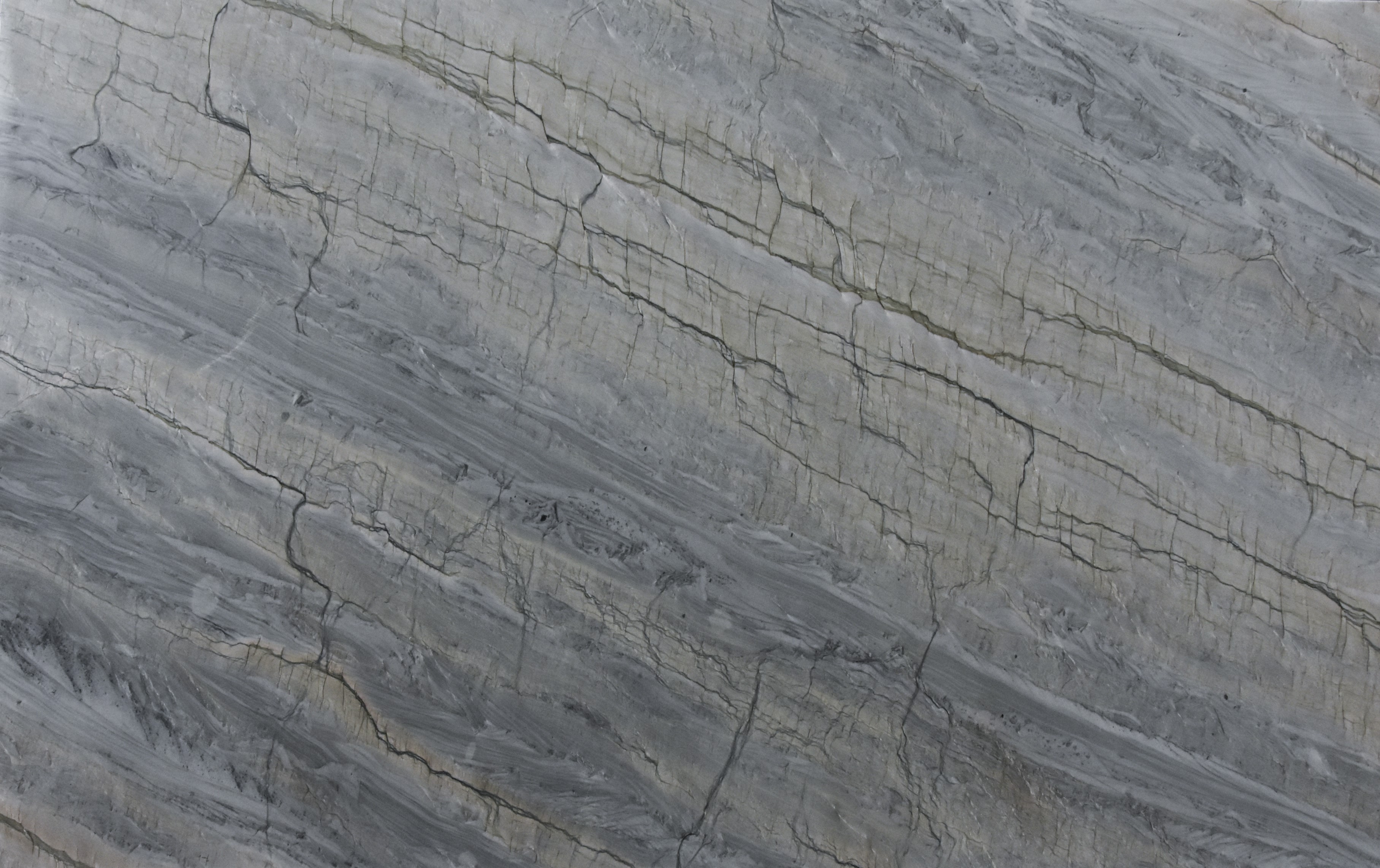
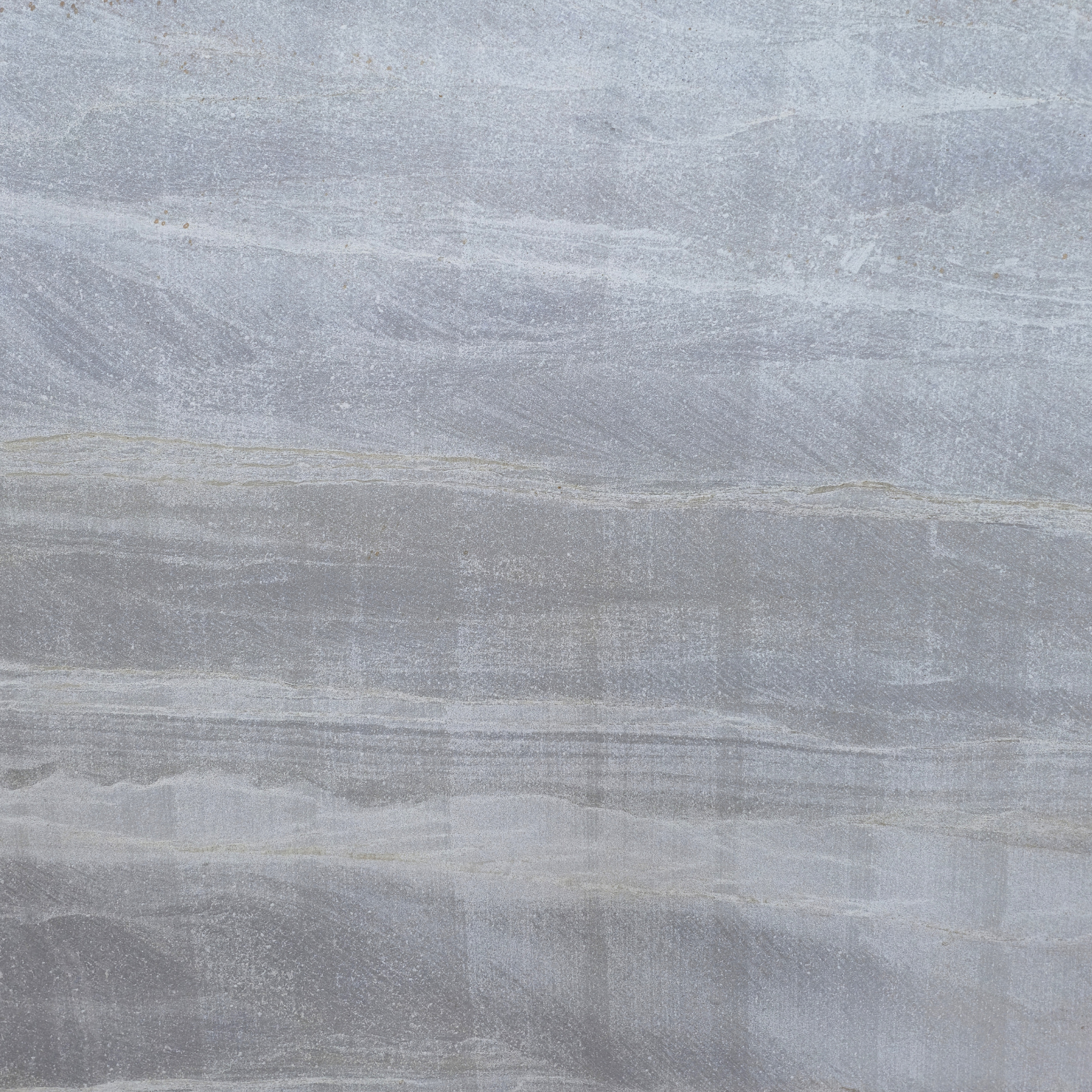
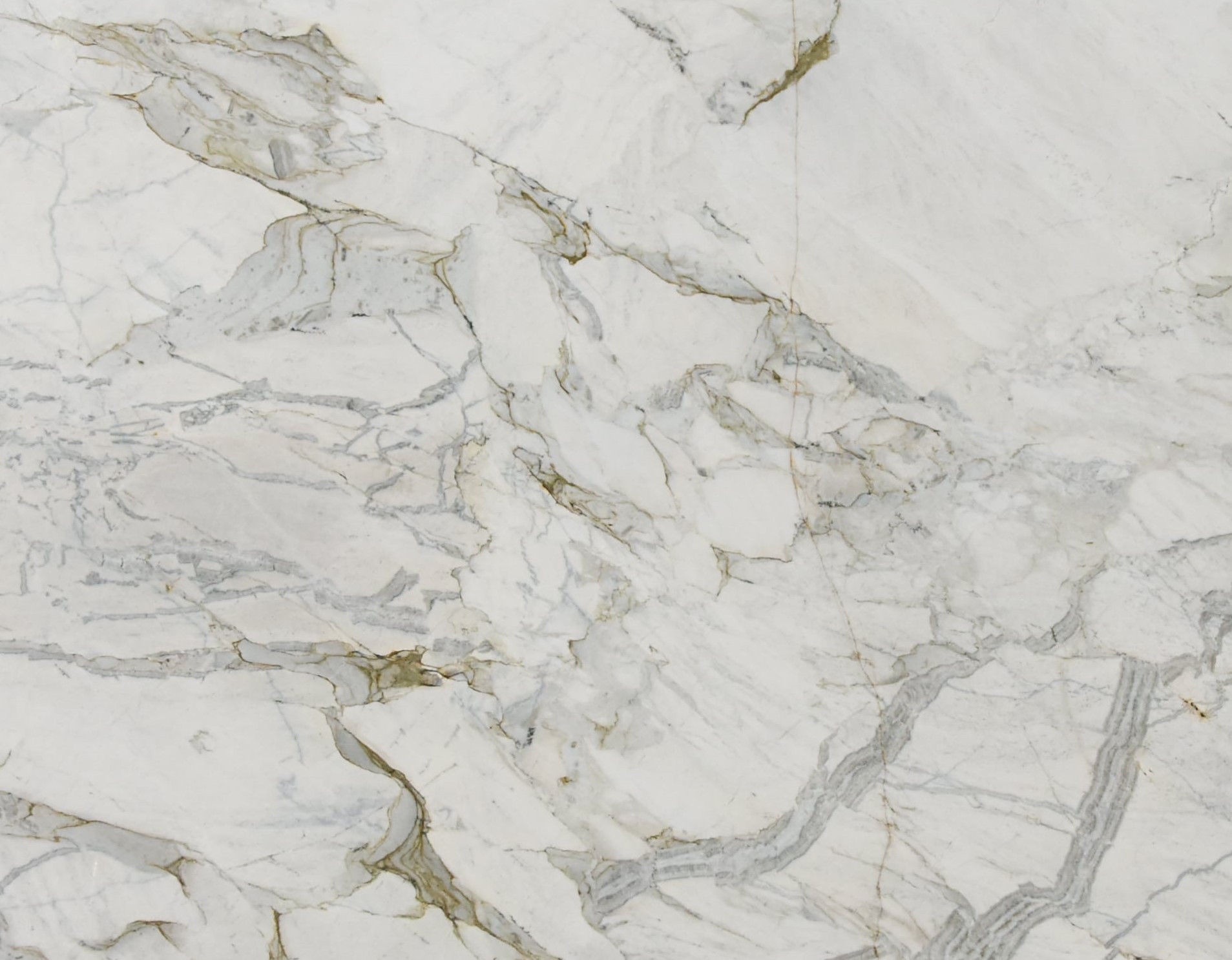
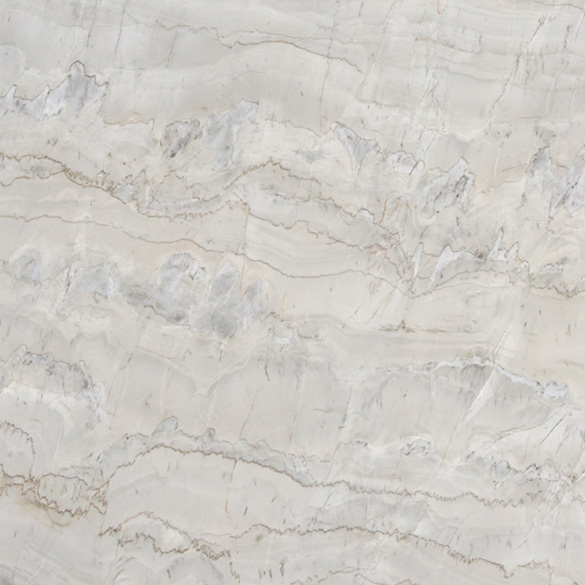
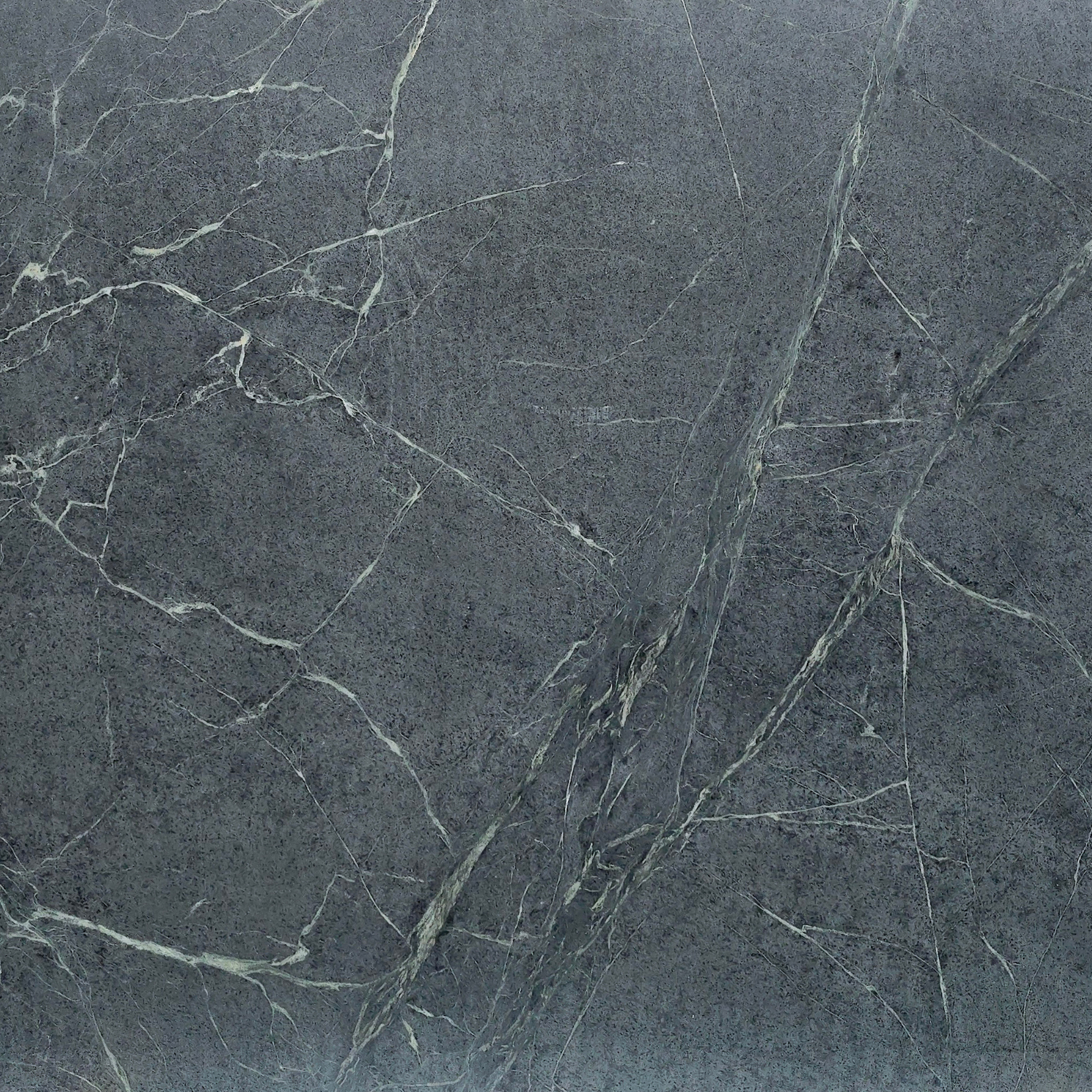
Aurora White offers an almost pure clarity in its background, with softer, more uniform veining. It reflects light brilliantly, illuminating spaces. This makes it an excellent option for smaller areas or for those seeking a clean, modern, and bright look.
Which white marble is best for kitchens?
Kitchens require materials that can withstand frequent use and impact, and marble is a proven choice. Among the types mentioned, Aurora White is often highlighted as an excellent option for kitchen countertops and sinks, thanks to its light background, discreet veining, and polished or honed finishes.
Tips for using white marble in the kitchen:
- Prefer polished or semi-polished surfaces: their glossy reflection adds luxury, but requires proper sealing.
- Use pendant lights or embedded lighting to highlight the veining: spotlights above countertops or islands make marble the focal point.
- Combine with metallic finishes: brushed steel for a modern look or brass/gold for classic glamour.
- Choose the right sink color: light-toned sinks keep harmony, while stainless steel or black create contrast and visual impact.
How to use white marble in décor?
Choosing the right type of white marble is only half the job—knowing how to apply it, considering light, texture, and contrast, defines the final result.
- Feature walls: applying white marble to vertical panels, behind the bed, in an entry hall, or on fireplace walls creates a strong visual impact.
- Integrated flooring: in large spaces, white marble floors visually expand the area, especially with large slabs or minimal grout lines.
- Texture mix: combine white marble with light wood (such as oak), dark metals, or matte surfaces to balance and highlight veining.
- Decorative details: window sills, niches, baseboards, or side tables in white marble add elegance without overwhelming.
- Luxury bathrooms: marble walls in showers, countertops, or framed mirrors—paired with clear glass—highlight the material without excess.
White marble, with its elegance and versatility, offers countless opportunities to elevate your projects to new levels of refinement. Interior spaces such as living rooms, kitchens, and bathrooms gain luminosity, sophistication, and serenity when marble is applied thoughtfully.
Decolores is a reference in premium natural stones, with refined finishing and a meticulous selection process. If you want to transform your next project with natural stones, explore the full selection of Decolores marbles.
Related contents
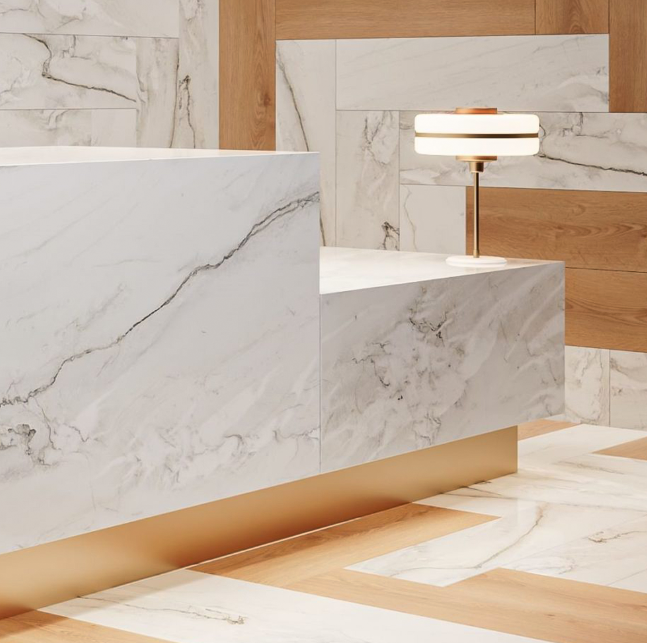
Trends in Natural Stone for 2023
We've gathered everything you need to know about trends in natural stones for 2023. Read More! What are the main trends in natural stones for 2023? Spoiler alert: they involve a wide range of colors, unique patterns, and the prominence of technology, for instance. But that's all we can reveal for now. To learn more about the topic, follow along here and check out the content crafted especially for you. Happy reading! The Importance of Ornamental Stones Ornamental stones are perfect for enhancing the ambiance. Granite, quartzite, marble, and sandstone, for example, set the tone for attractive, decorative, and truly diverse spaces. In this regard, these materials enable you to "uplift" many areas. From the pool to bedrooms, from bathrooms to the kitchen: with them, everything becomes incredible and unique! Trends in Natural Stones for 2023 In addition to natural elements with raw finishes, pieces rich in unique details and distinctive textures are also expected to remain popular. However, unique design and a focus on technology and sustainability are equally prominent today! Stay updated on the main trends in natural stones for 2023: Innovative Colors and Patterns Neutral and warm palettes stand out, each in its own way, with avant-garde patterns. When it comes to the former, softness is their trademark! Meanwhile, warm colors, including shades of orange and red, are expected to claim increasingly larger spaces in interior decoration, especially when combined with various geometric patterns. Distinct Textures and Finishes Sophistication is present in natural stones through textures and finishes that deviate from traditional options. Consequently, each material becomes unique, with various application possibilities in different settings. Sculpting, sandblasting, and polishing techniques make all the difference in creating distinctive surfaces. Exotic and Rare Materials Stones like sodalite, very rare and found exclusively in Brazil, also play a significant role in current trends. Its exuberant royal blue color brings sophistication and refinement to various spaces. Therefore, it can be incorporated into countertops, tables, sinks, and more. Sustainability and Natural Stones Preserving the environment is everyone's duty. The importance of sustainability is increasingly in focus, driving innovations that are essential in product creation. In the case of stones, the trend is towards increased production of long-lasting items that do not require frequent replacements and outlast traditional solutions. Innovative Applications In this topic, the spotlight is on various ways to apply natural stones, whether in interior or exterior designs. Stones in contact with water are expected to become an increasingly common feature moving forward. Moreover, these pieces can also be found in unexpected places, such as the wall behind the bed, for example. Integration with Technology Continuous improvement in processes facilitates synergy between natural stones and technology. In other words, innovation contributes to the development of unique solutions, delivered to clients with extensive customization possibilities. Cutting-edge resources have been crucial in making spaces even more modern, intelligent, and beautiful. Sustainable Projects It's impossible not to emphasize the topic of nature. Natural stones are being widely used in architectural projects, from small spaces to large buildings. As such, items like these have indeed made a unanimous contribution to the preservation of what matters most: the environment. Count on us and elevate your interior decor The best trends in natural stones for 2023 are here at Decolores. Since we started our operations in the year 2000, we have spared no effort in providing truly distinctive ornamental stones for our clients' projects. Explore options, get in touch with us, and discover everything we can do for you!
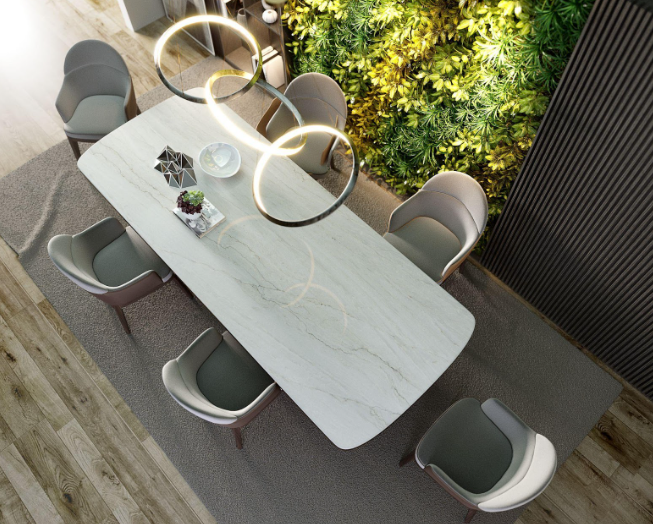
Natural Stones in high-end commercial projects
What factors should be considered when choosing natural stones for high-end commercial projects? Find out here! Providing excellent customer service and offering unparalleled experiences is essential in today's world. And principles like these involve the presence of natural stones in high-end commercial projects. That 's right! Materials are not only crucial for adding grandeur to establishments but also for ensuring unique decorations and singular experiences for the public. Shall we delve deeper into the topic? Here, you'll discover everything about natural stones: advantages, types, how to select them, and much more. Enjoy the reading! Natural stones in high-end commercial projects and their benefits High-end commercial projects offer ample opportunities to use natural stones in various ways. The application tends to go far beyond traditional work, making this material a common component in floor and wall coverings. In this regard, marbles, granites, and quartzites can be present in lavatories, SPAs, fireplaces, etc. Additionally, they add a sophisticated touch to countertops, workbenches, and tables, ranging from minimalism to the most extravagant designs available today. Their advantages are also numerous. Here are some of them: High durability; Wide range of applications; Great resistance; Ability to not retain heat and moisture. Distinctive features like these make the spaces unique, providing beautiful decorations and simplifying everyday cleaning processes, for example. Types of natural stones and tips for choosing them Having the best natural stones in high-end commercial projects is entirely possible, from various types of establishments, from facades to interior spaces. To help you make the right choice, we've prepared some tips: Opt for patterns that harmonize with the other decorative elements of the project. A good decoration brings a balance between natural stones and other decorative resources in the environment, aiming for a pleasing harmony to the senses. From the classic patterns of marble types to the vibrant and modern ones of quartzites, the combination will look amazing when blended with the other elements of the project. Pay attention to the types of natural stones and their recommended applications: Knowing the types of stones and their recommended applications is an essential point for you to determine which product will be chosen. Check out the main recommendations for each type below: Quartzite: extremely resistant, quartzite can be used in a variety of environments, both indoors as flooring, countertops, and panels, or outdoors like pools, facades, and outdoor fireplace cladding. They come in a wide range of colors, patterns, and textures, adding refinement and originality to projects; Granite: with scratch resistance and easy installation, granite is a type of stone that also has a wide range of applications, whether for outdoor or indoor areas, ensuring beauty to projects; Marble: from classic patterns, marble elegantly complements indoor spaces, being suitable for applications like floors, walls, and furniture, as well as exterior fireplace cladding and tabletops; Travertine: known for being a timeless and versatile stone, travertine can be used in indoor spaces like panels and floors, or in outdoor areas such as facades and pool edges. With a velvety texture and neutral colors, it provides versatility and elegance to the project. Take into consideration the texture you wish to use. In addition to the broad patterns and veins that natural rocks possess, there is the possibility of varying the applied textures, bringing a fresh perspective to the product. Among the various possible finishes, we mention polished, which imparts a shiny and mirrored aspect to the material; brushed, characterized by a velvety and satin-like texture; honed, ensuring a matte and smooth appearance; flamed, providing a more rustic, raw finish to the stone. Stay informed about cleaning and maintenance tips for the material. Besides ensuring the best standard and texture of your material, remember that it is essential to know how to protect your natural stone. Avoid using abrasive or chemically aggressive cleaning products and always prefer detergents with a neutral pH. More information on the protection, application, and maintenance of these products can be found in our Natural Stone Guide. To recap: Natural stones offer numerous benefits, including unmatched durability and resistance. There are various types available today, including marble, granite, and quartzite. In high-end commercial projects, they can be used in a variety of ways, well beyond what is considered common applications. Choosing quality products is one of the key factors in enhancing architectural work like no other! Want to know how we can help you? Click here, explore our solutions, and discover what we at Decolores have to off.
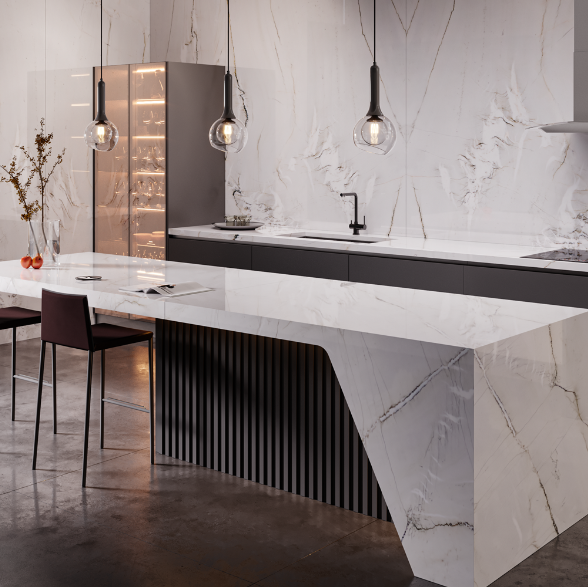
Discover how to combine resistance and sophistication in your projects with quartzite
Check out some tips for creating stunning projects using quartzite. Read here. Do you want to use natural rocks in your projects but don't know exactly how to create harmonious compositions that enhance your spaces even more? Keep reading and discover the various possibilities that quartzite can offer according to your goals. What is quartzite? Quartzite is a type of natural rock found in several Brazilian states. Formed from highly resistant sedimentary rocks, it is composed of 75% quartz and 25% other elements such as tourmaline, muscovite, biotite, among others. With unique patterns, it has a uniform and clean base, making it perfect for creating modern projects where minimalist aesthetics are the focal point. What are the advantages of quartzite? Here are the main benefits of using quartzite in your projects: Resistance: Due to its low absorption and high quartz content, which provides high hardness, quartzite has a wide range of applications. Finishes: Being a natural rock, quartzite can receive various finishes on its surface, such as polished, honed, brushed, flamed, or raw. Varied colors and prominent veins: Quartzite can be found in a wide variety of colors, with distinctive and original veins and tones. Easy to clean: Only water and mild soap are needed to clean this rock. As it doesn't absorb liquids, immediate cleaning is not necessary. How to use quartzite in projects? This natural rock can be applied in different areas of the house. Here are some great examples of applications that look amazing: In bathrooms, it can be used on the sink countertop or as a wall covering in the shower area. In kitchens, the classic use is as a countertop and supporting counter, also serving as a product for kitchen islands. In living rooms and bedrooms, it stands out as a wall covering, especially on focal walls within the space, such as behind the bed or TV wall. In outdoor areas, such as flooring, it is recommended to apply a special treatment to the surface of the rock to prevent it from becoming slippery. Get to know Decolores quartzites Click here and check out the options for natural rocks to create charming projects.