






Quartzites
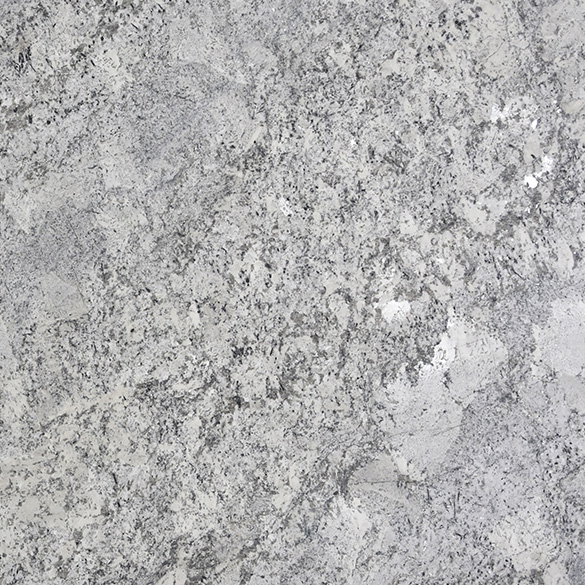
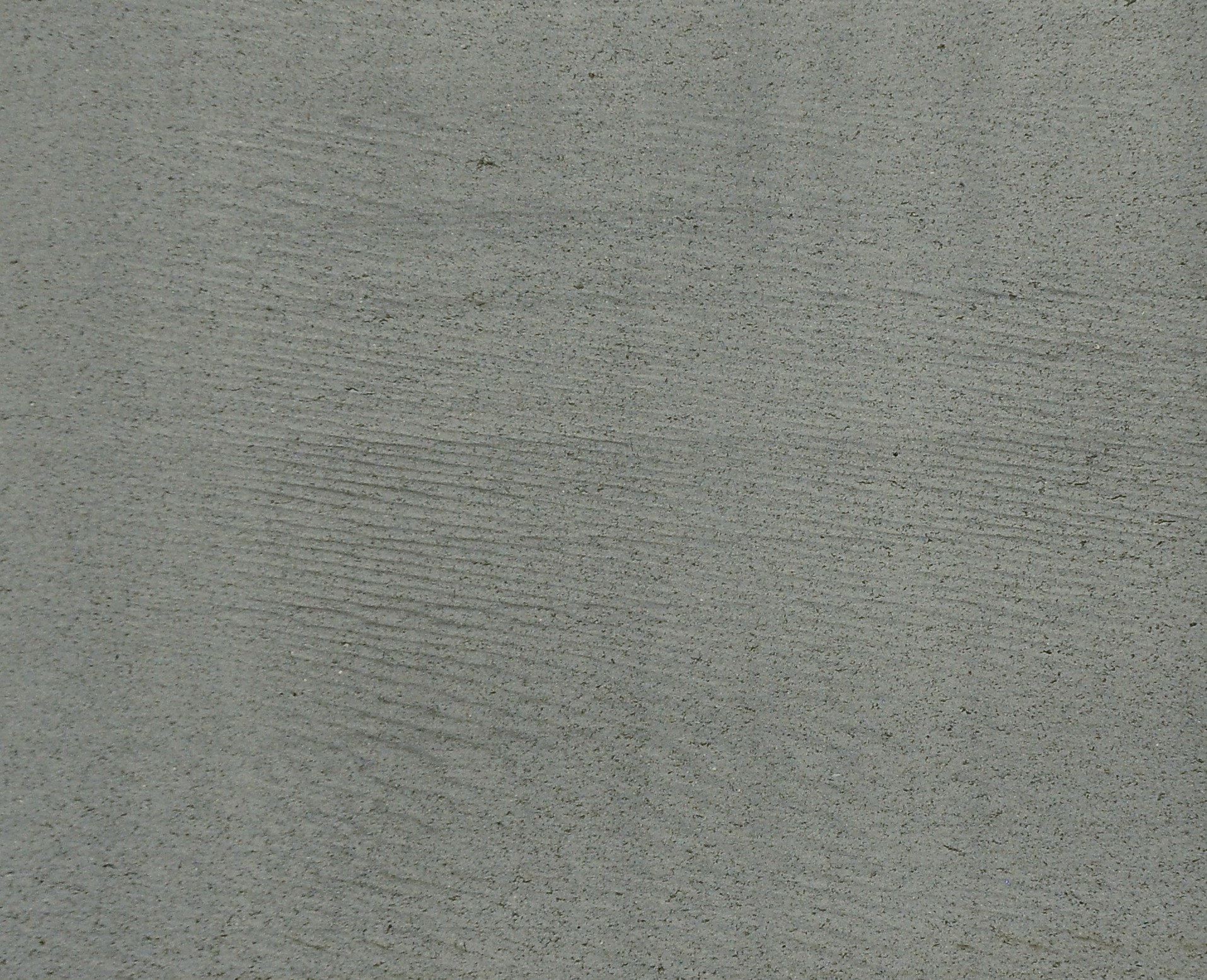
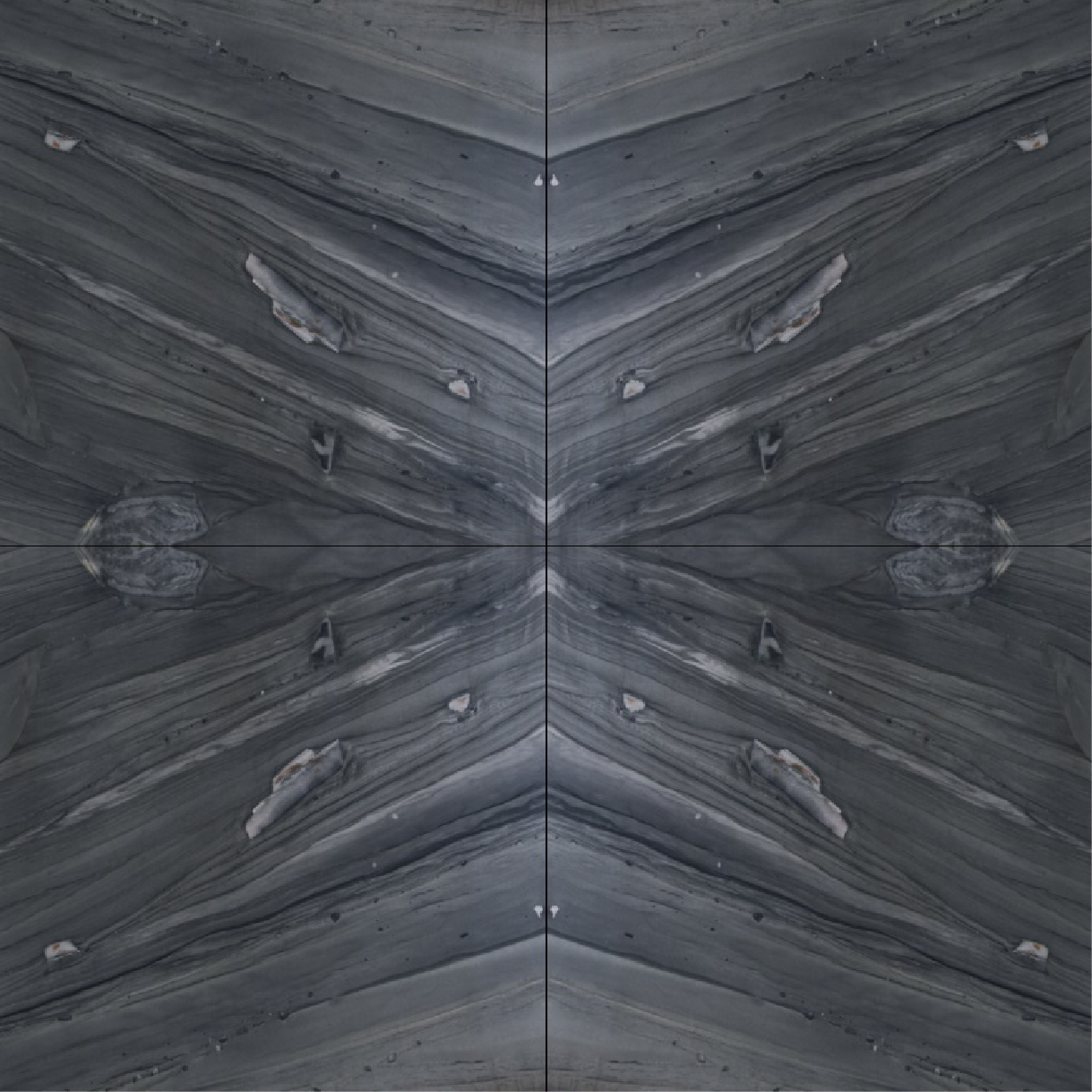
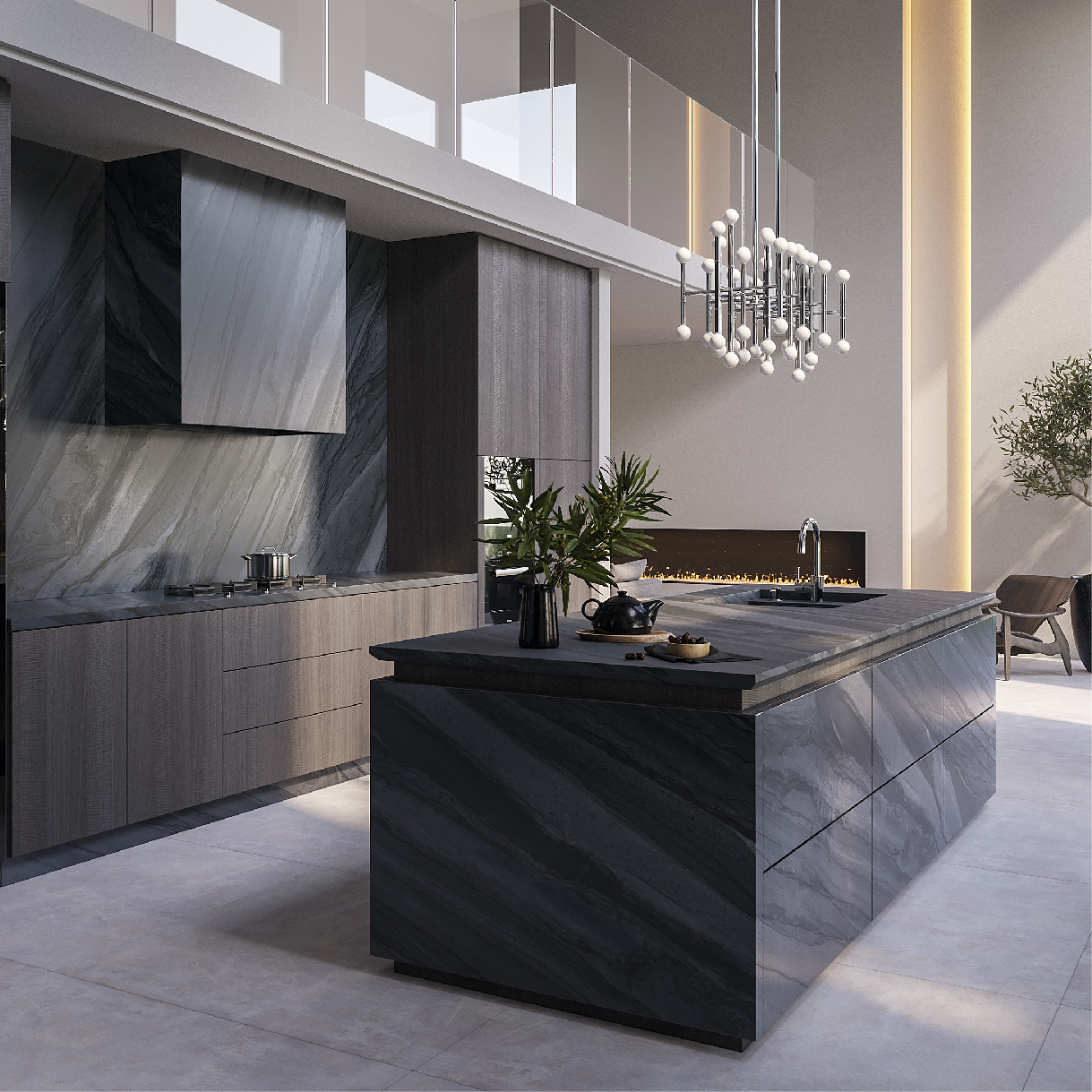
Infinity Grey
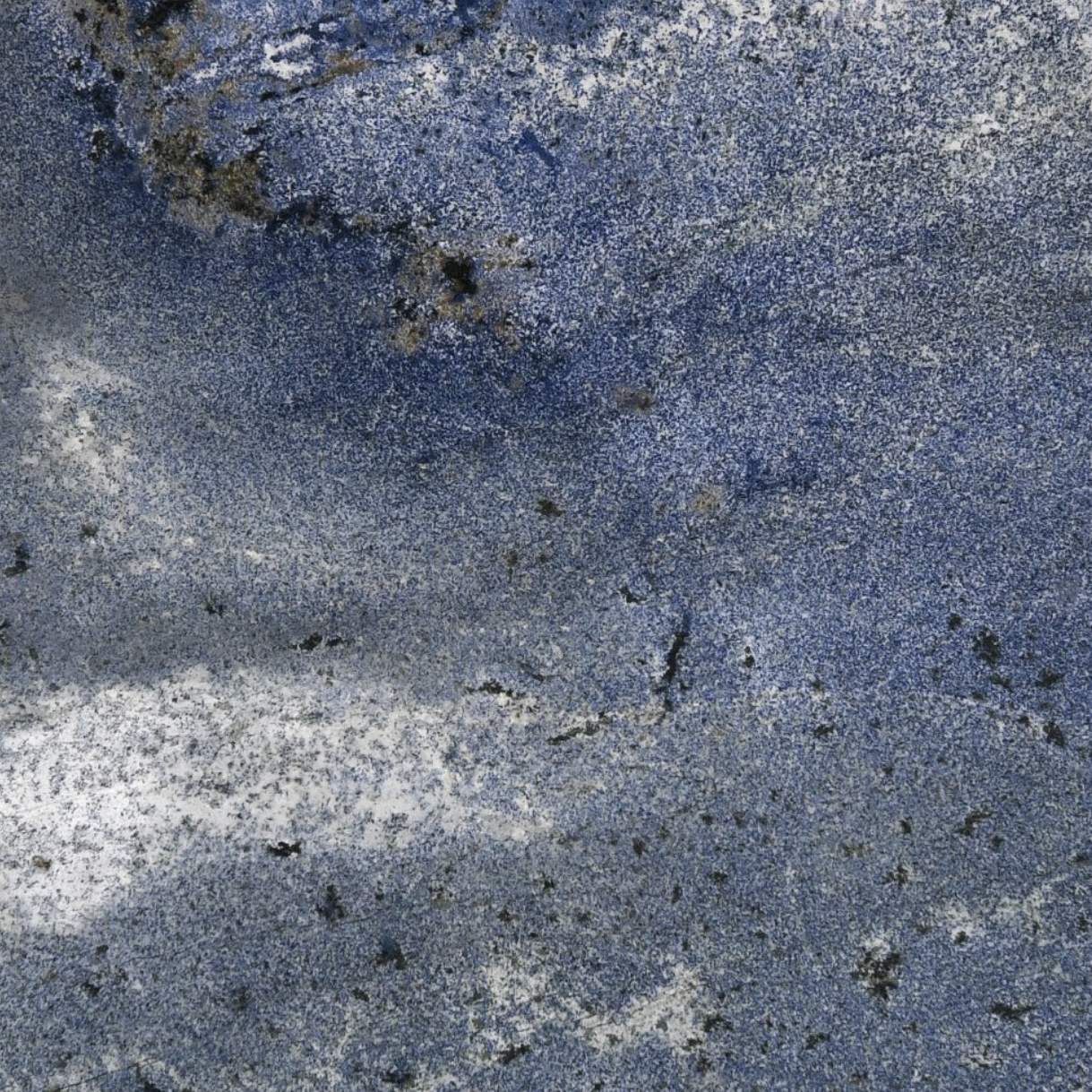
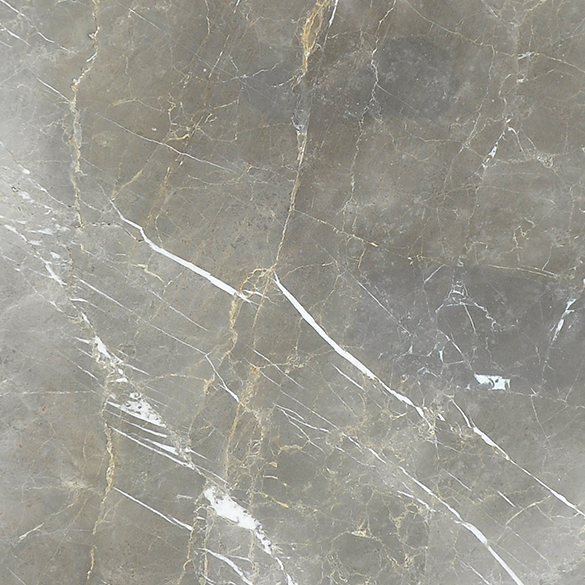
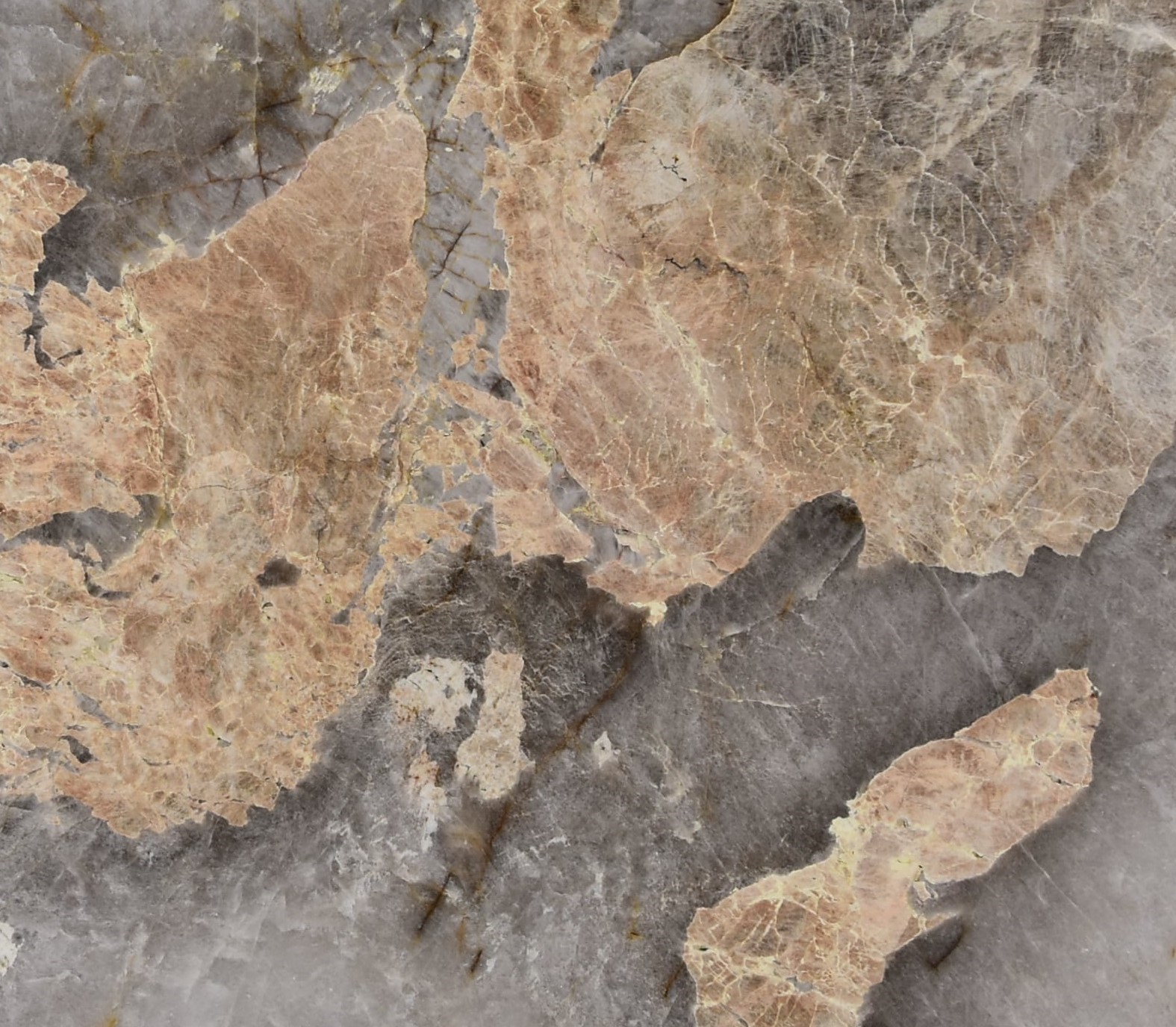
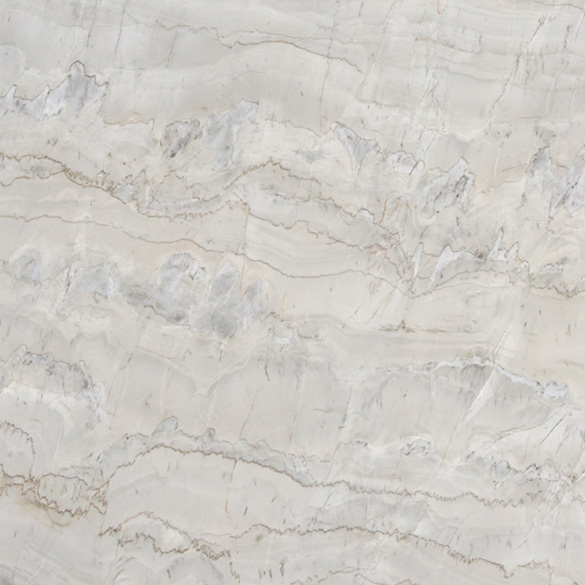
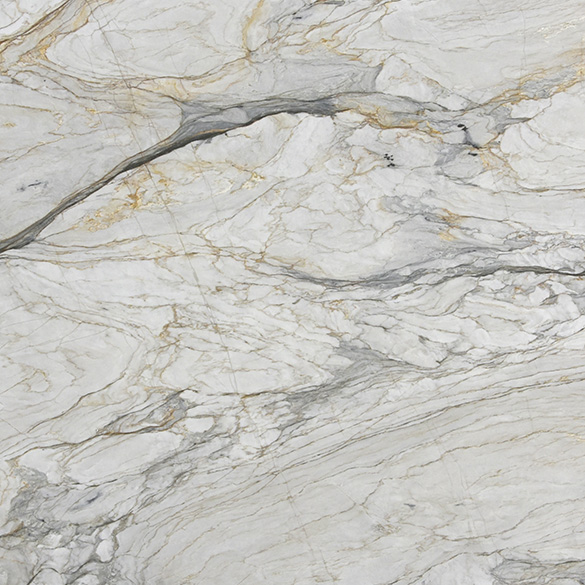
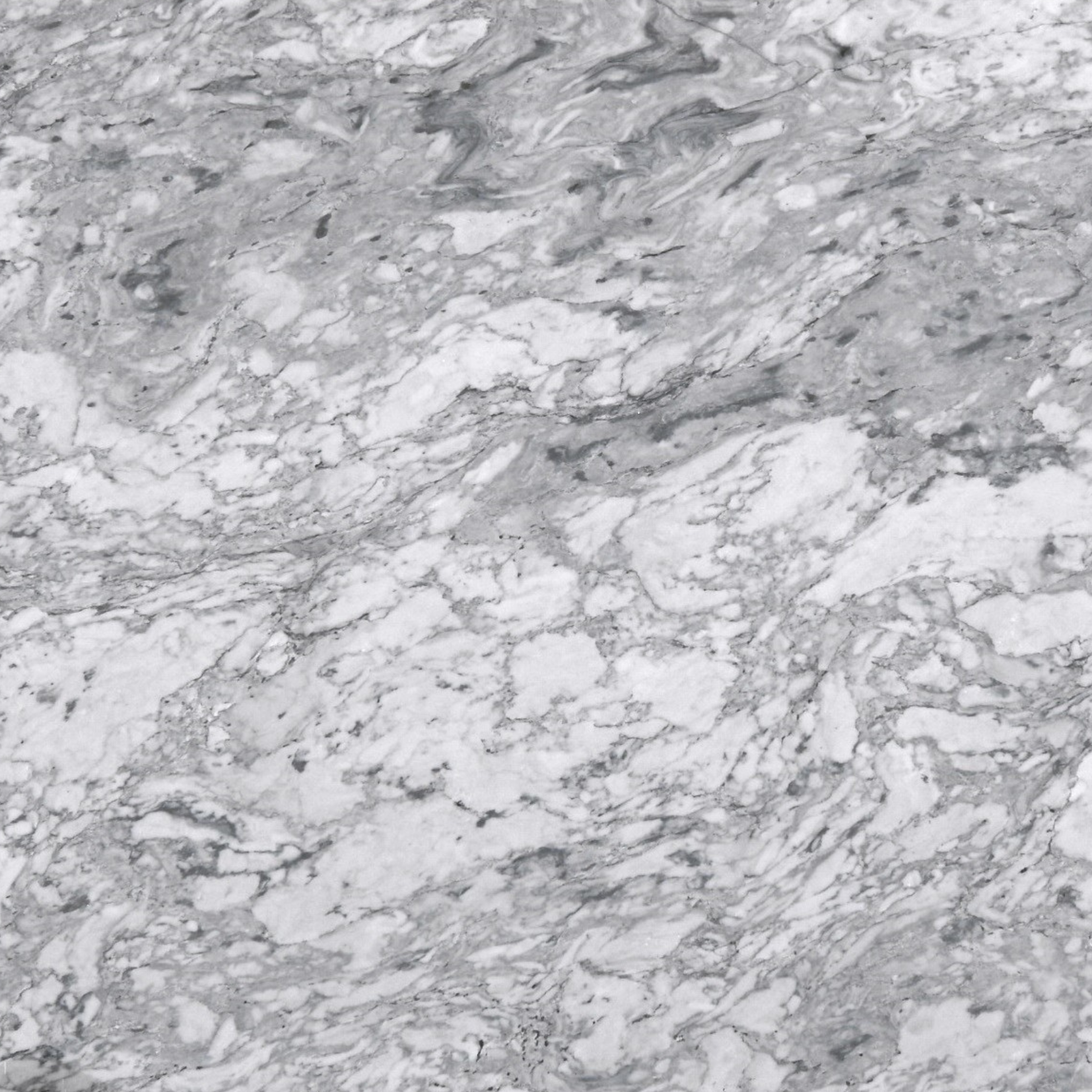
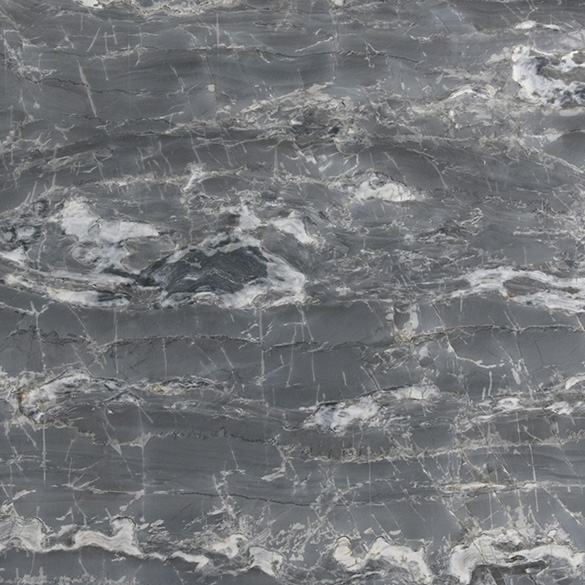
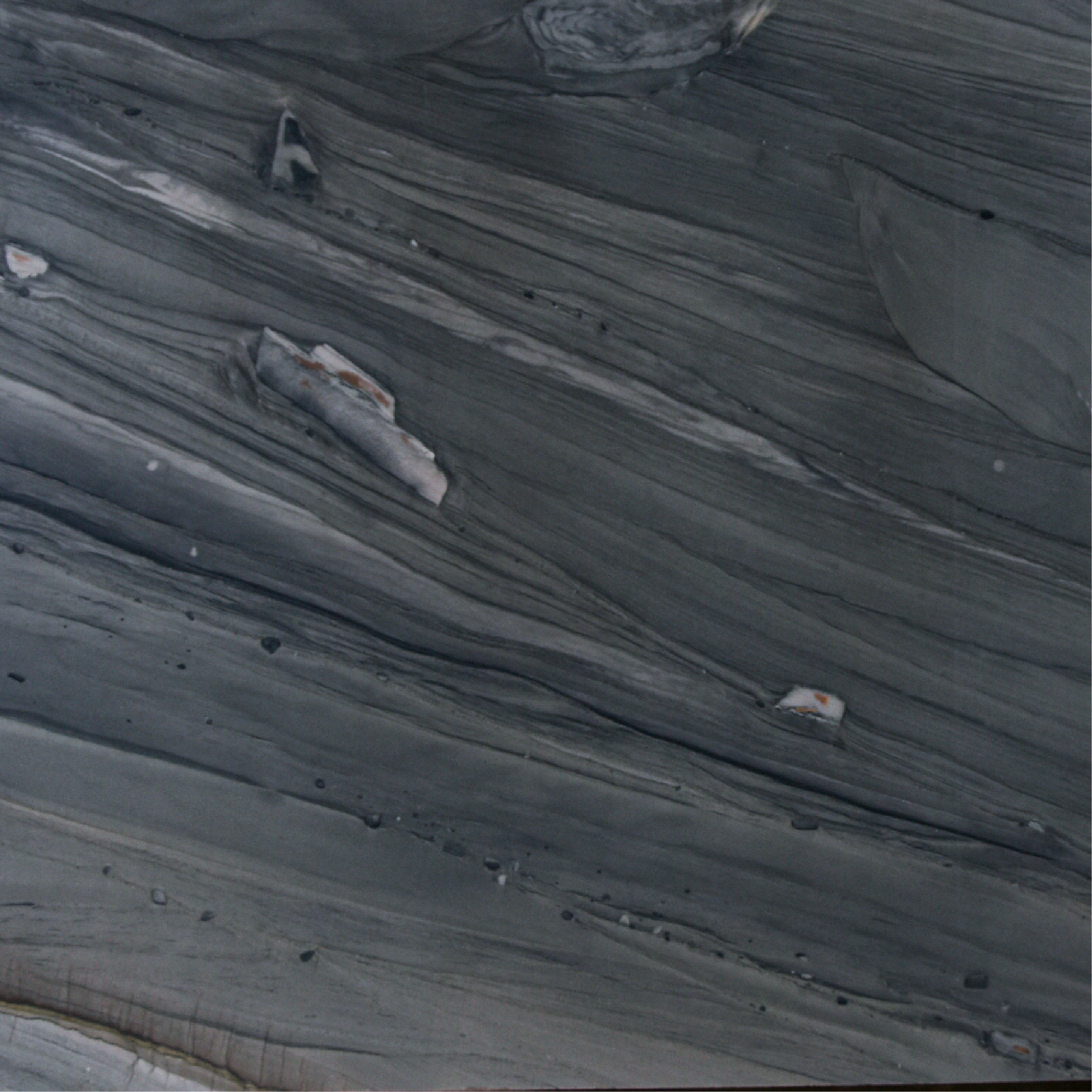
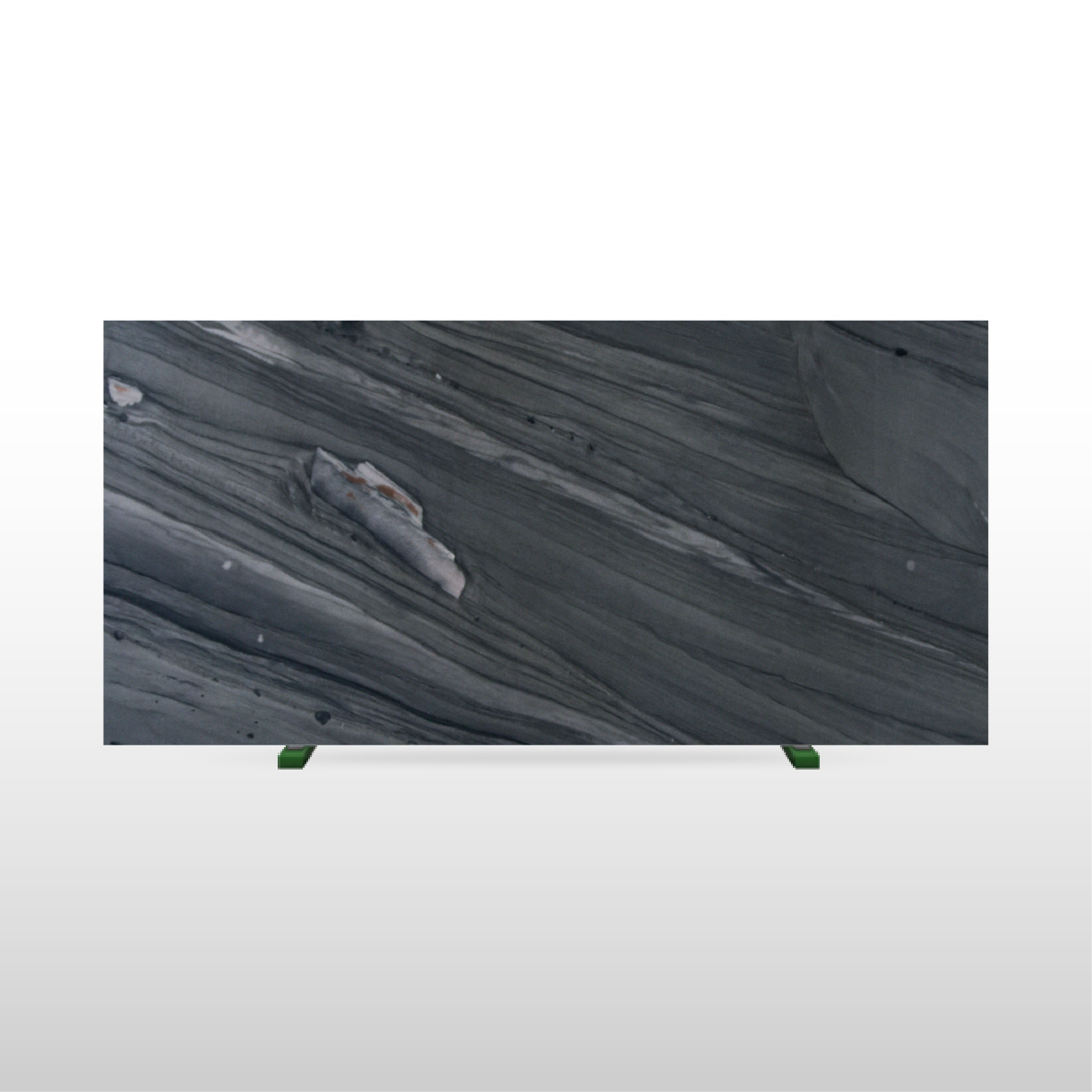
The Chapada Diamantina region, approximately 1.6 billion years ago, was the setting for a unique geological phenomenon that resulted in the formation of Infinity Grey Quartzite.
During this process, river sediments mixed with tidal movements, creating the foundation for this remarkable natural stone. Pebbles, polished by the continuous action of water, in varying sizes and shapes, became embedded within the characteristic gray matrix of the quartzite.
Over time, intense tectonic stress promoted the metamorphism of these sediments. As a result, minerals such as muscovite and tourmaline crystallized into an intricate quartzitic network, giving Infinity Grey Quartzite its unique and sophisticated appearance.
Each layer of this stone is a geological record of the winding paths of rivers and the constant movement of tides, preserving millions of years of natural history in a material of exceptional beauty and strength.
Finishes
Polished

Brushed
Honed
Applications

Indoor Flooring

Outdoor Flooring

Internal Walls

External Walls

Kitchen Countertops
Table Tops

Bathrooms

External Fireplace Coating

Stairs

Panels

Quartzites
Quartzito Quartzo (93%), Muscovita (3%), Turmalina (2%), Rutilo (2%), Zircão (<1%)
Quartzite: Quartz (93%), Muscovite (3%), Tourmaline (2%), Rutile (2%), Zircon (<1%)
2648 / ABNT NBR 15845-2
0,29 / ABNT NBR 15845-2
0,11 / ABNT NBR 15845-2
0,36 / ABNT NBR 12042
30,40 / ABNT NBR 12042

Petrographic Analysis
It consists of classifying the rock through the macroscopic and microscopic description of its characteristics, such as minerological composition, alteration, deformation and microcracking pattern.

Apparently density
Relationship between the mass and apparent volume of the rock. It provides the weight of the rock, being an important parameter for calculating loads in buildings.

Apparent porosity
It is the relationship between the volume of voids and the total volume of the rock expressed as a percentage.
Water absorption
It is the ability to assimilate or incorporate water into the rock, expressed as a percentage.

Abrasion resistance
Determines the wear rate due to friction of particles with the surface of a rock plate.

Bending resistance
It simulates bending stresses in rock slabs with a predetermined thickness, in this case simulating the effect of wind on slabs fixed to façades with metal anchors.

Compressive strength
Stress that causes the rock to break when subjected to compressive stress.

Stain resistance
Stress that causes rock to rupture when subjected to compressive stress.
Inspirations
Environments
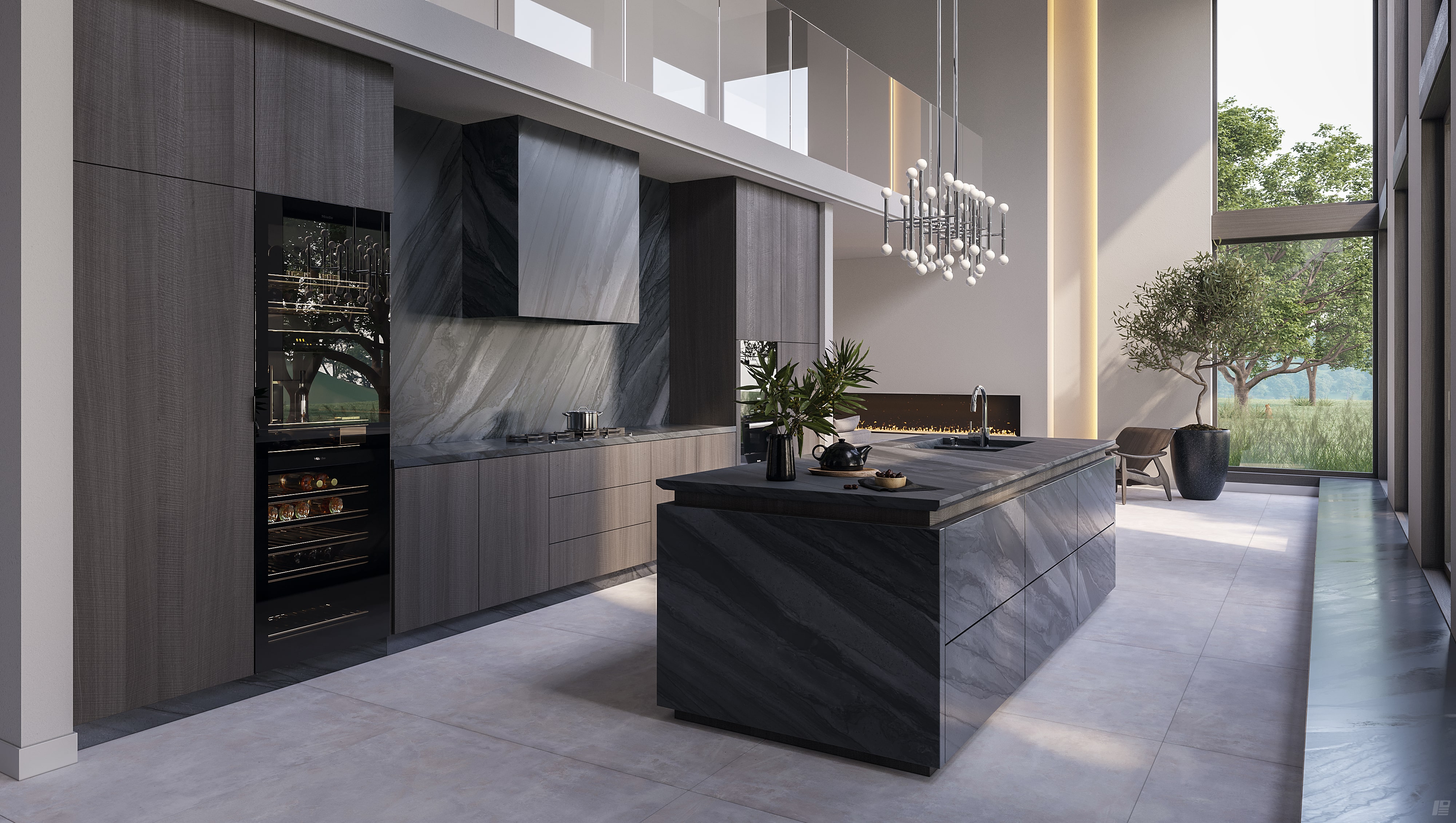
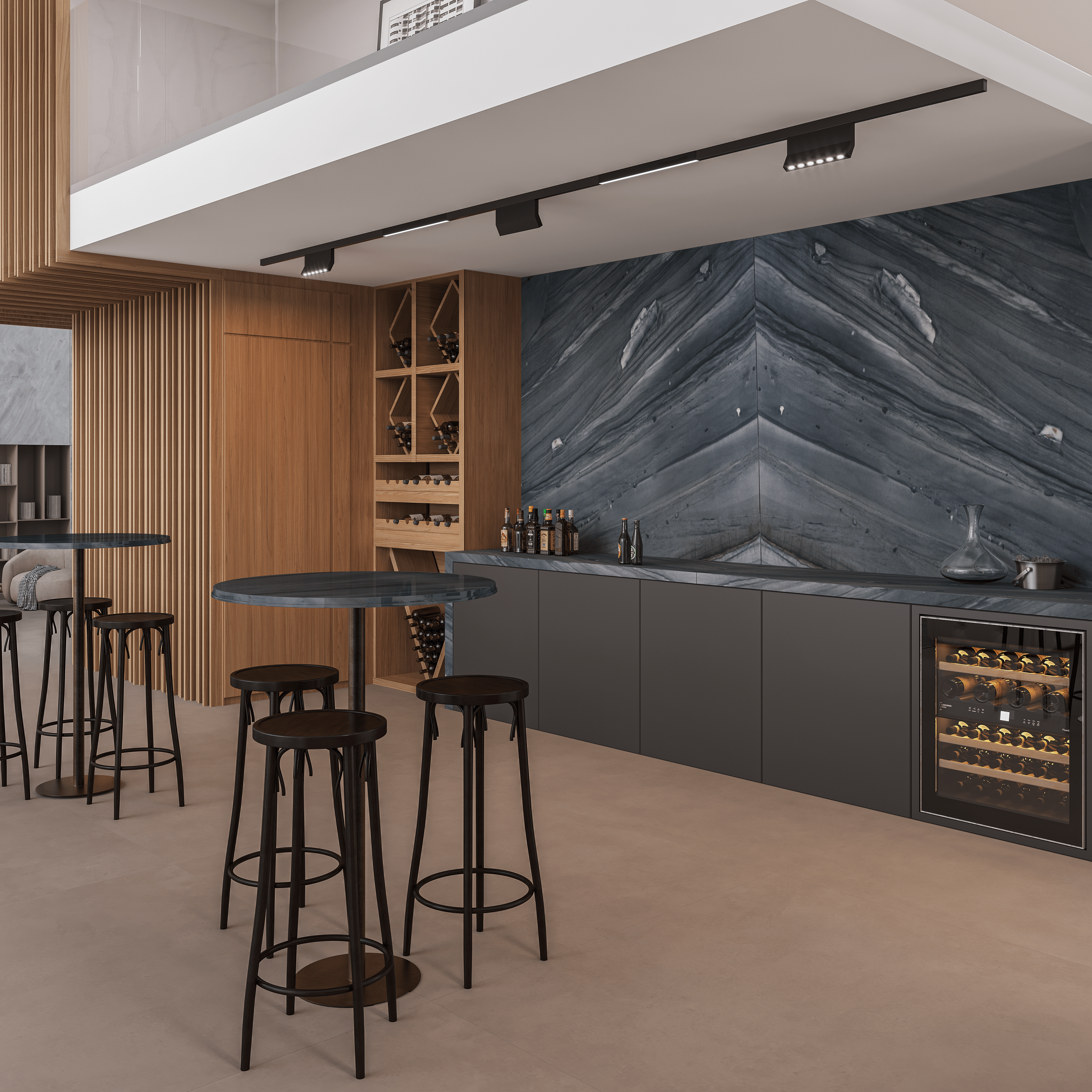
The exclusive world of natural stones for subtle and elegant environments.
Simulate our products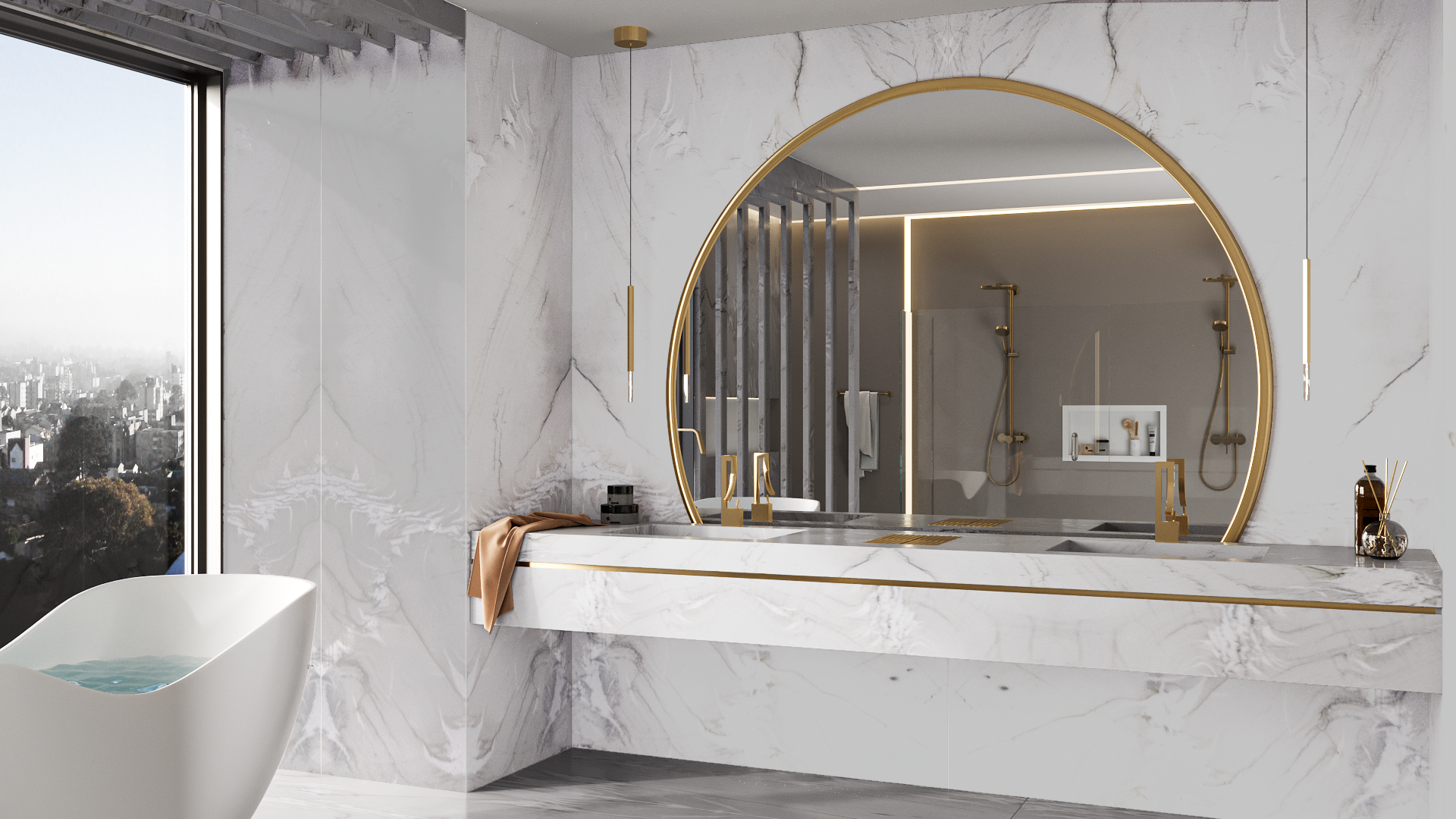
Request a quote
Request a service by choosing the region of interest
Related Products
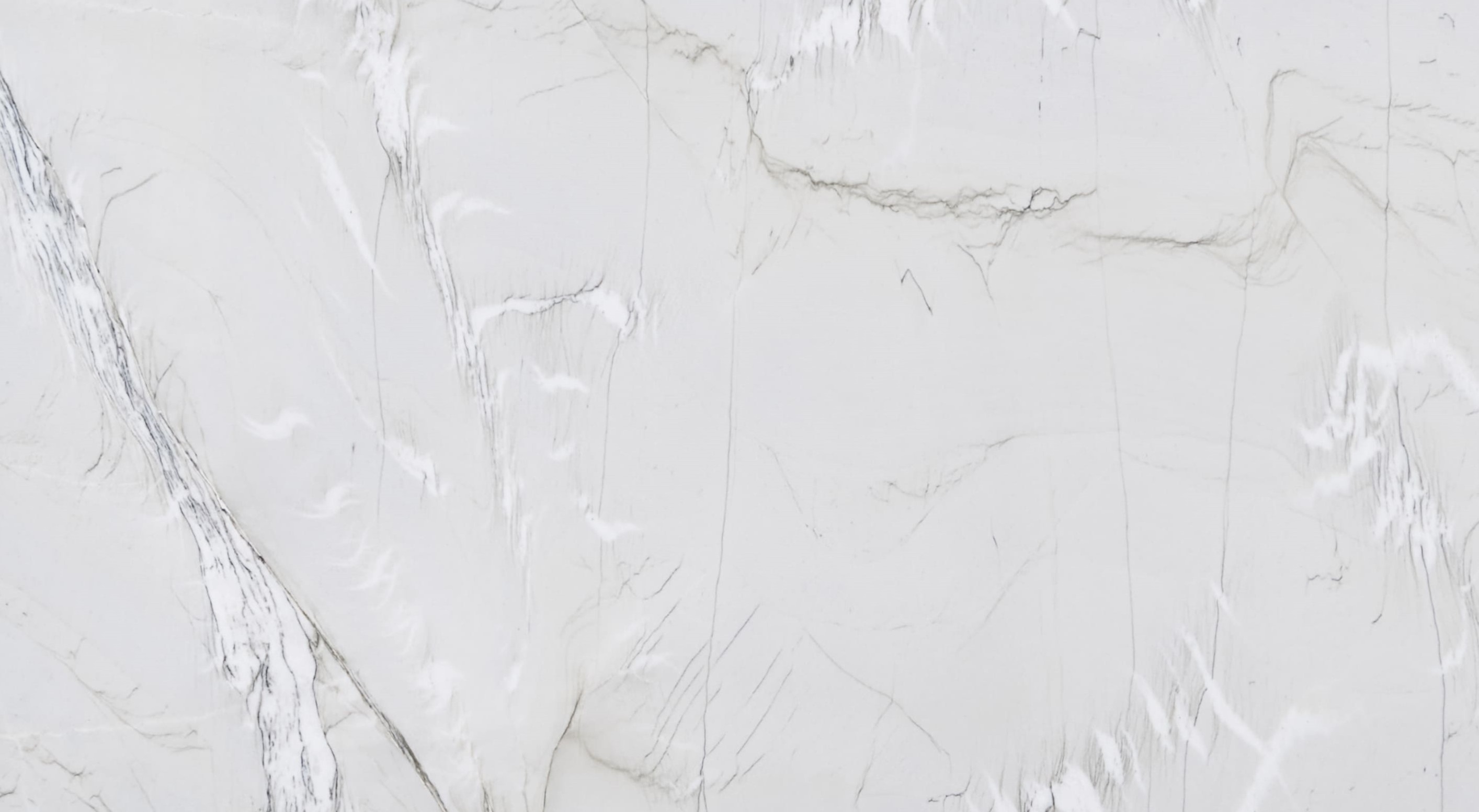
Mont Blanc
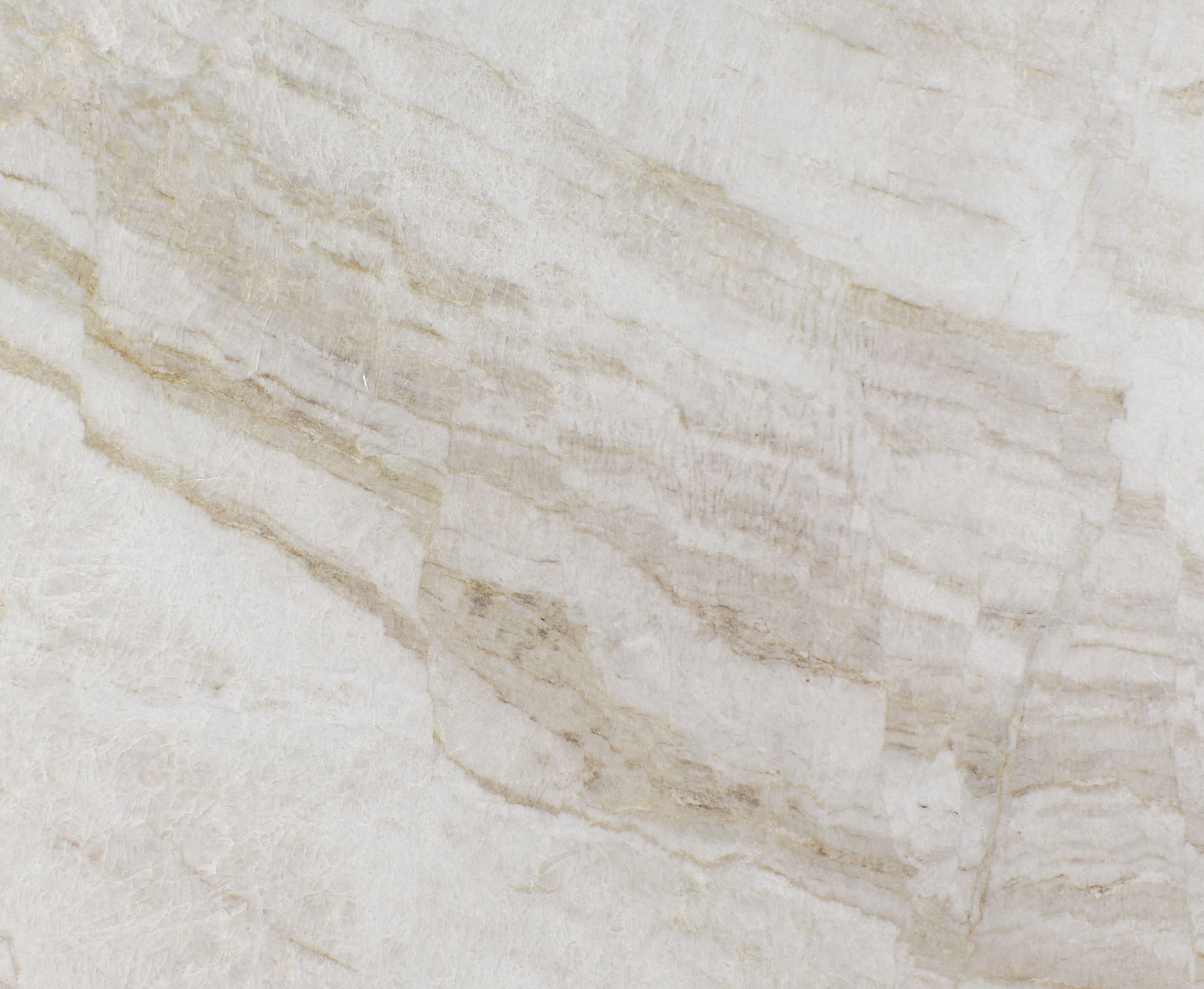
Naica
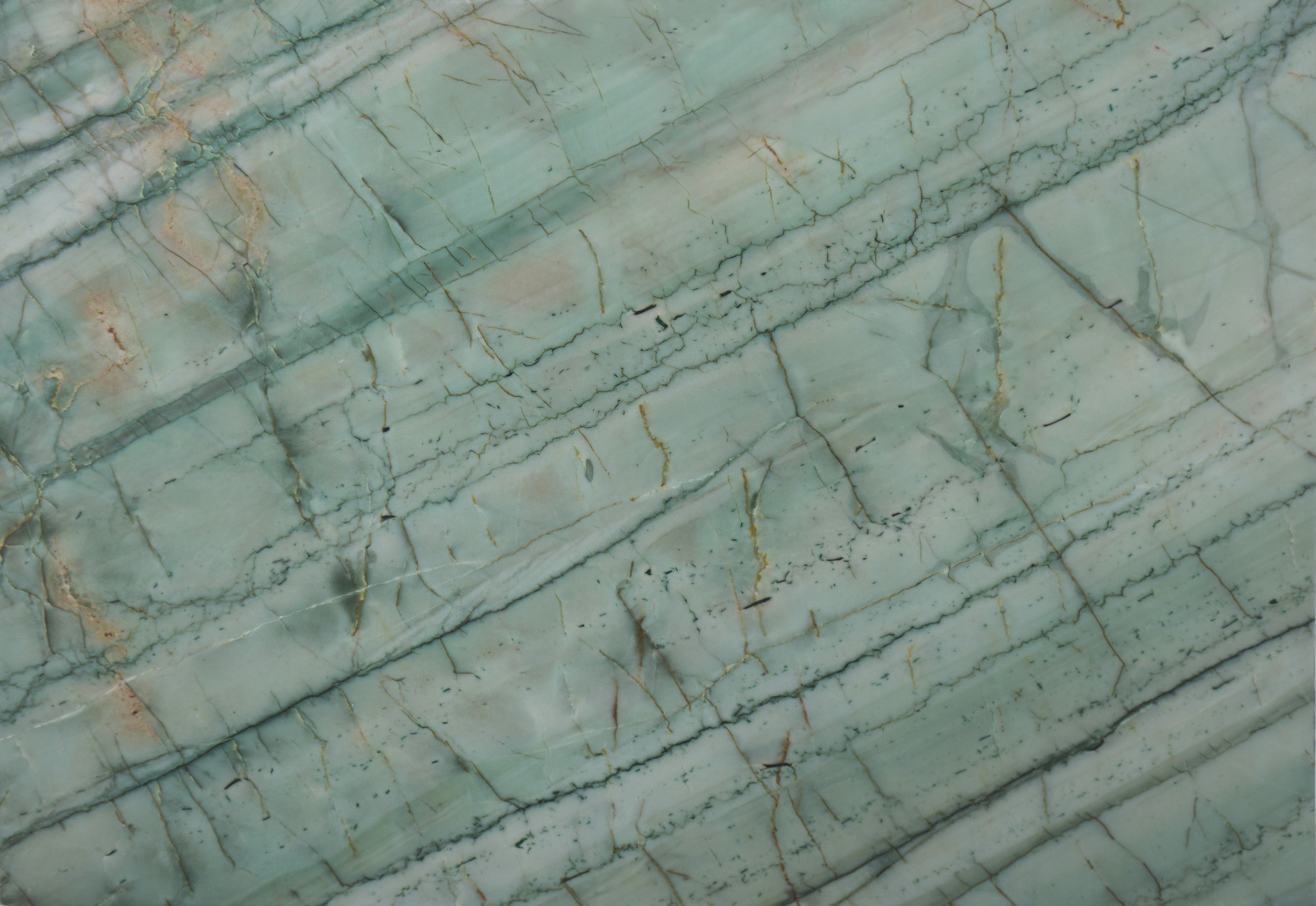
Da Vinci
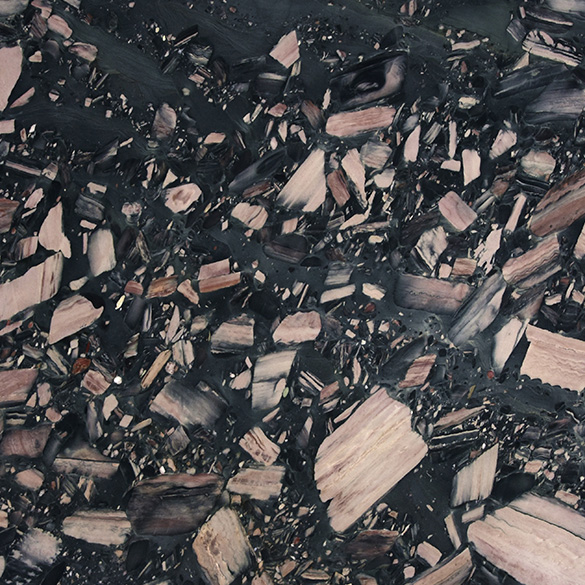
Carmen Black
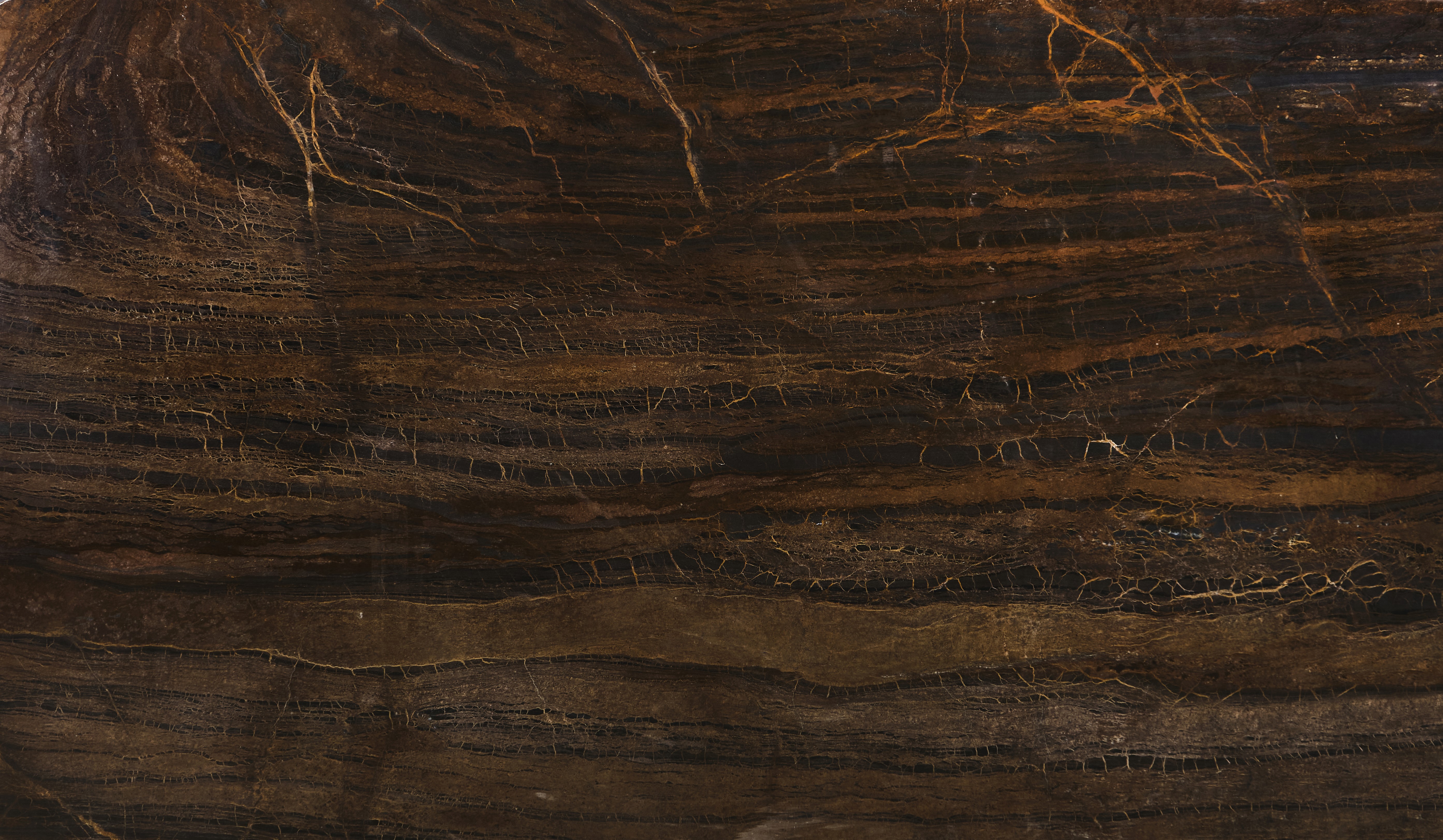
Bronzite
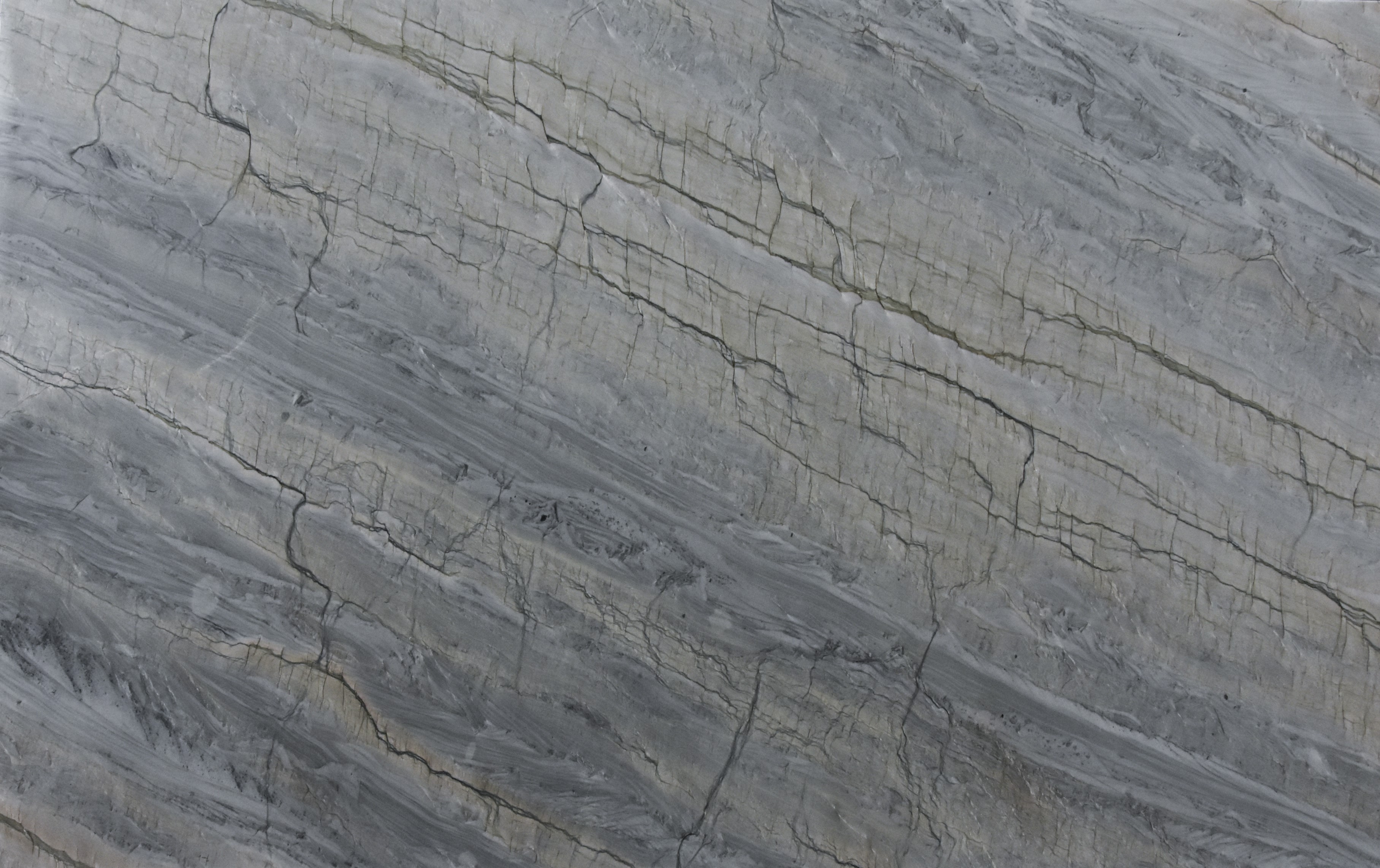
Leblon
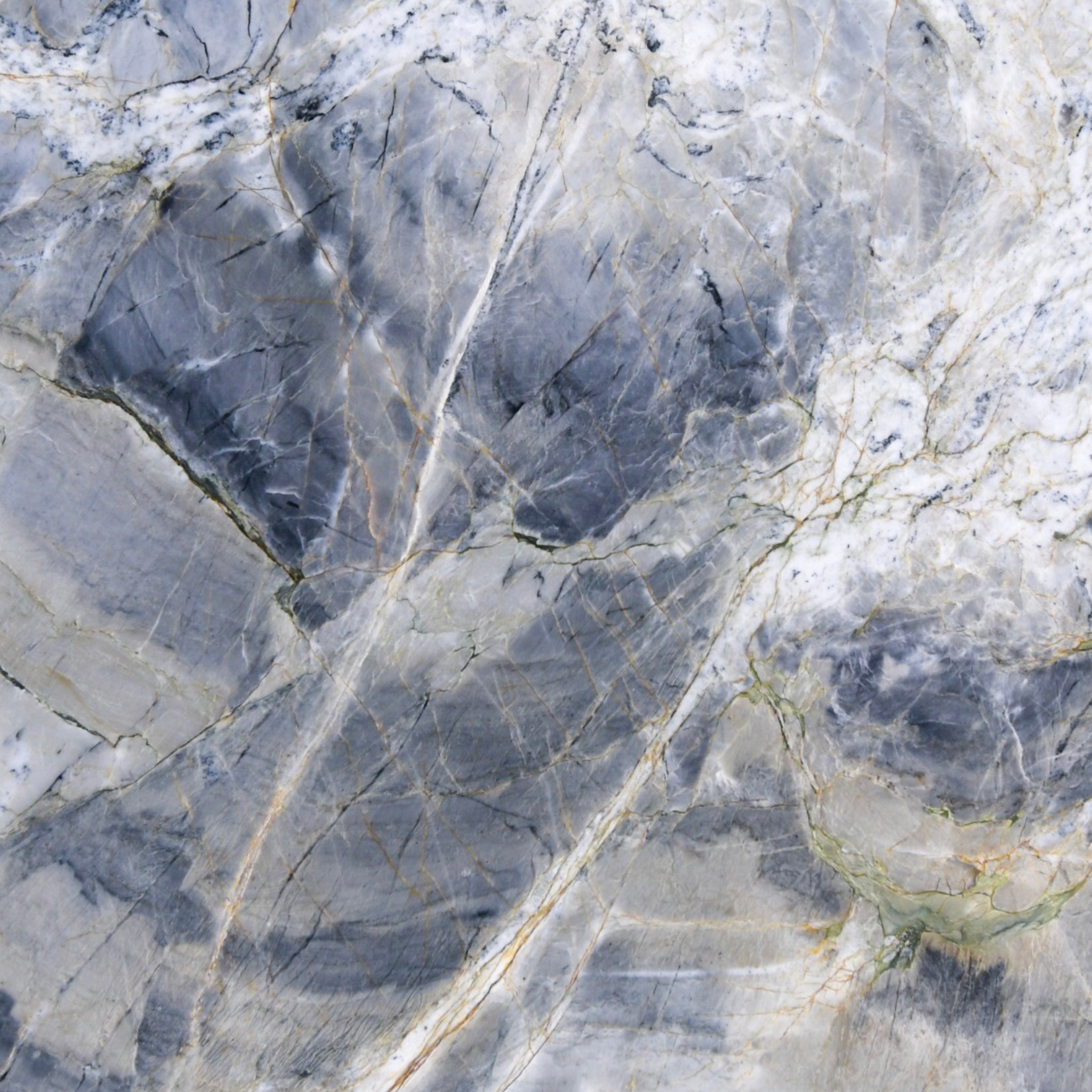
Mystic Blue
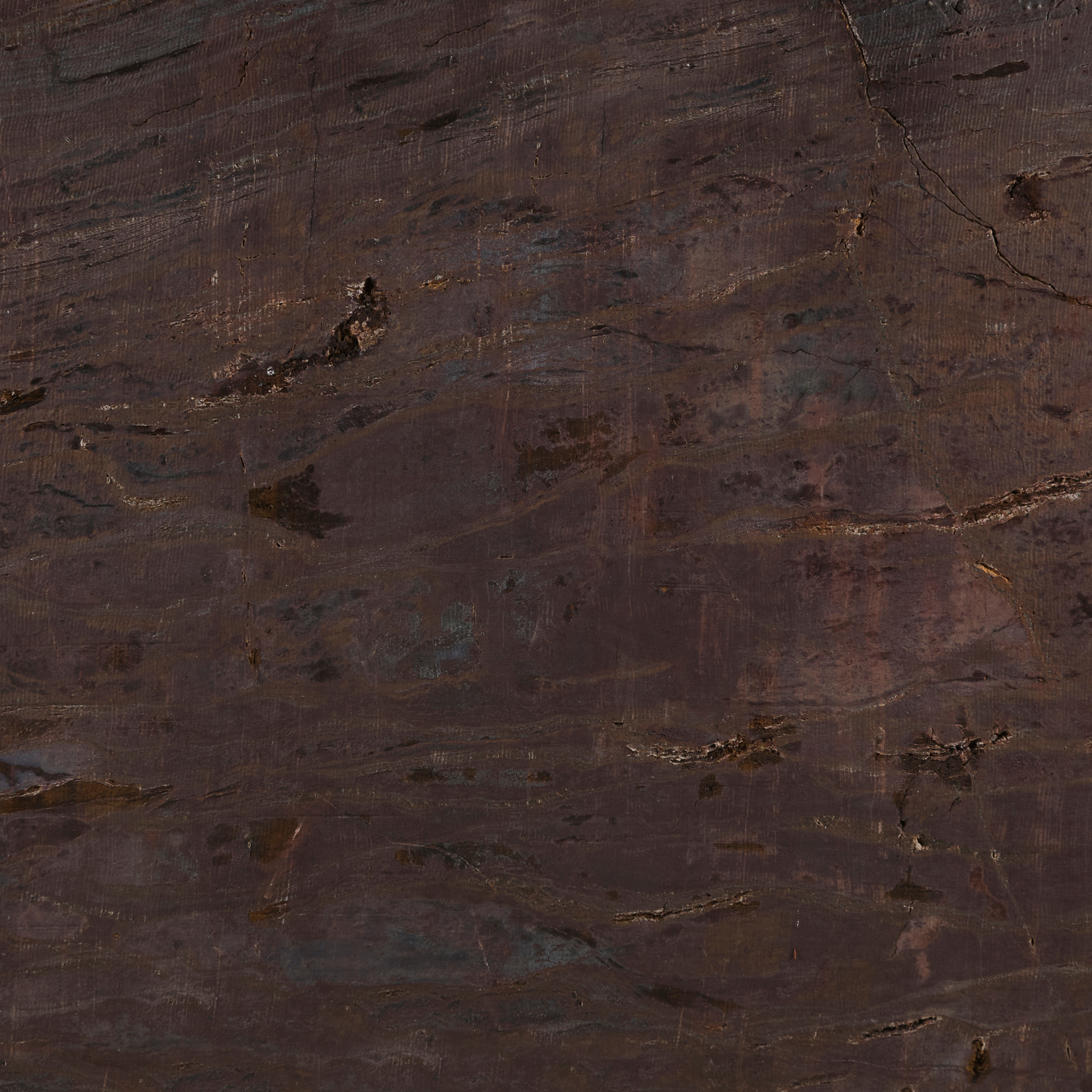
Bronzite Vintage
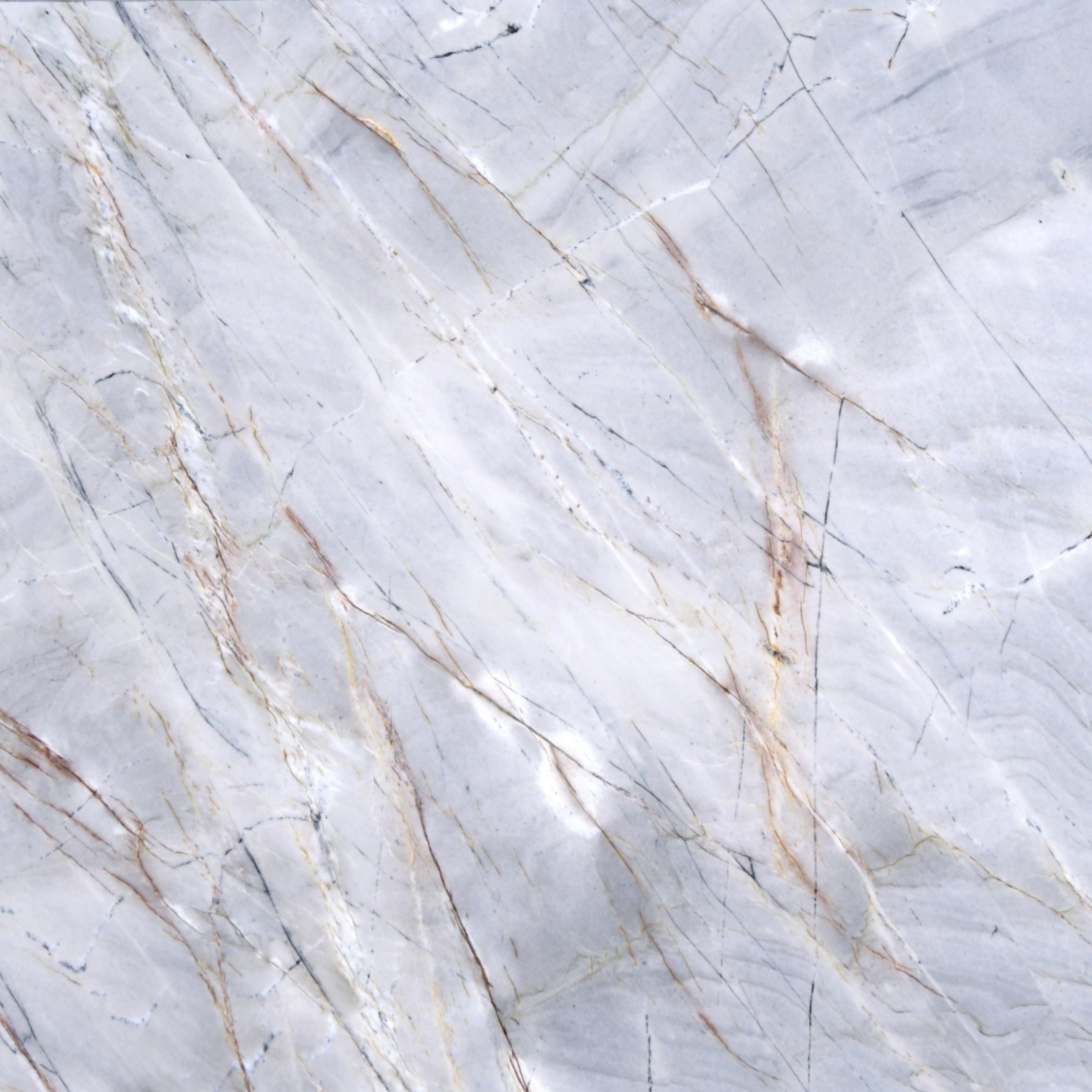
Ijen Blue
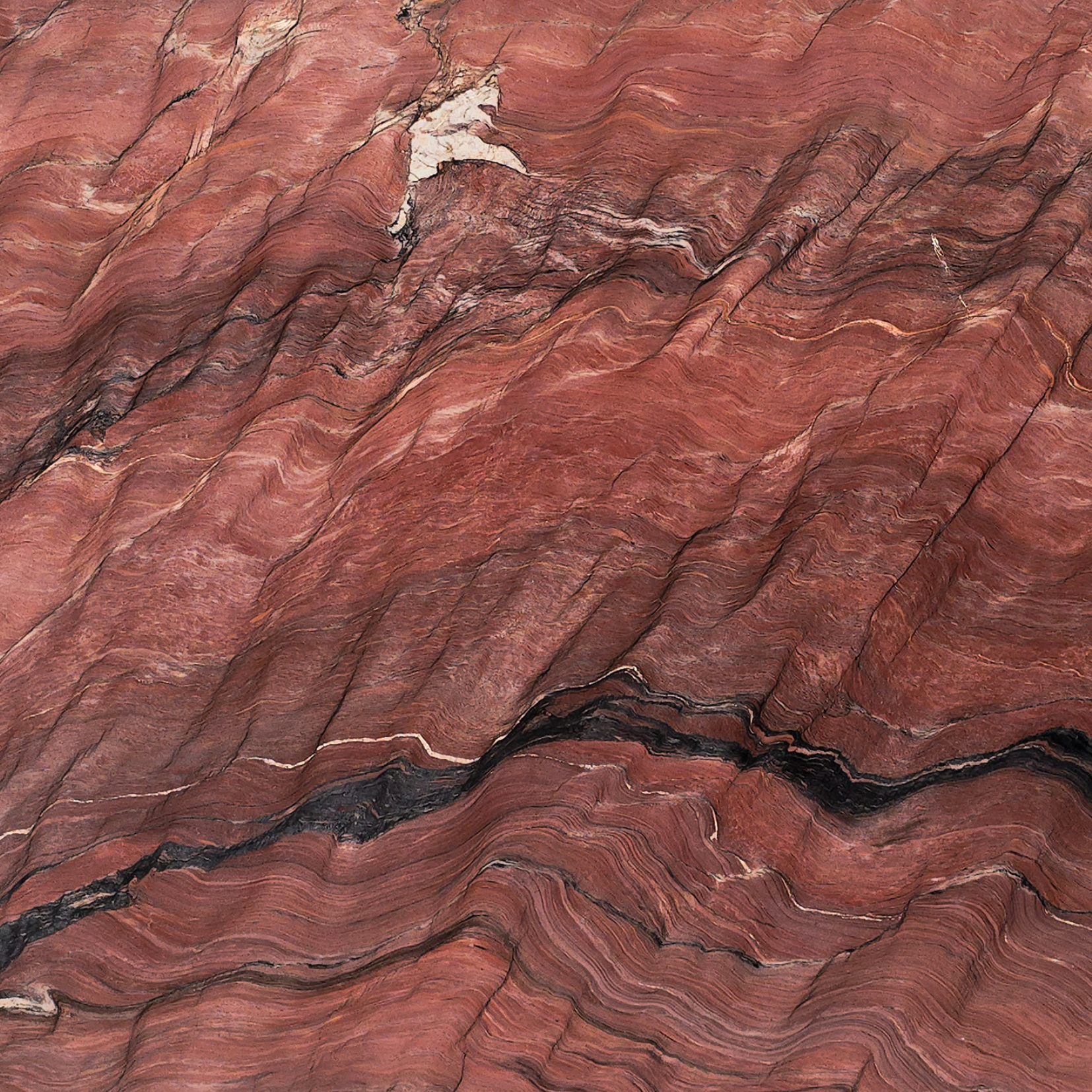
Fusion Revolution
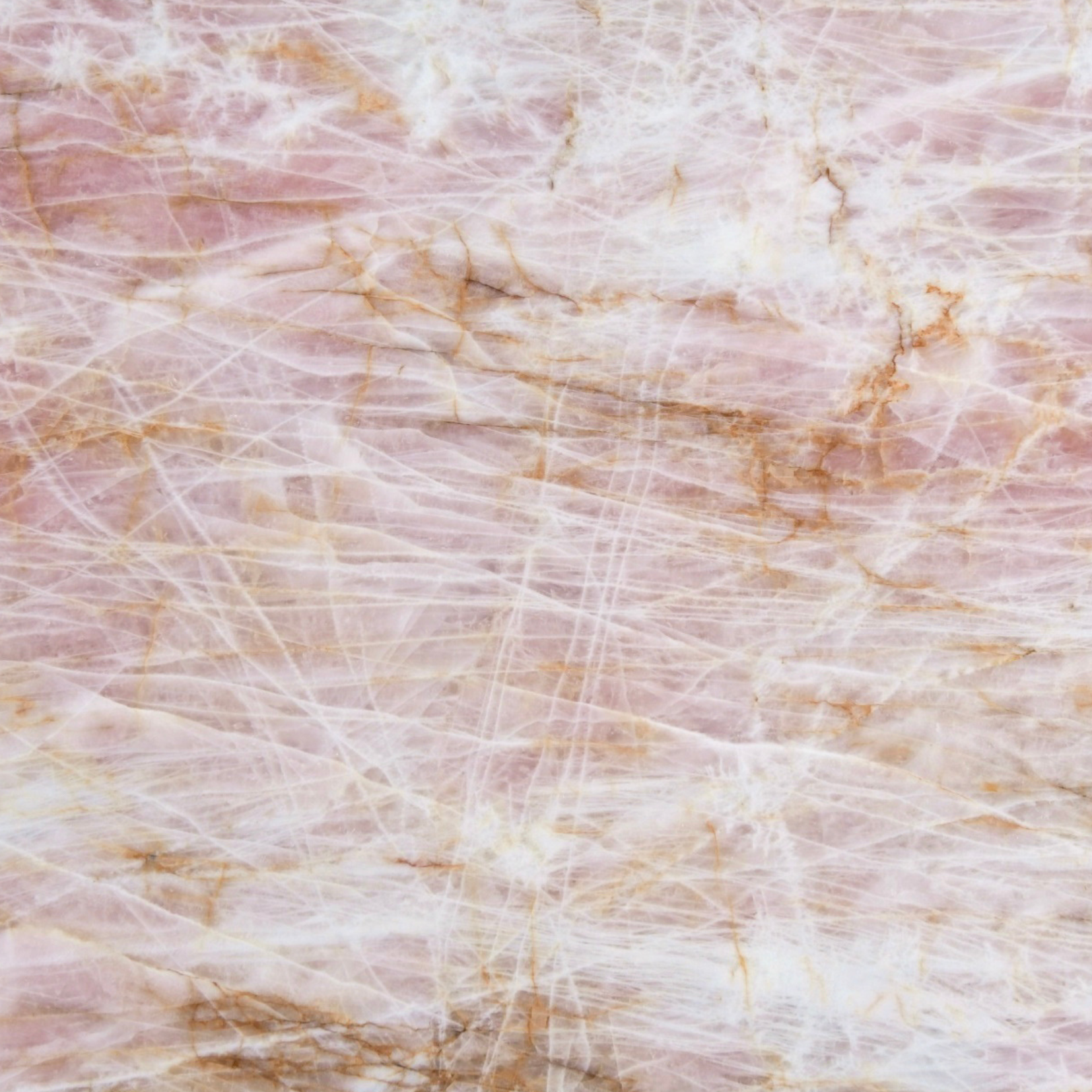
Pink Crystal
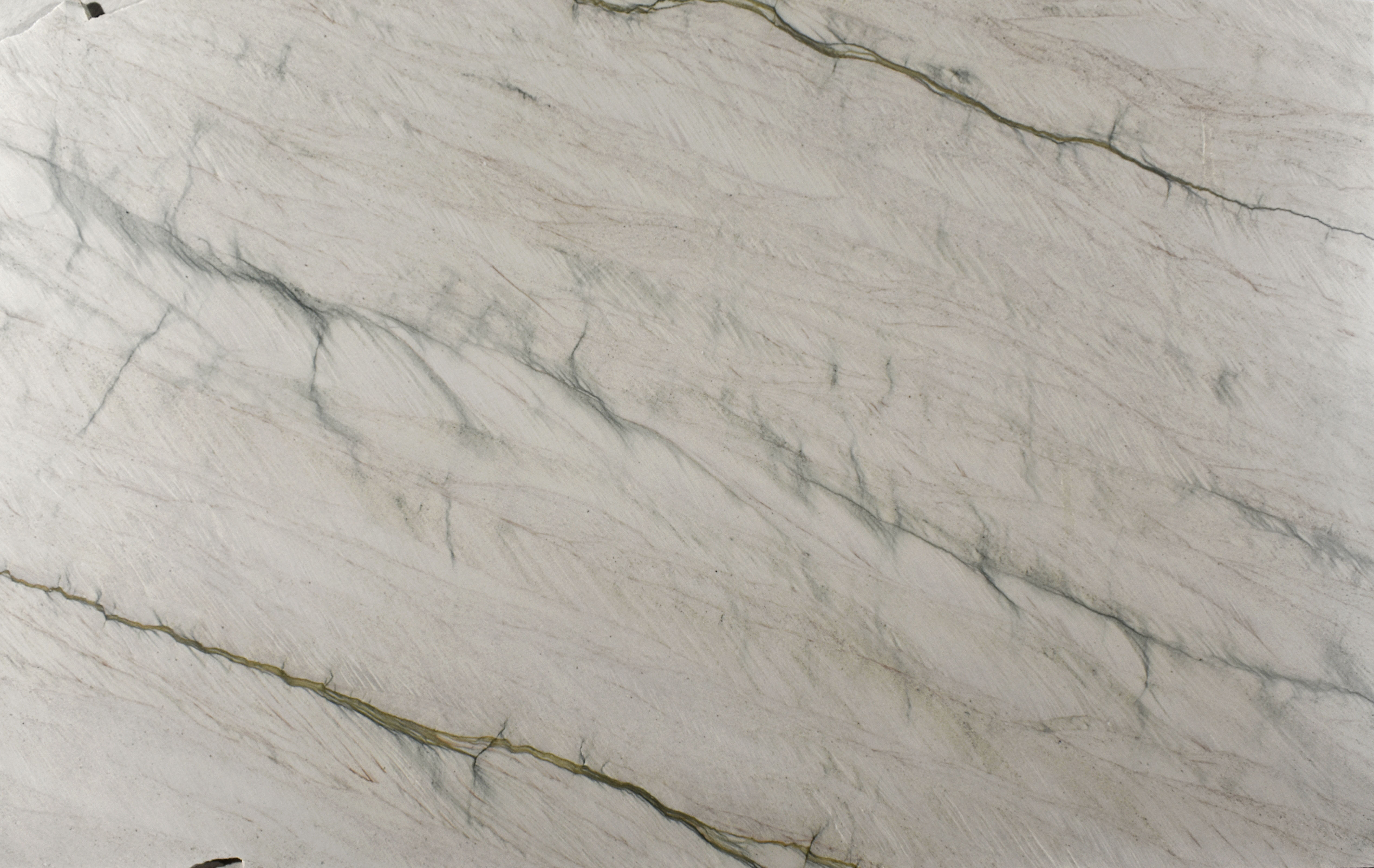
Meridian
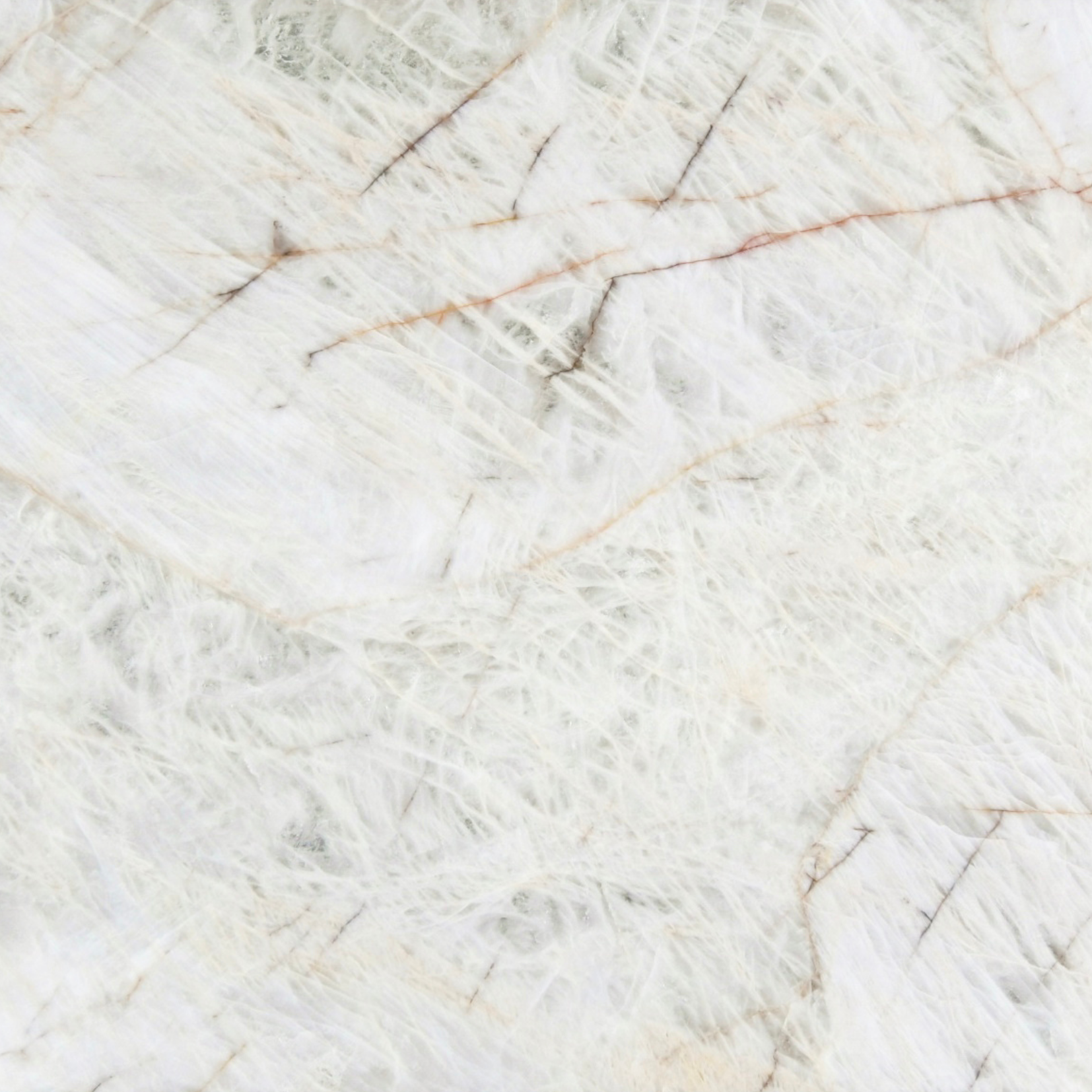
Crystal Diamond

Explosion

Denali
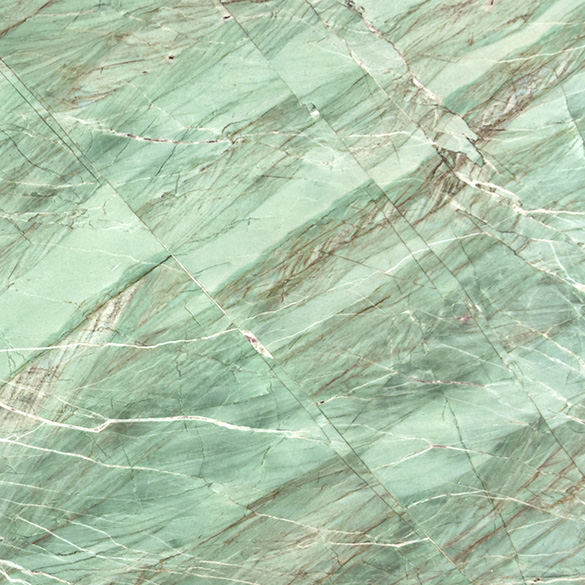
Emerald Lake
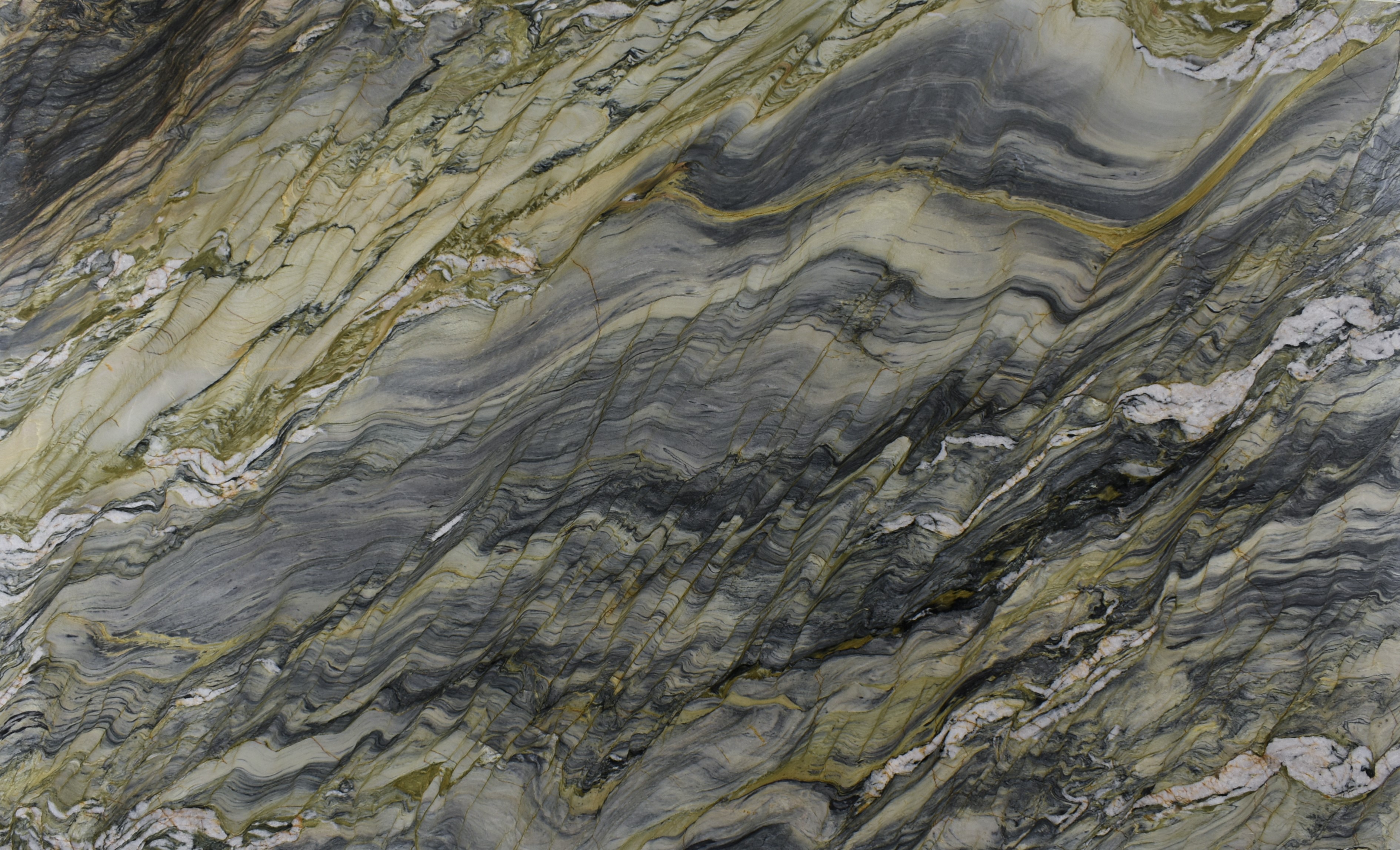
Fusion Fascination
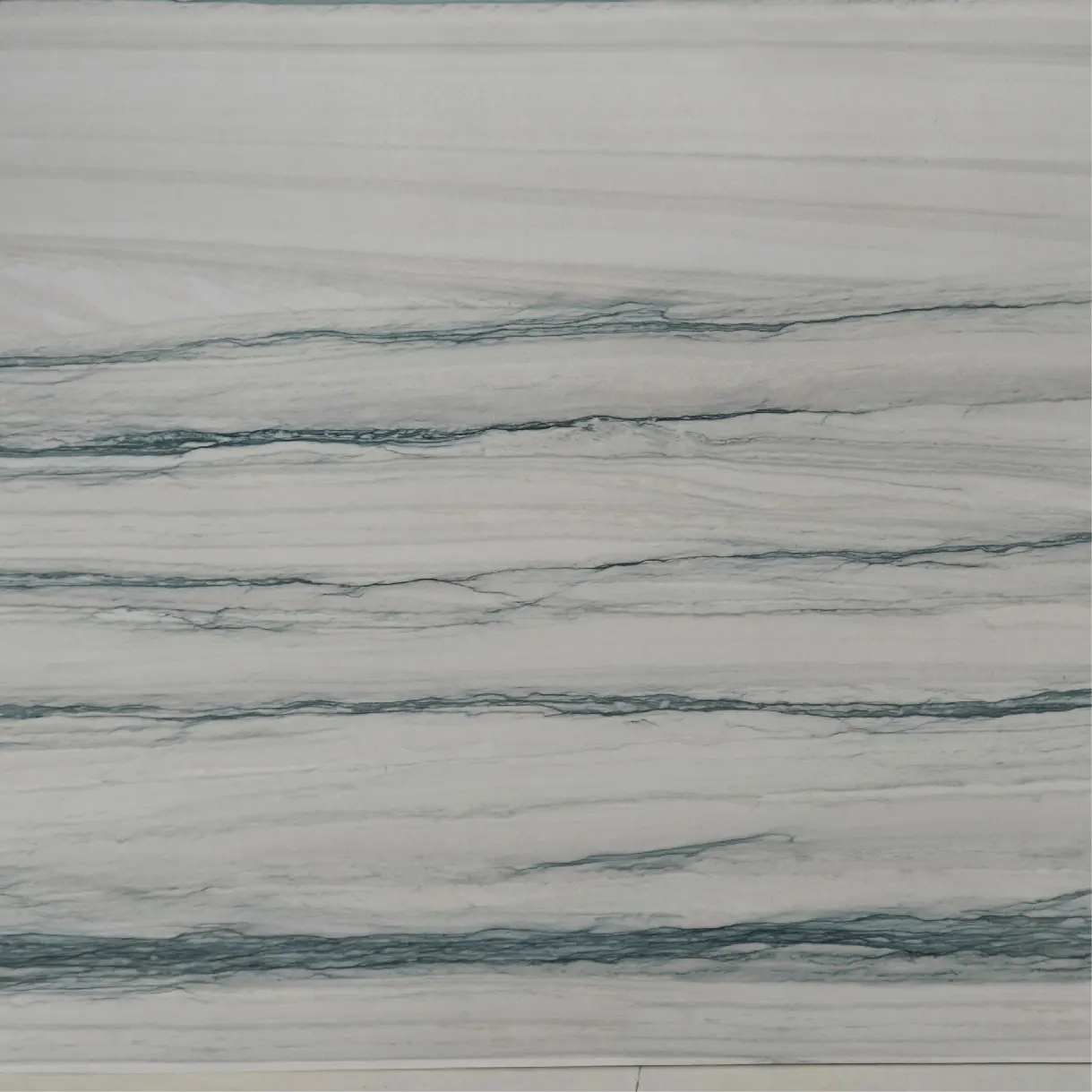
Perla Grey
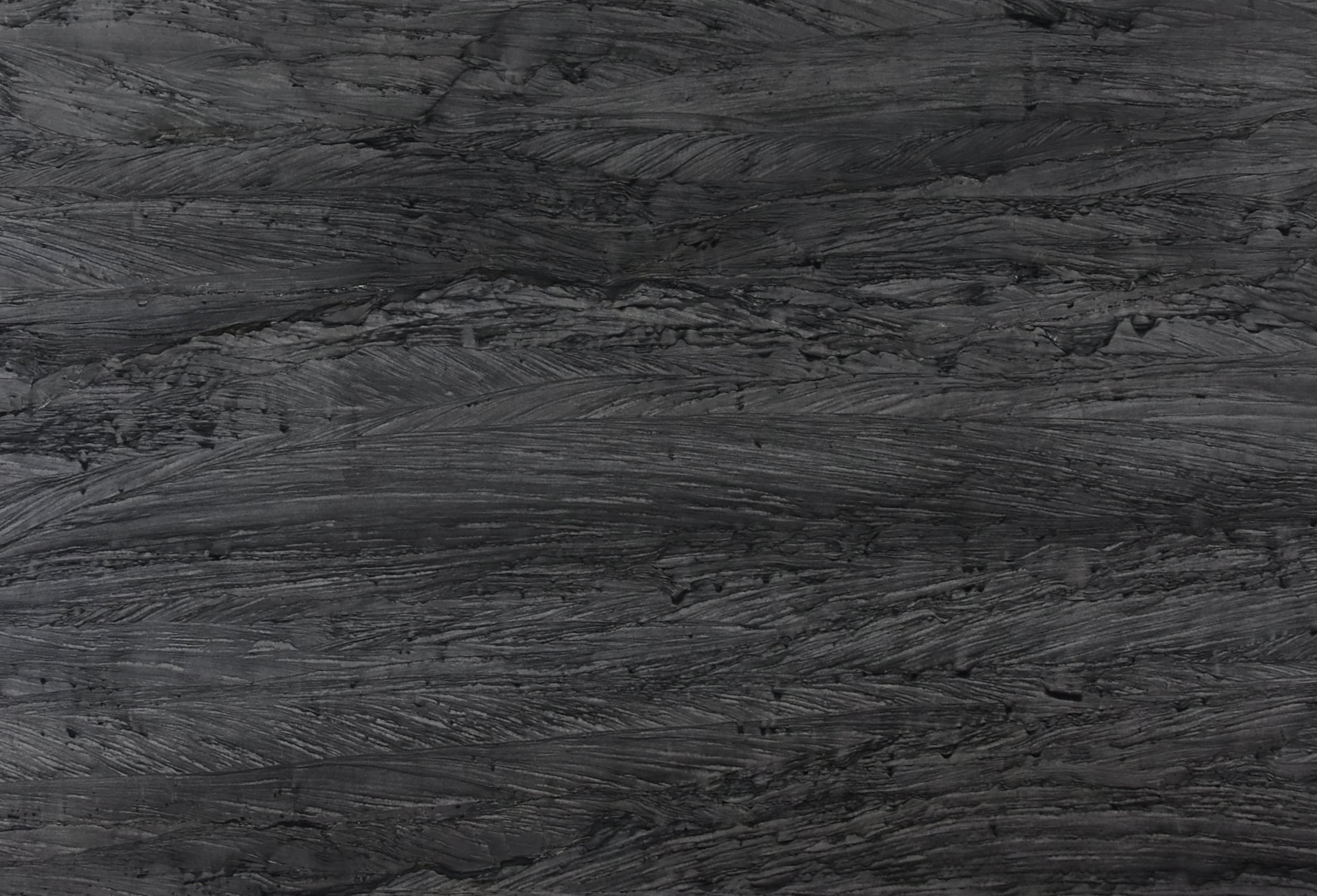
Incognitus
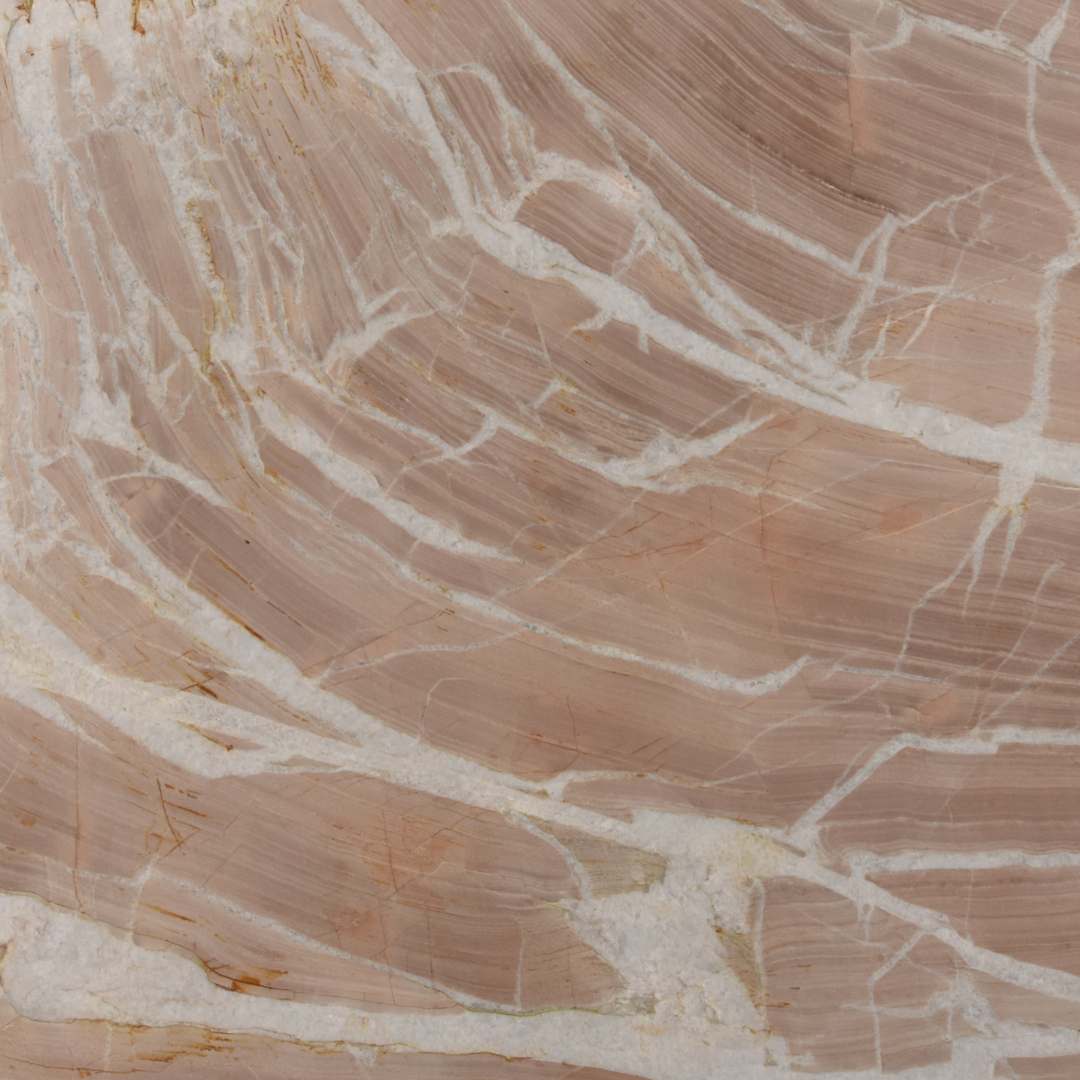
Splendido
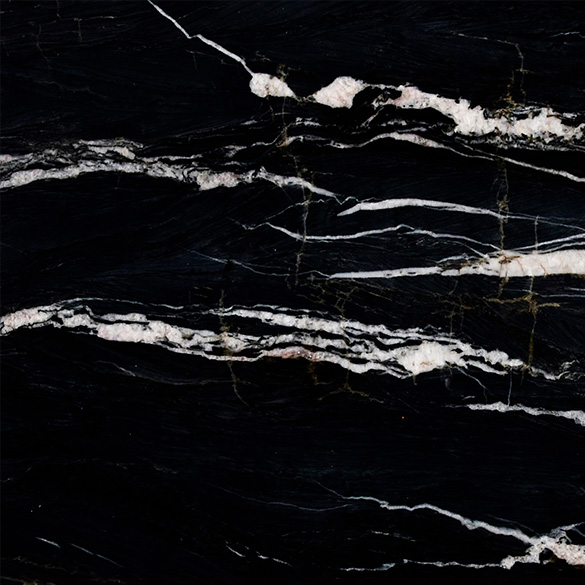
Mandrake
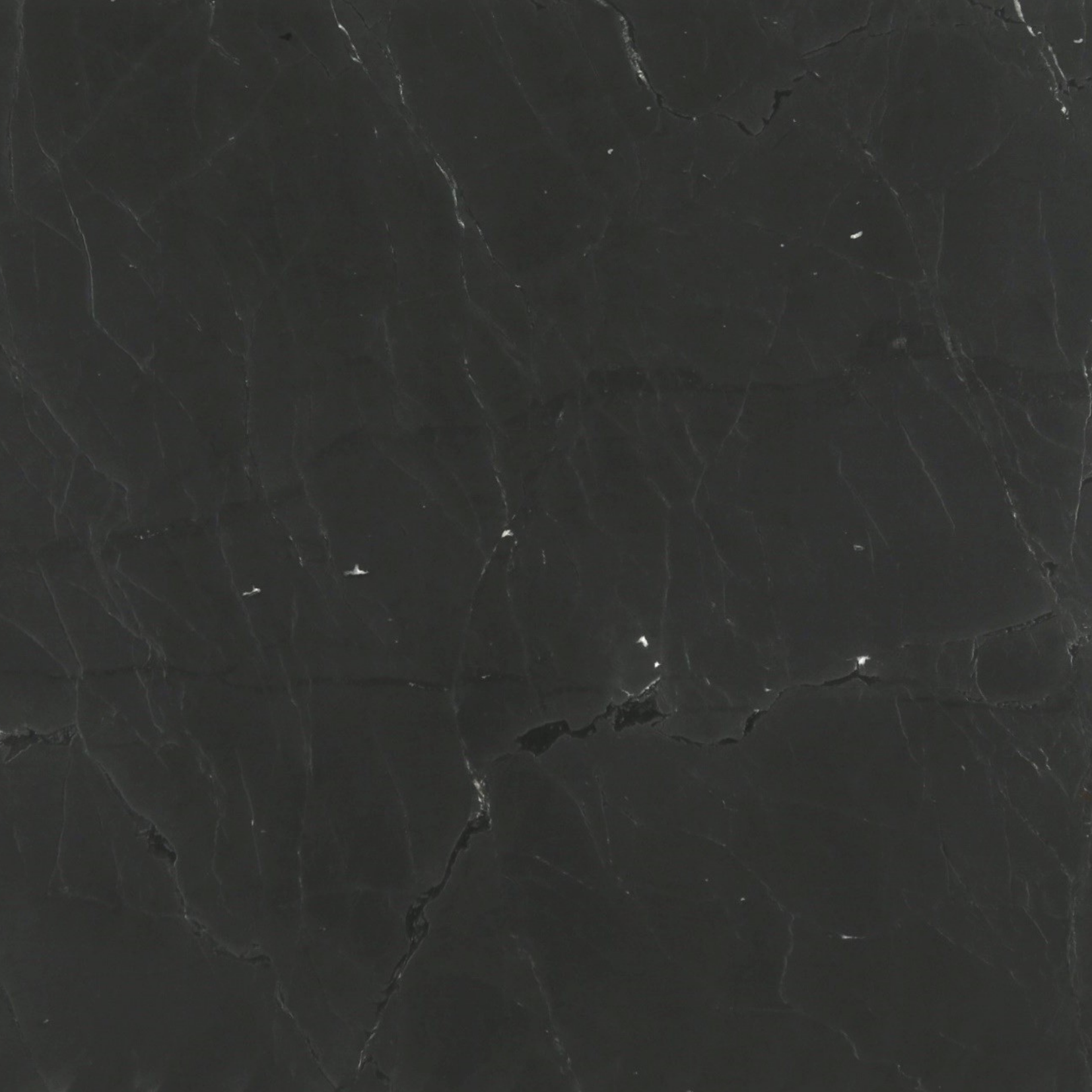
Diamond Black
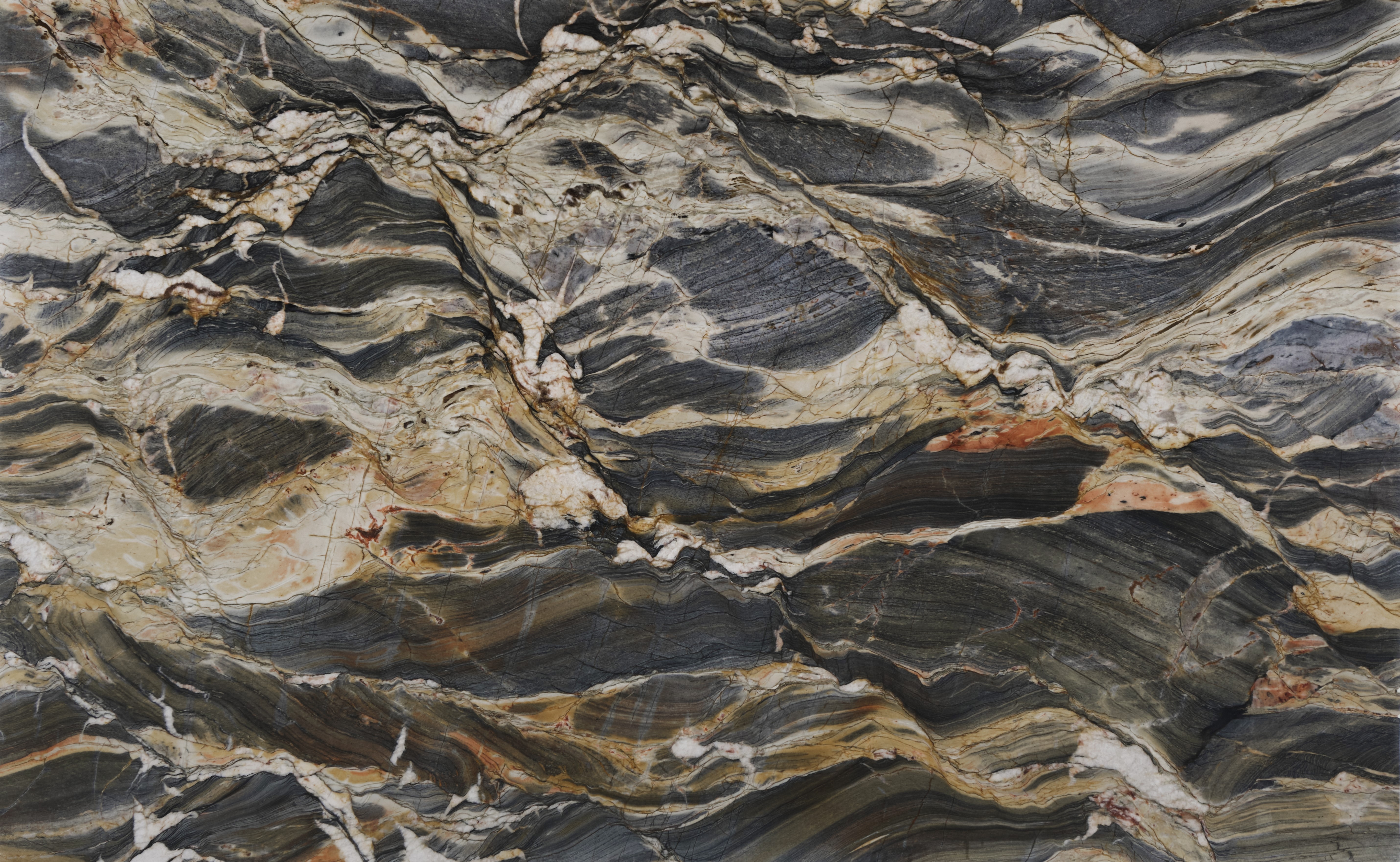
Colorado
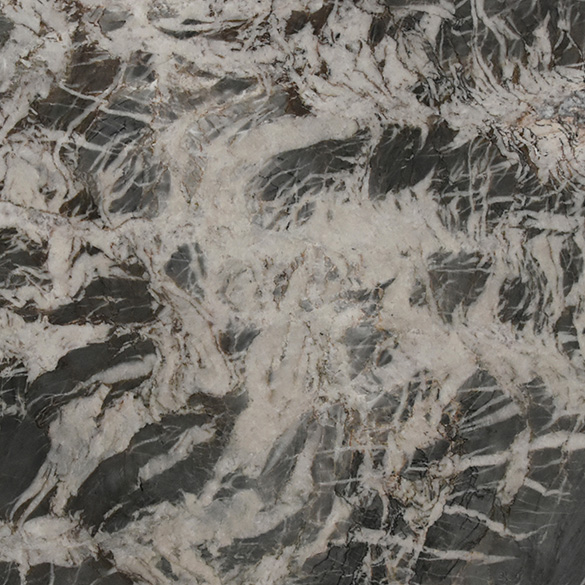
Vittara
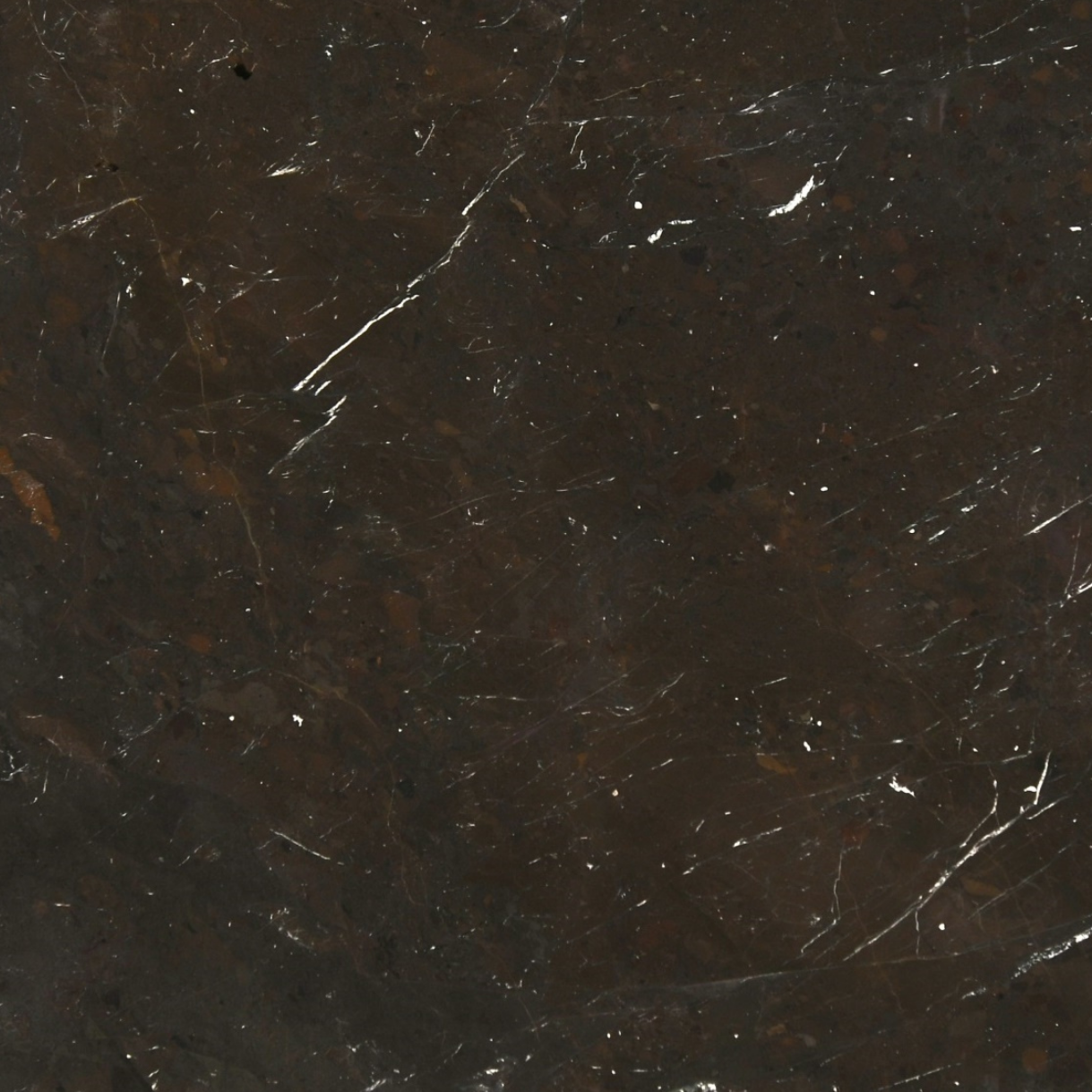
Breccia Imperiale
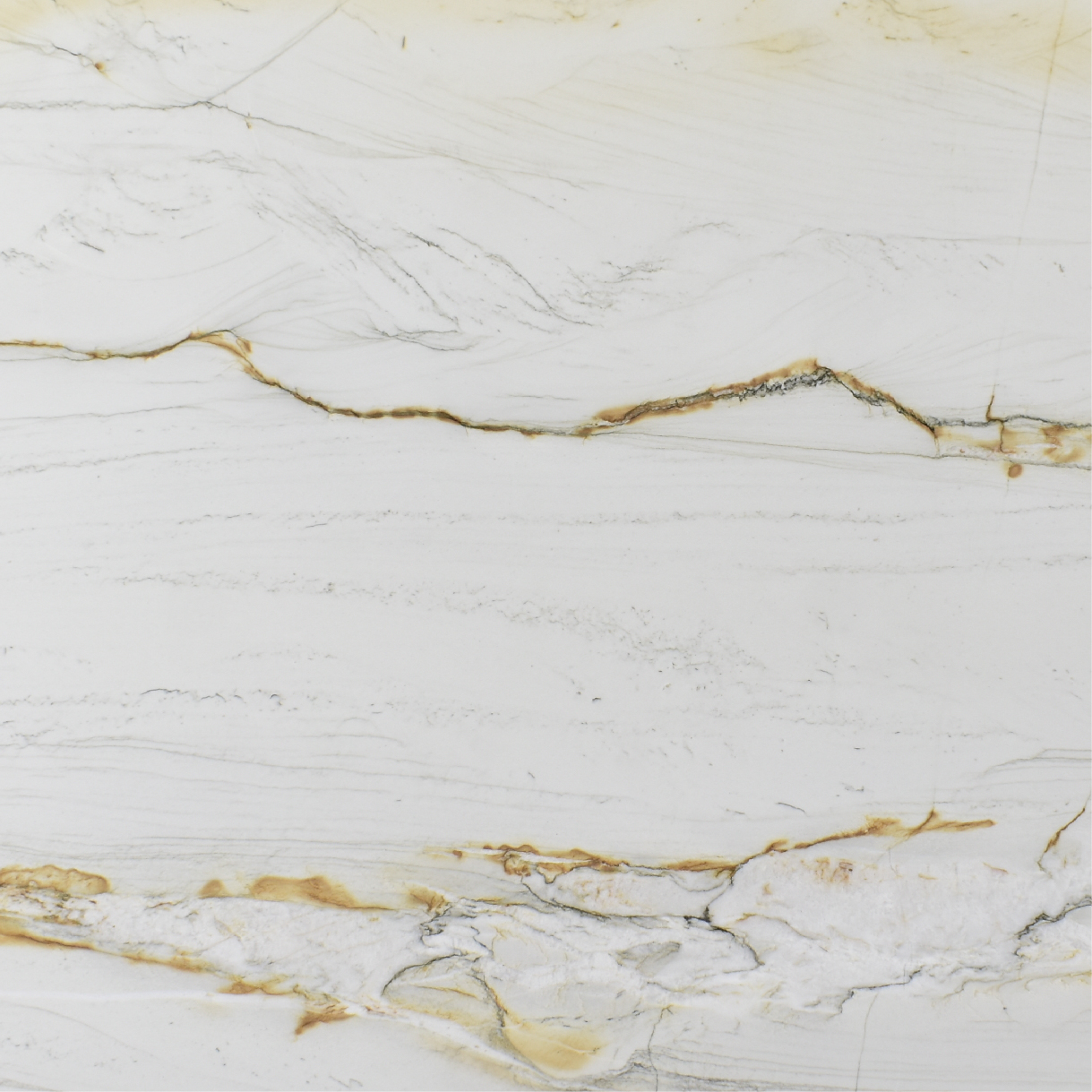
Mont Blanc Gold
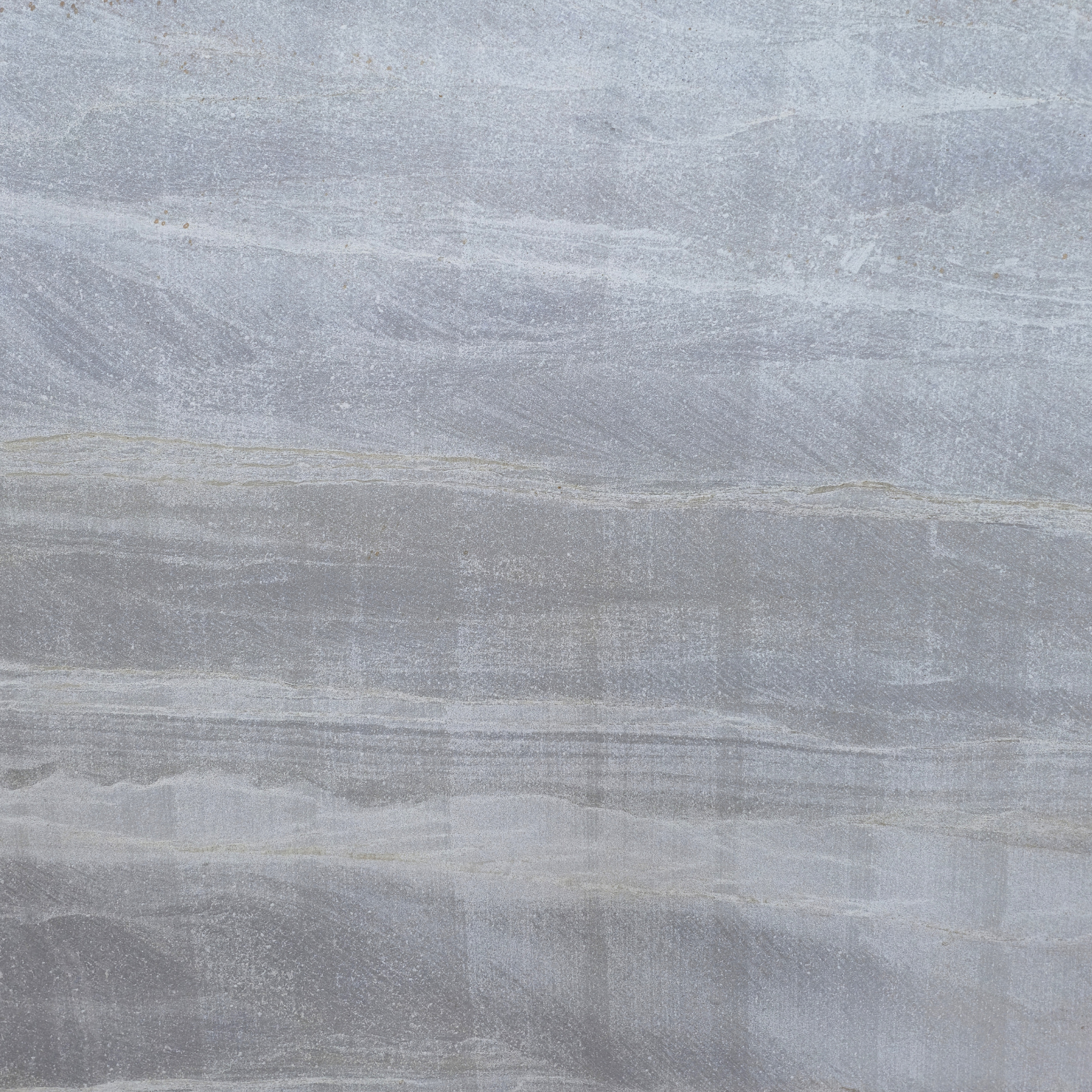
Atlantis
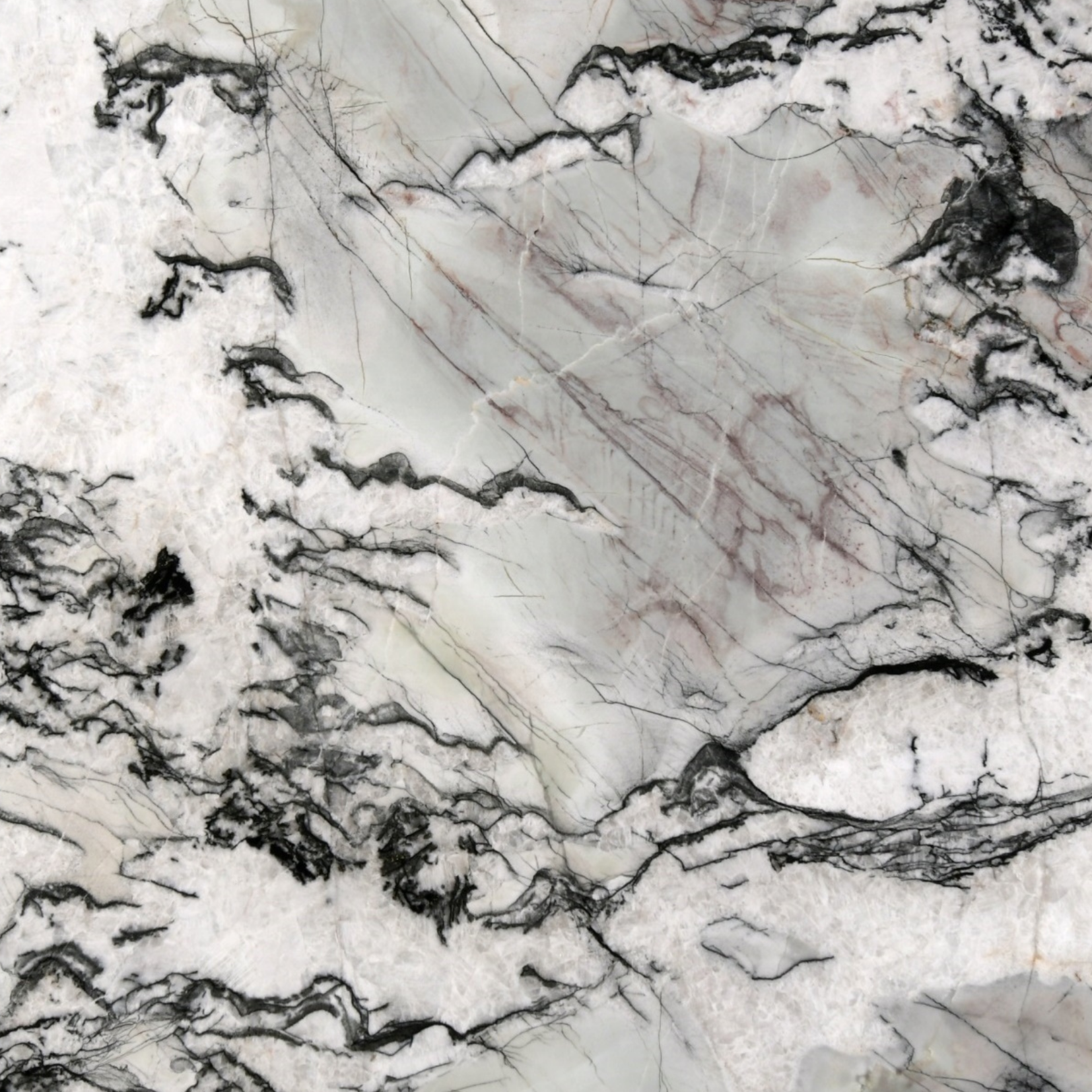
Bonsai
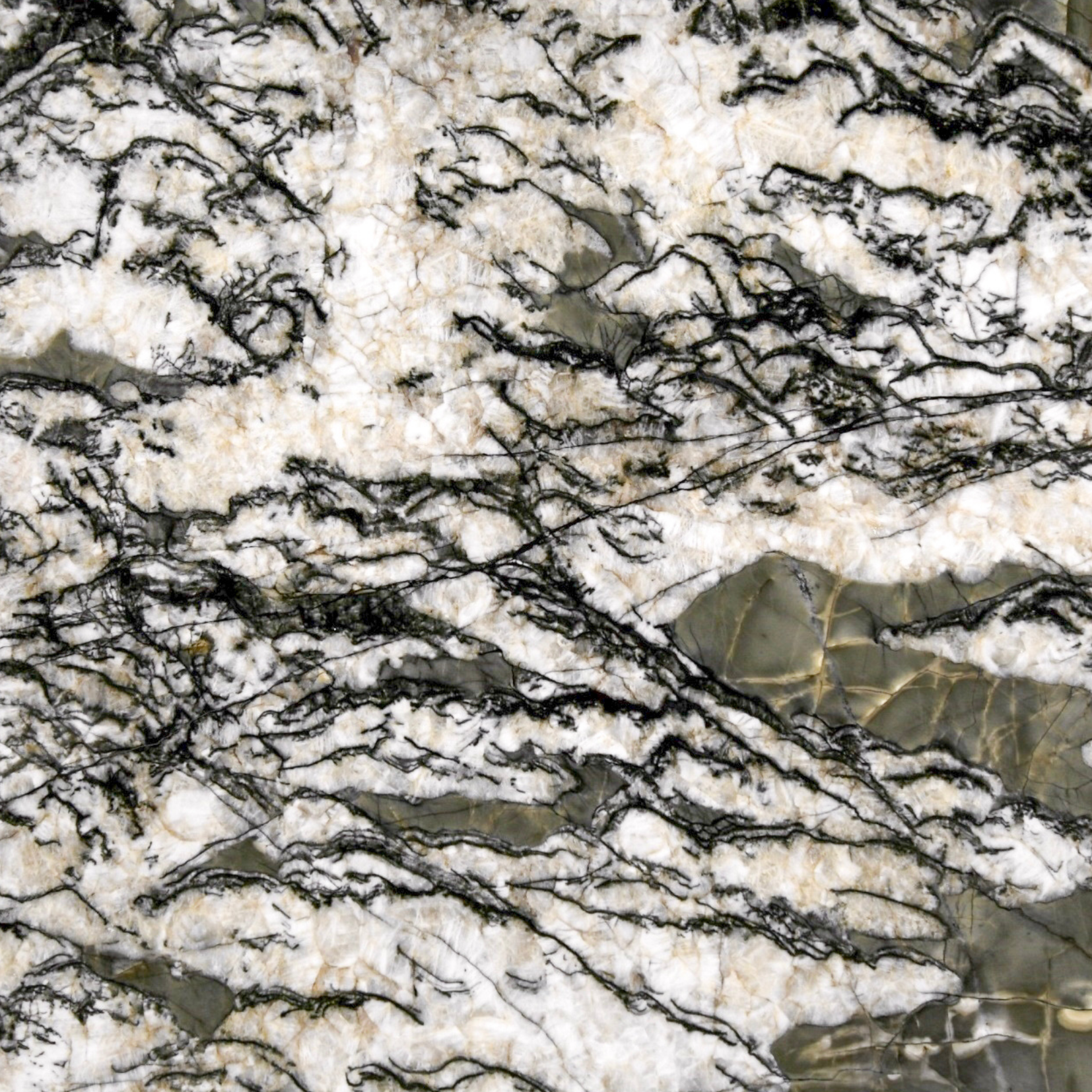
Camelot
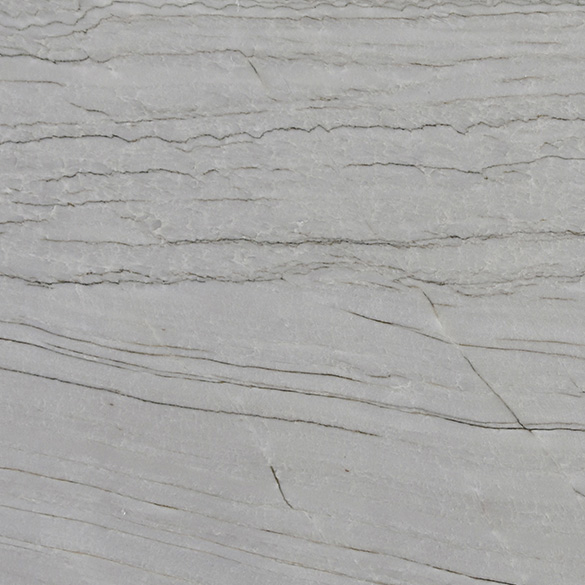
White Pearl
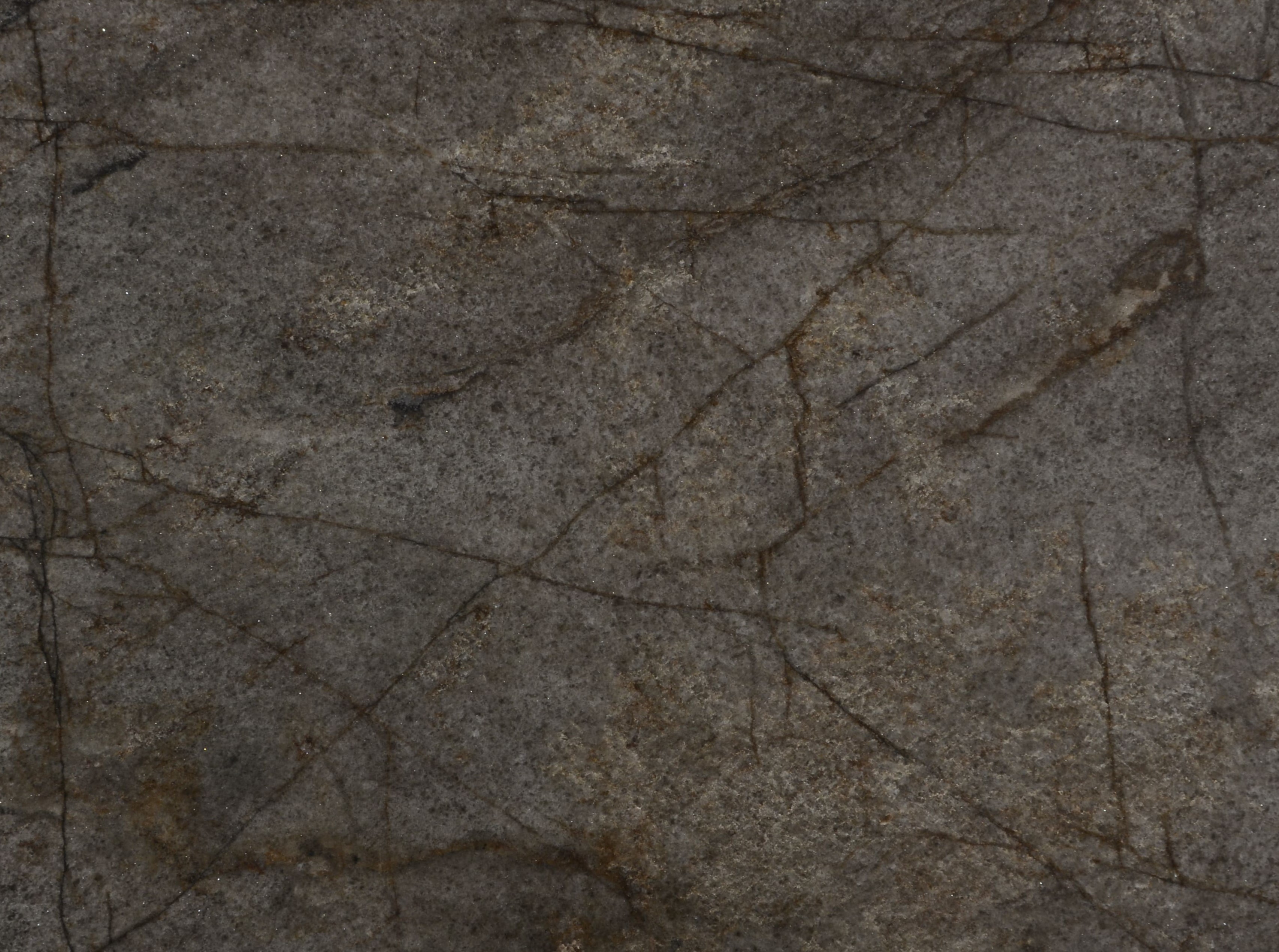
Notte Stellata
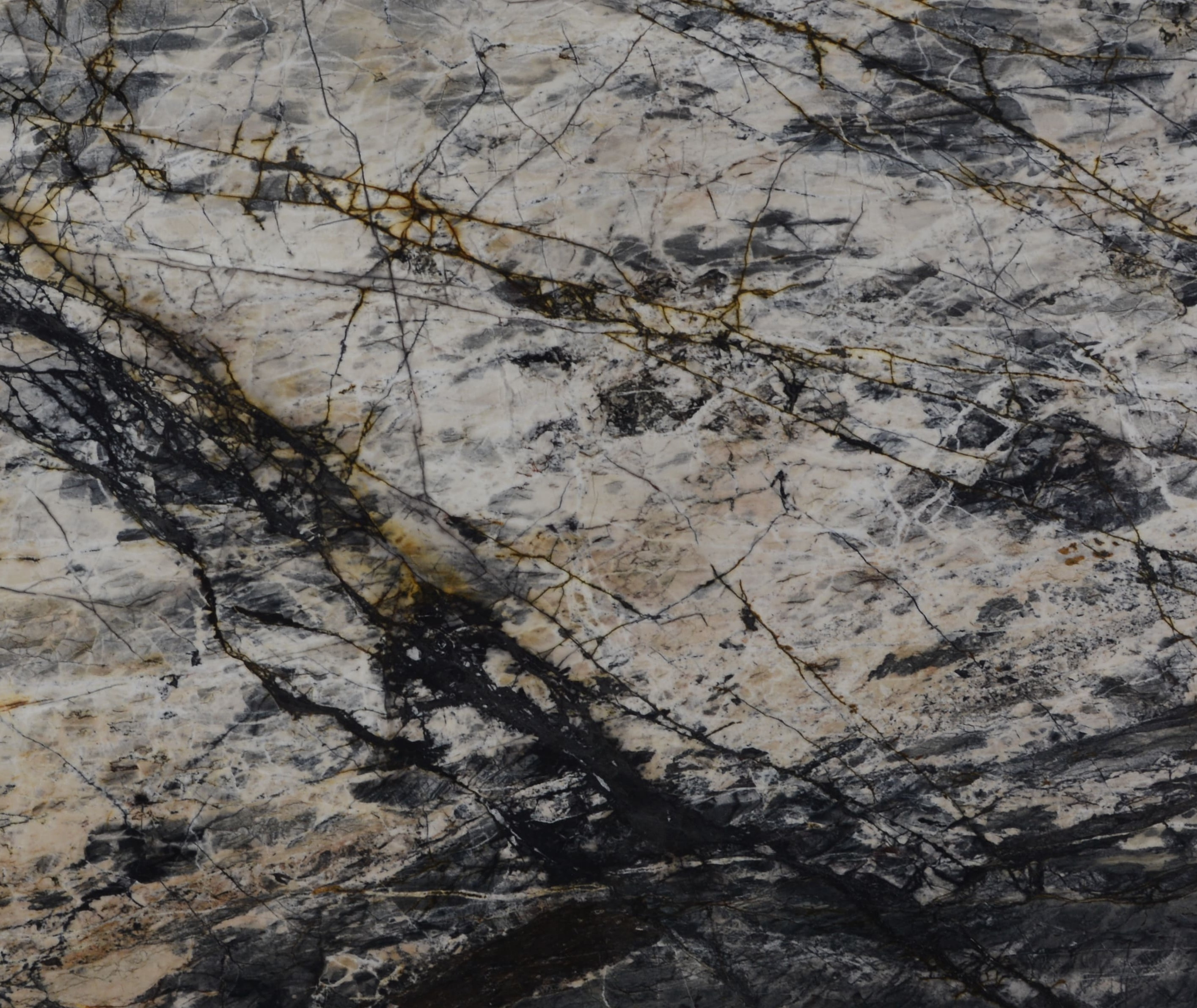
Iron Blue
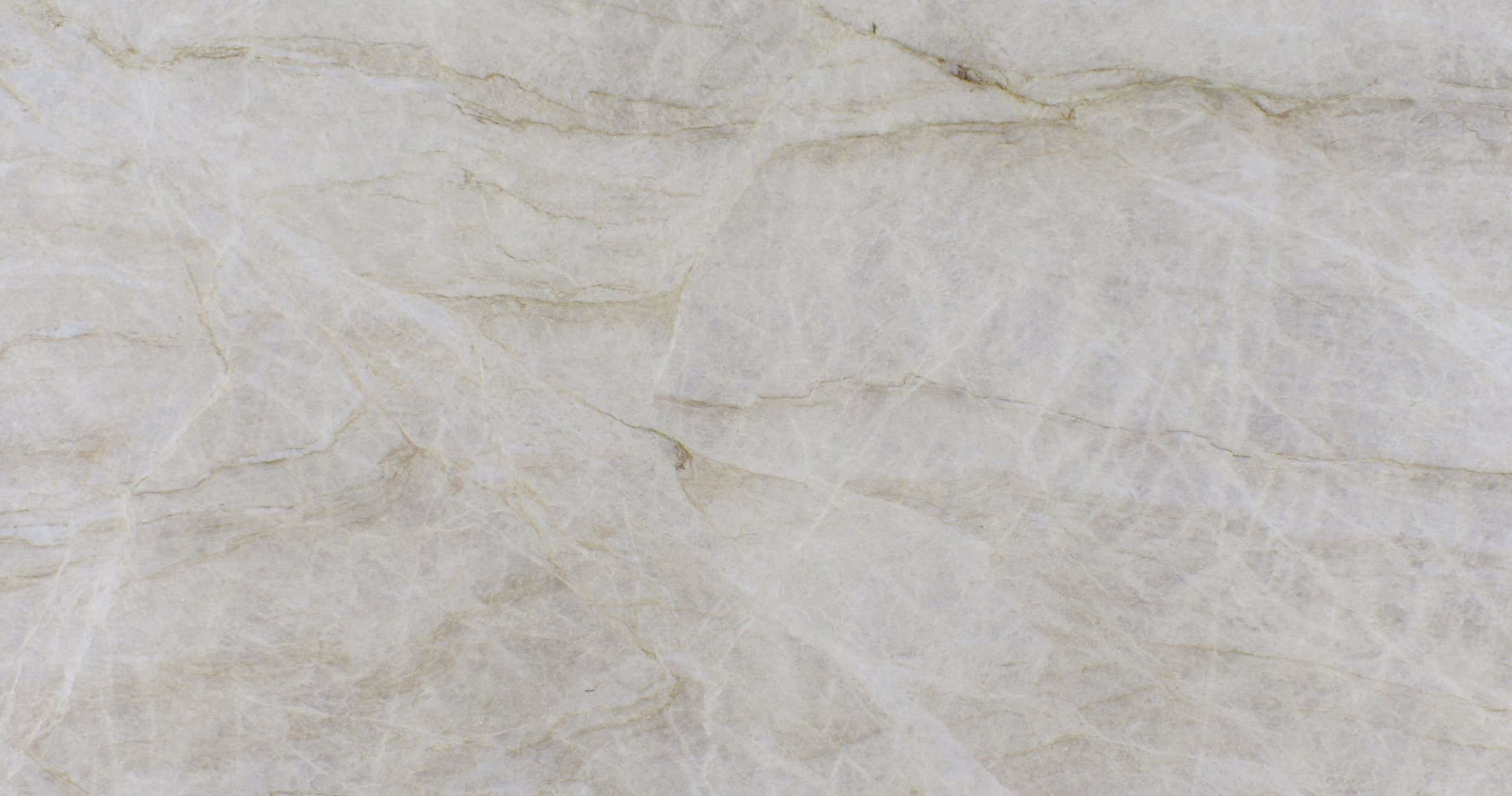
Perla Venata
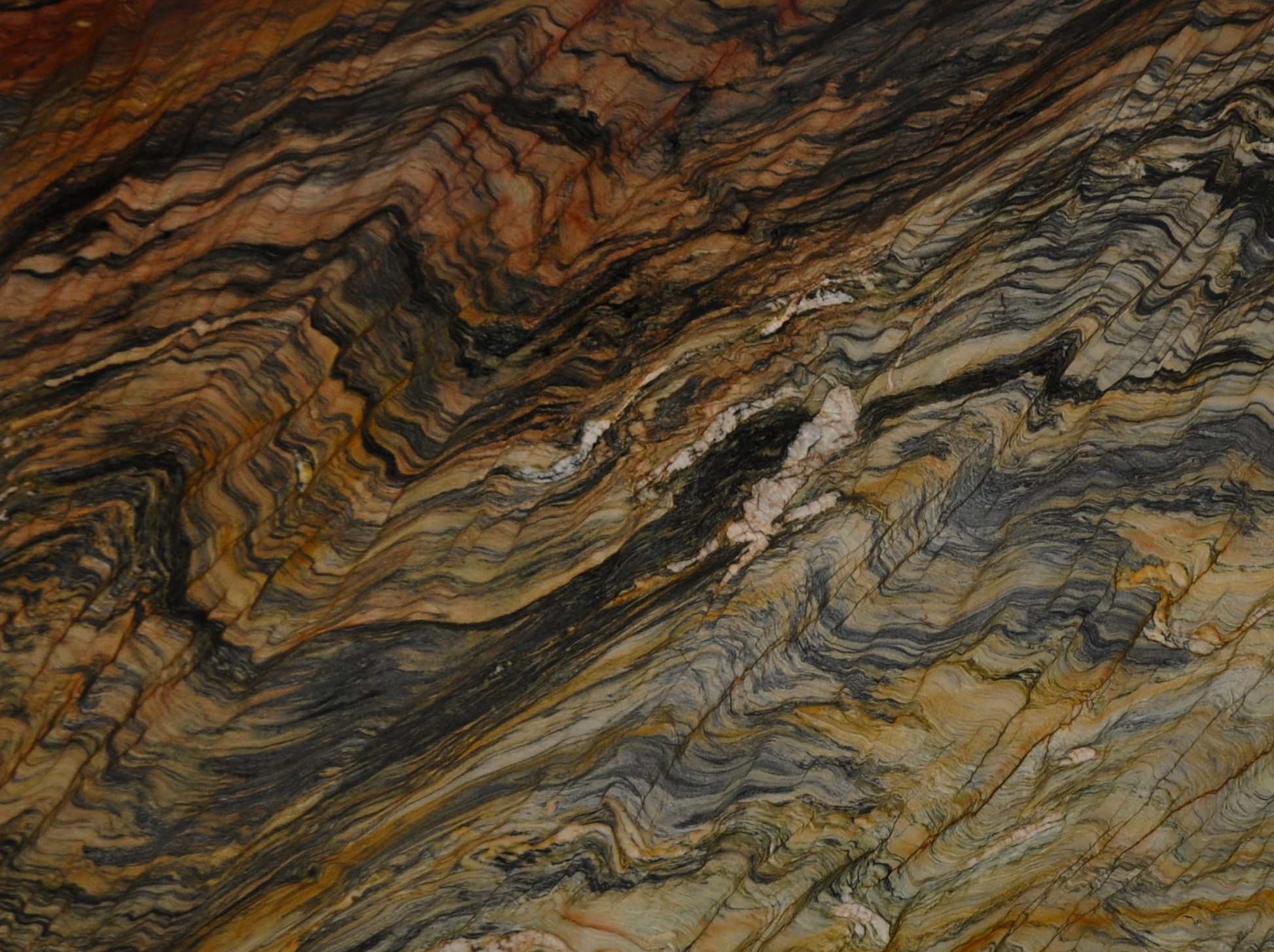
Fusion Red

Fusion Black
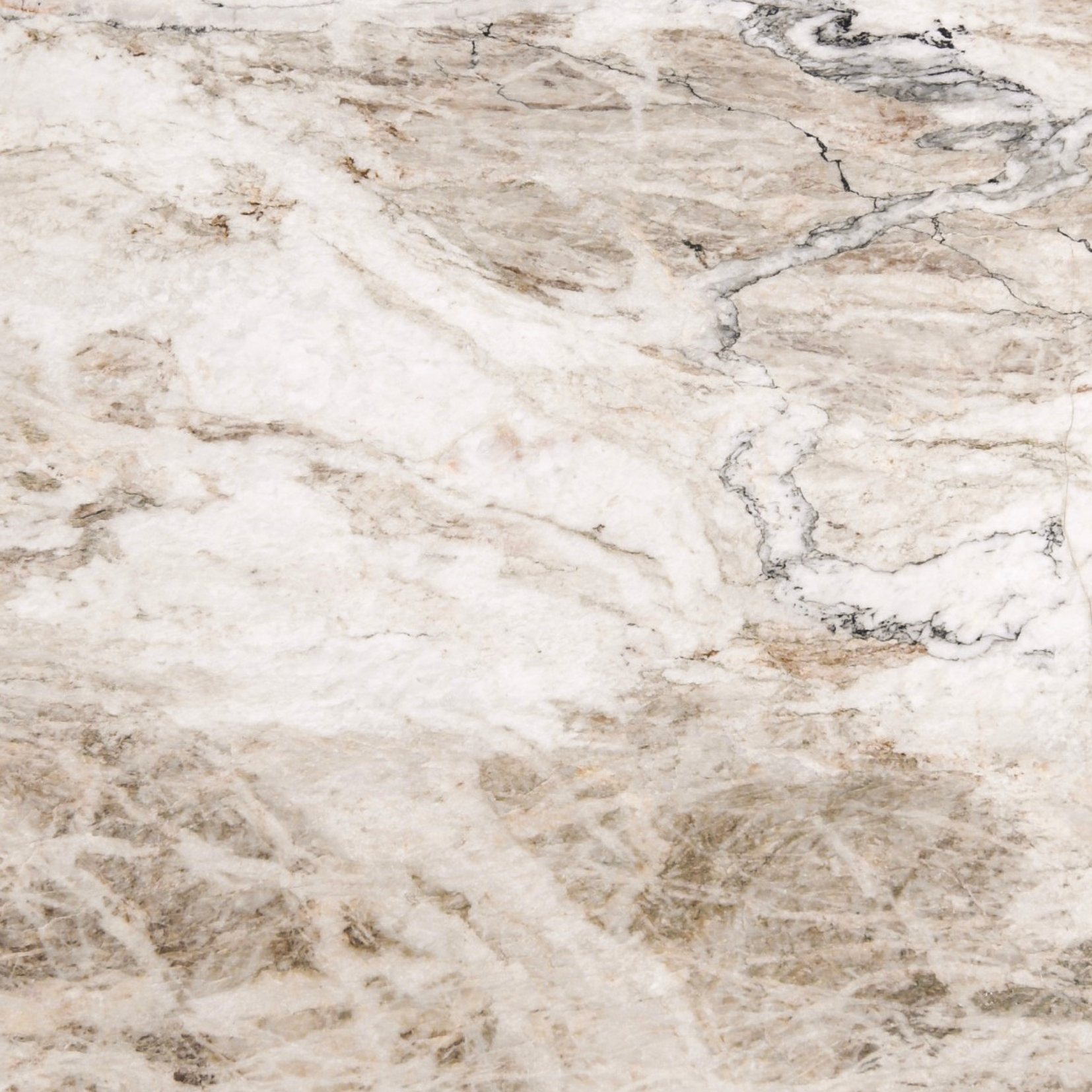
Venaria
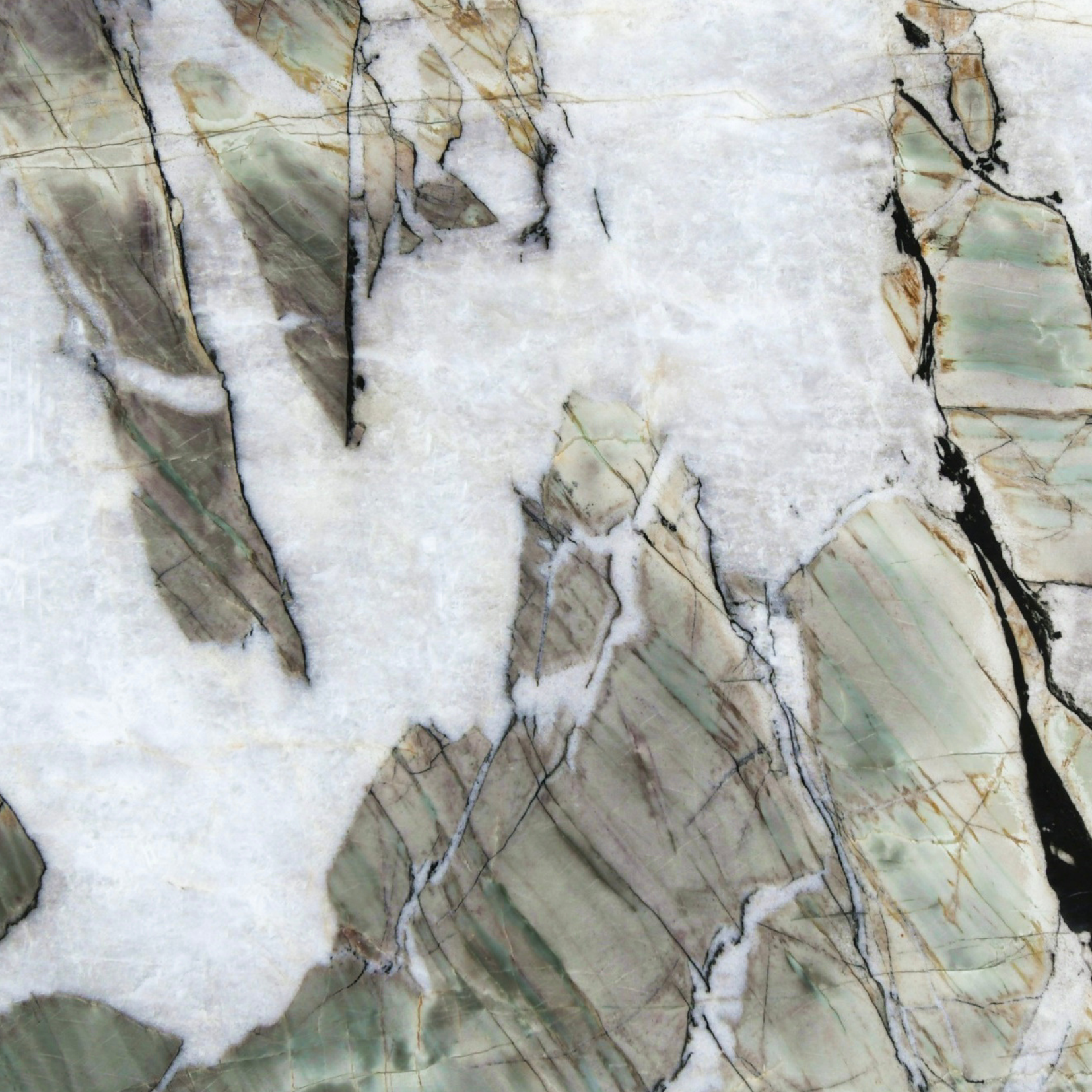
Botanic Green
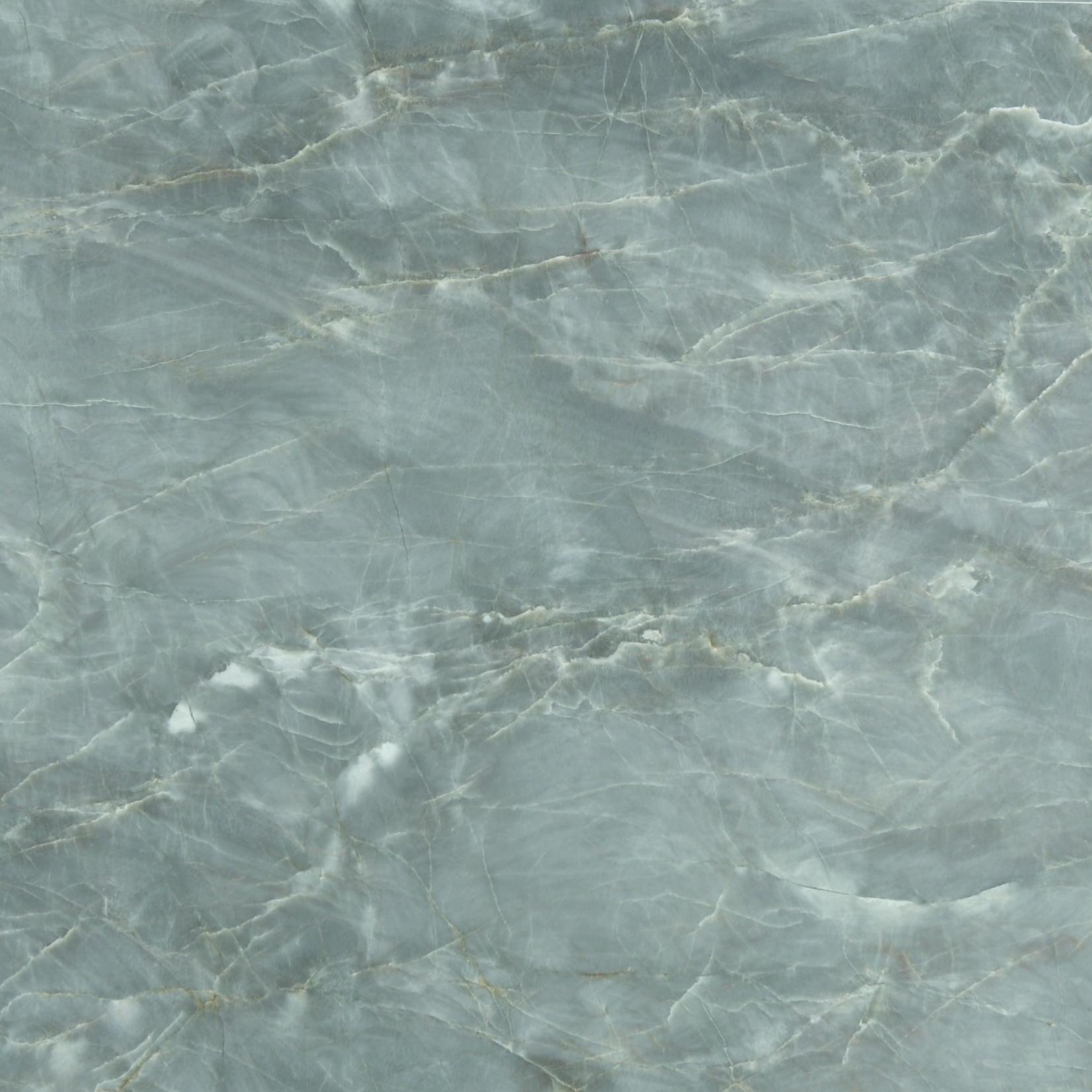
Emerald Green
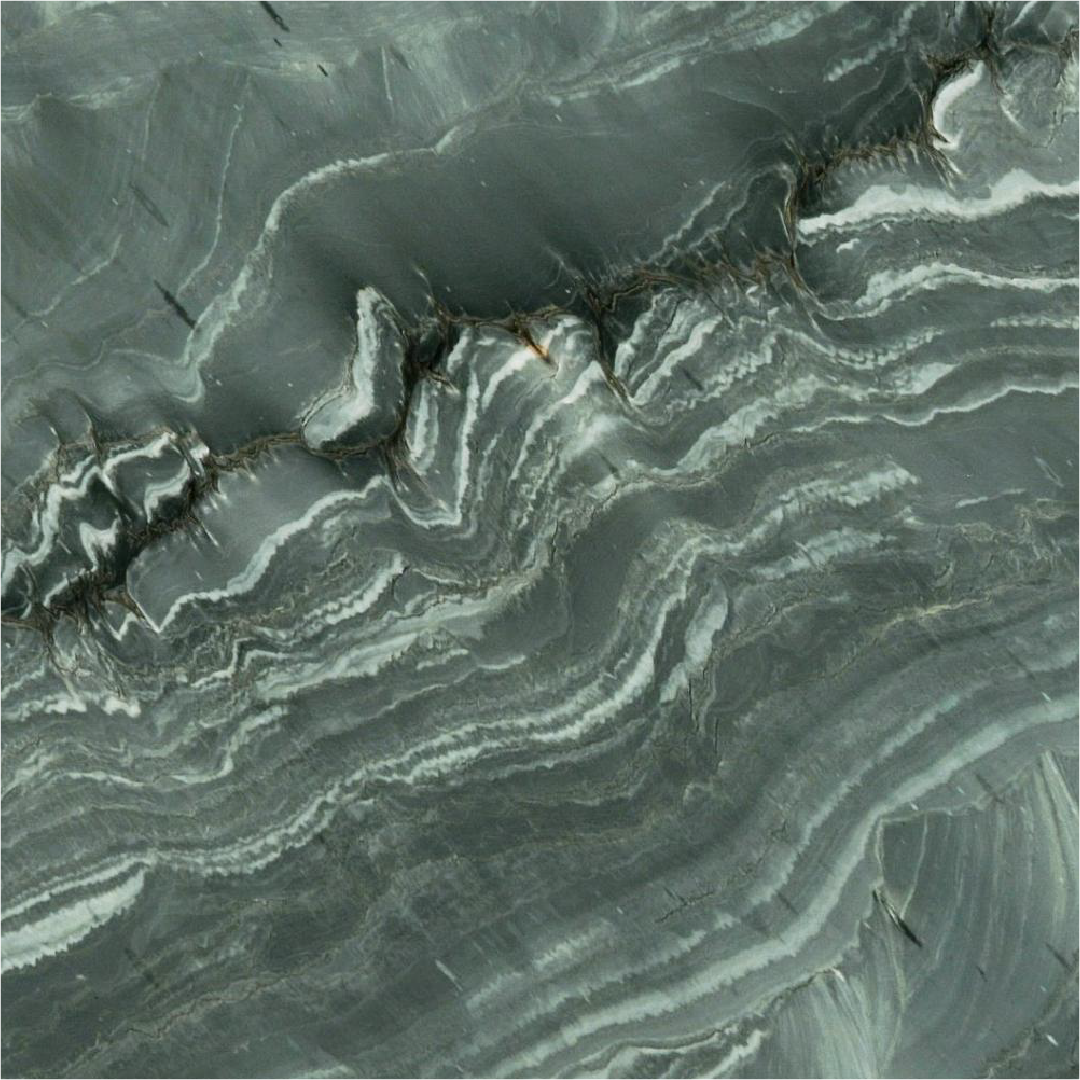
Laguna Bay
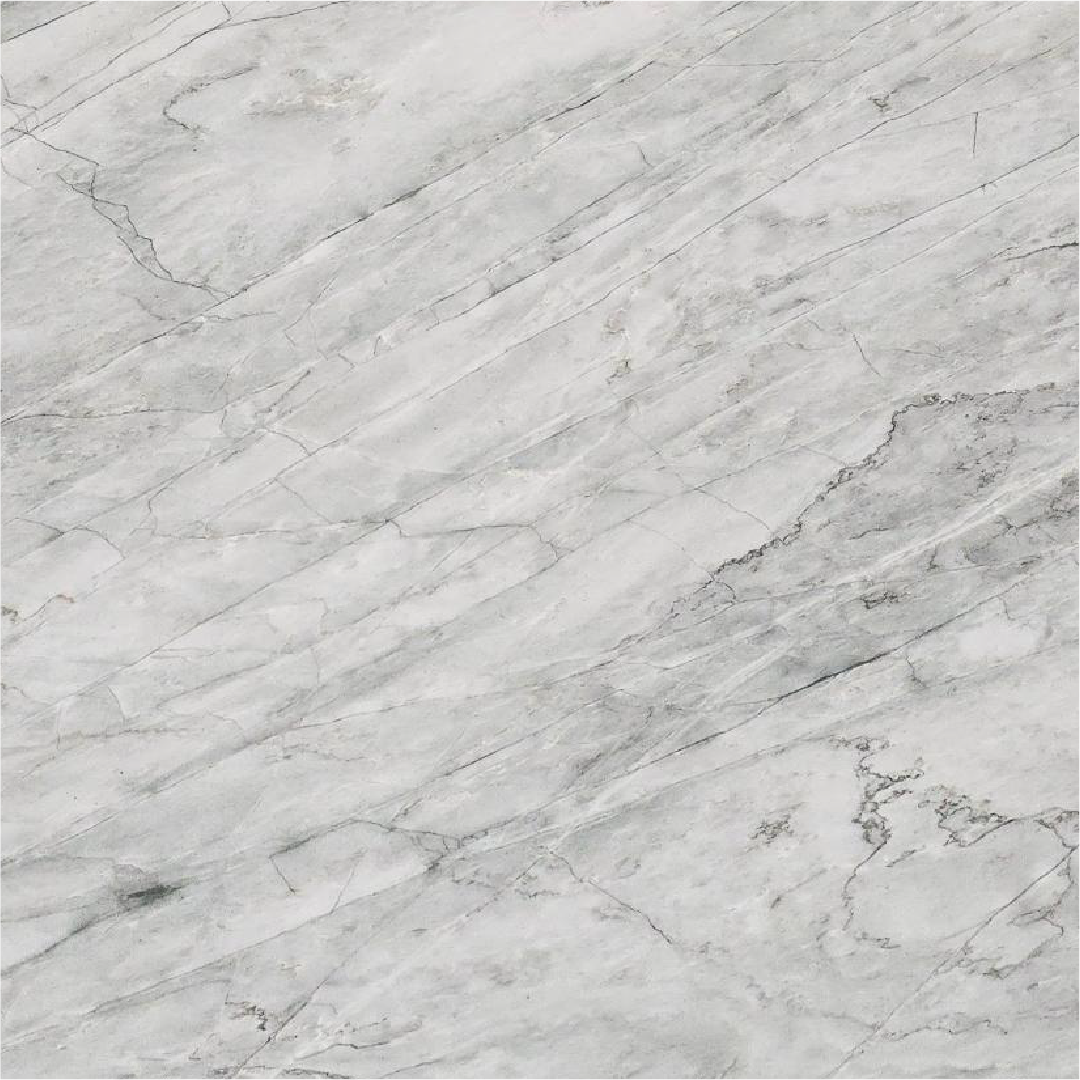
Sea Pearl
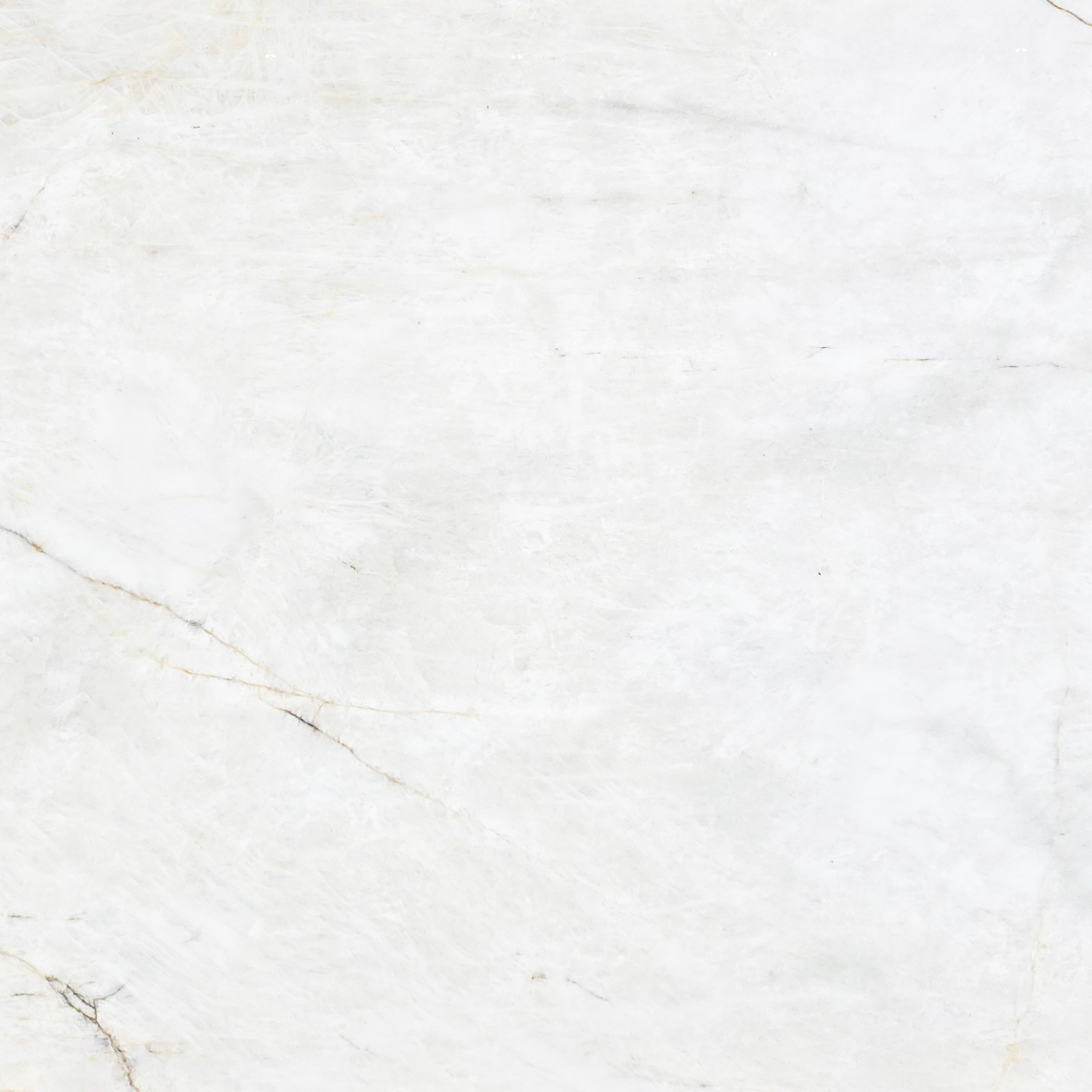
Cristallo Iluminato
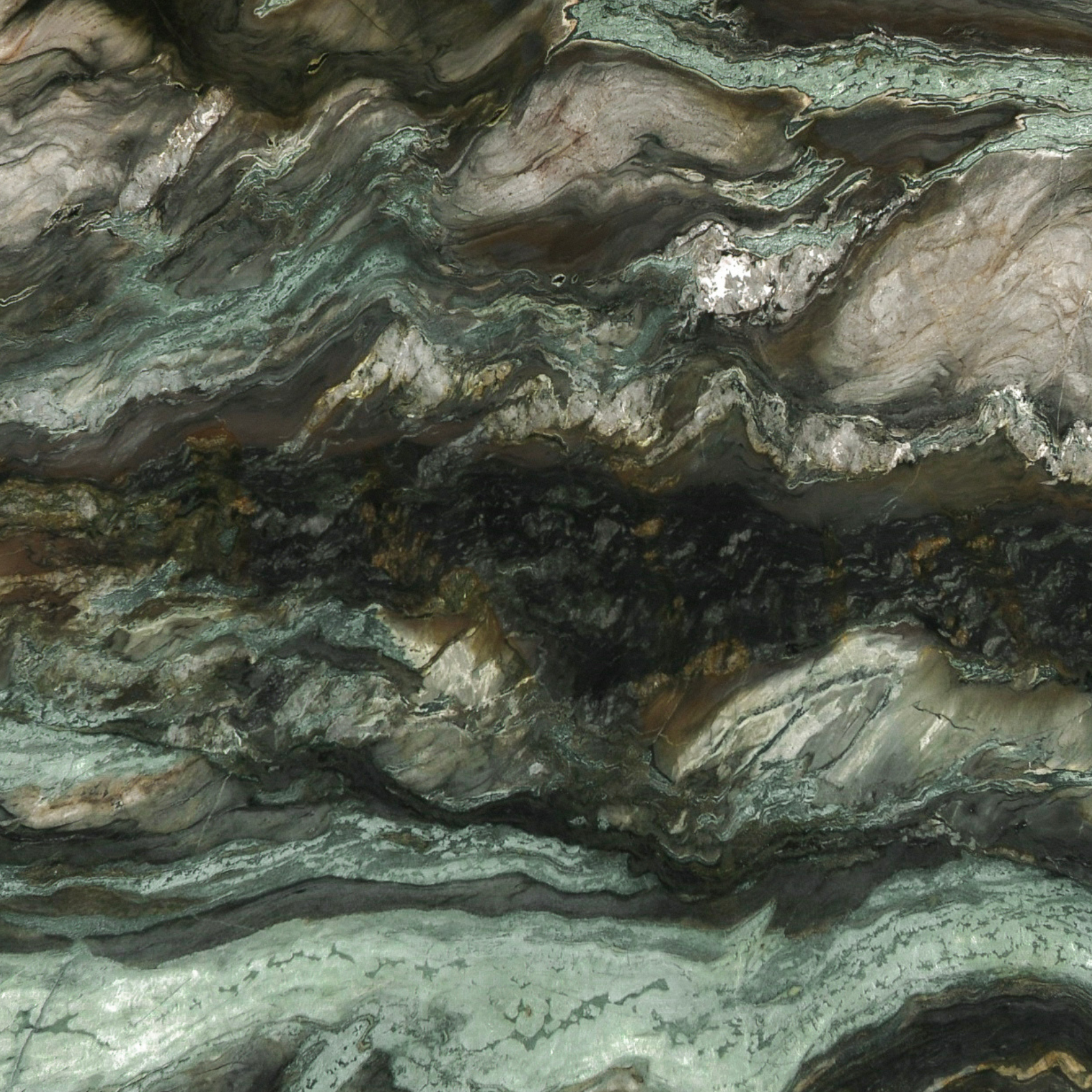
Amazon Reef
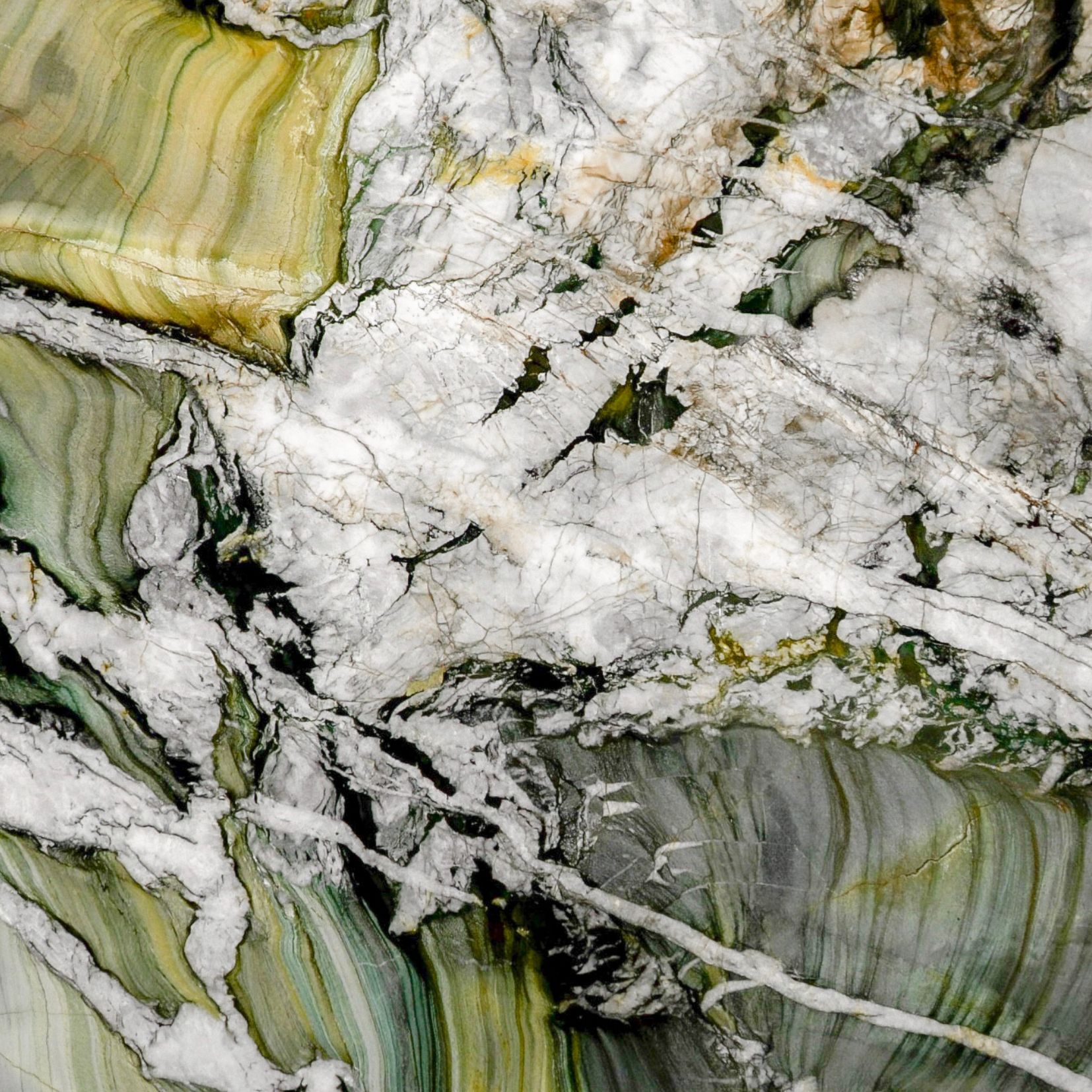
Fiji
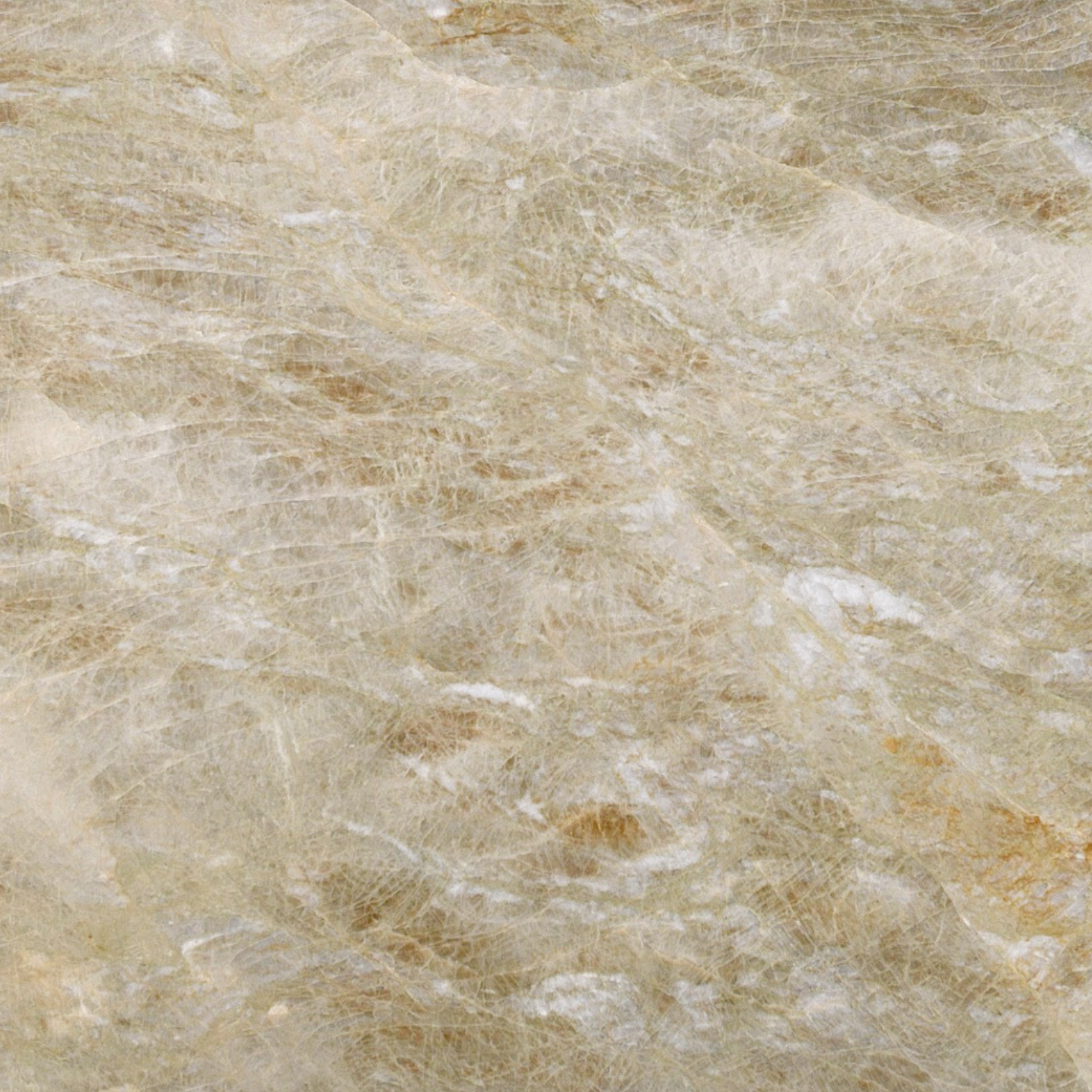
Perla Murano
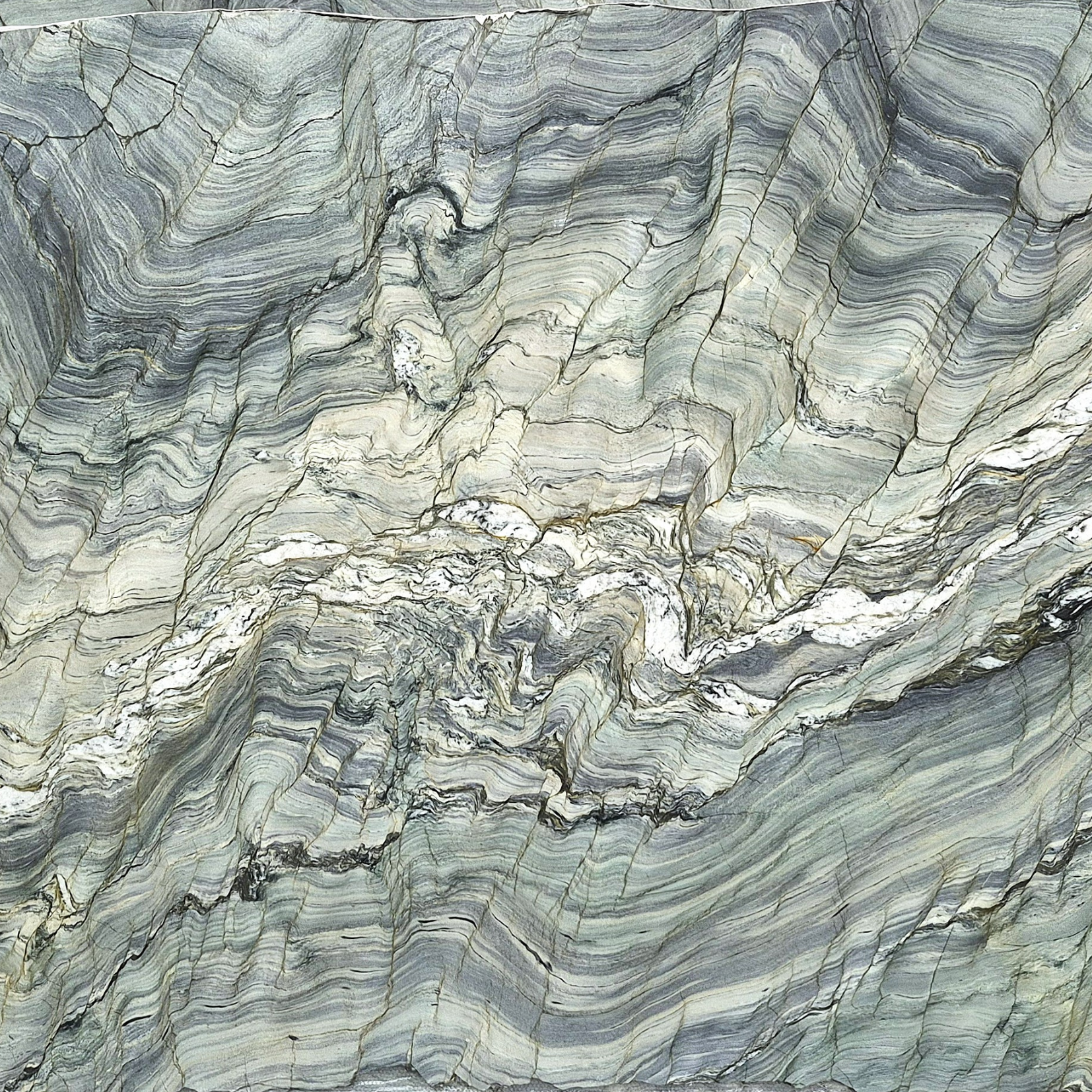
Fusion Light
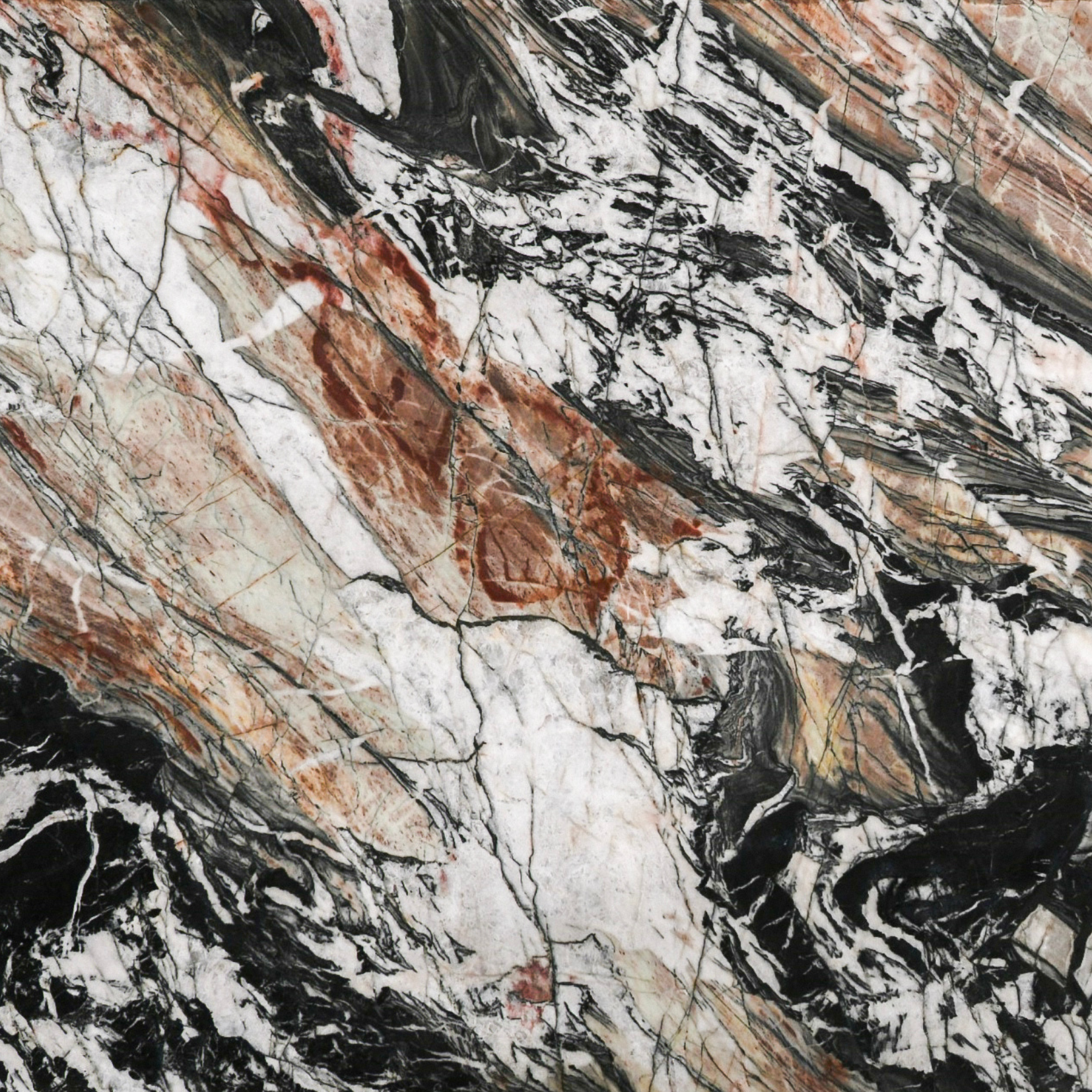
Baikal
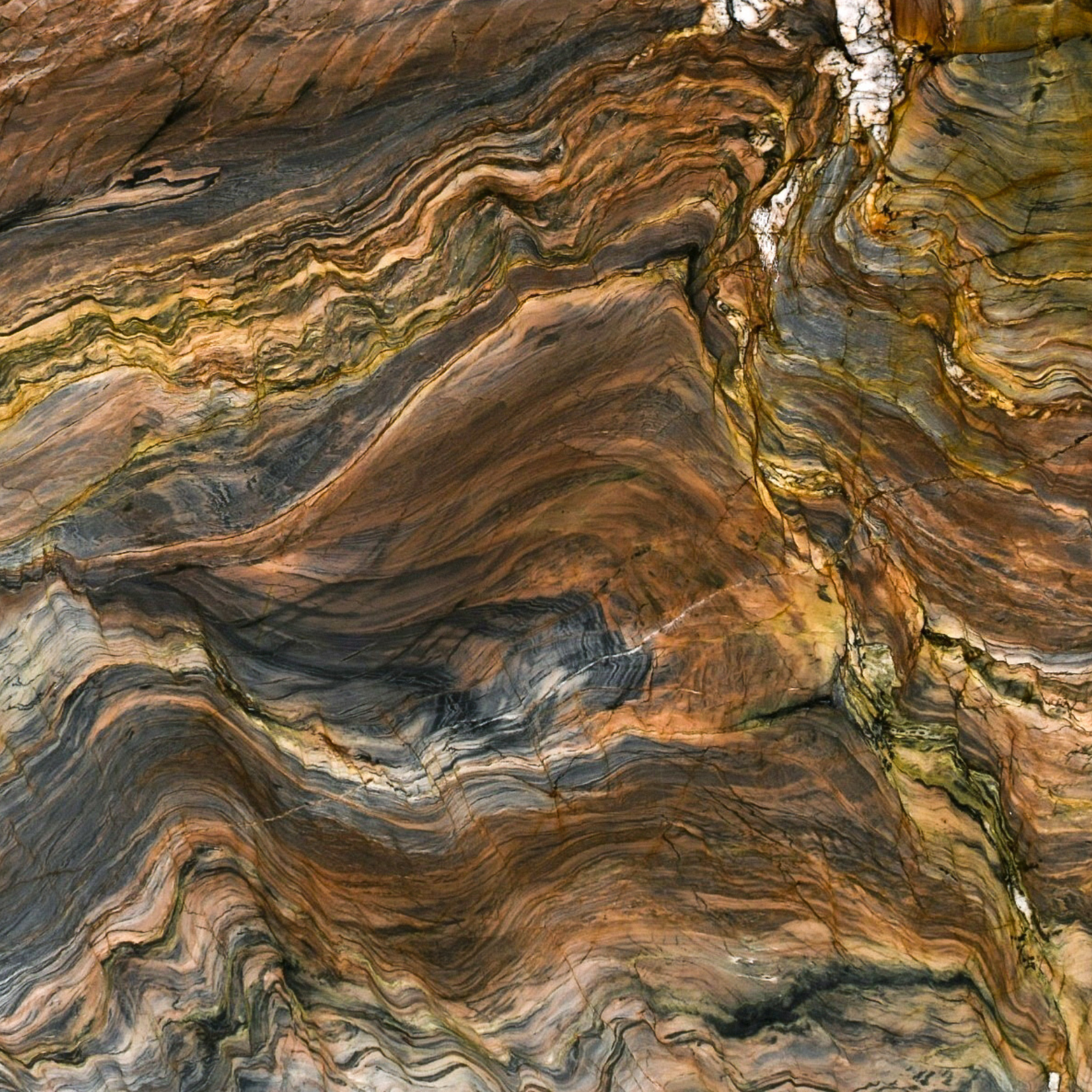
Fusion Multcolor
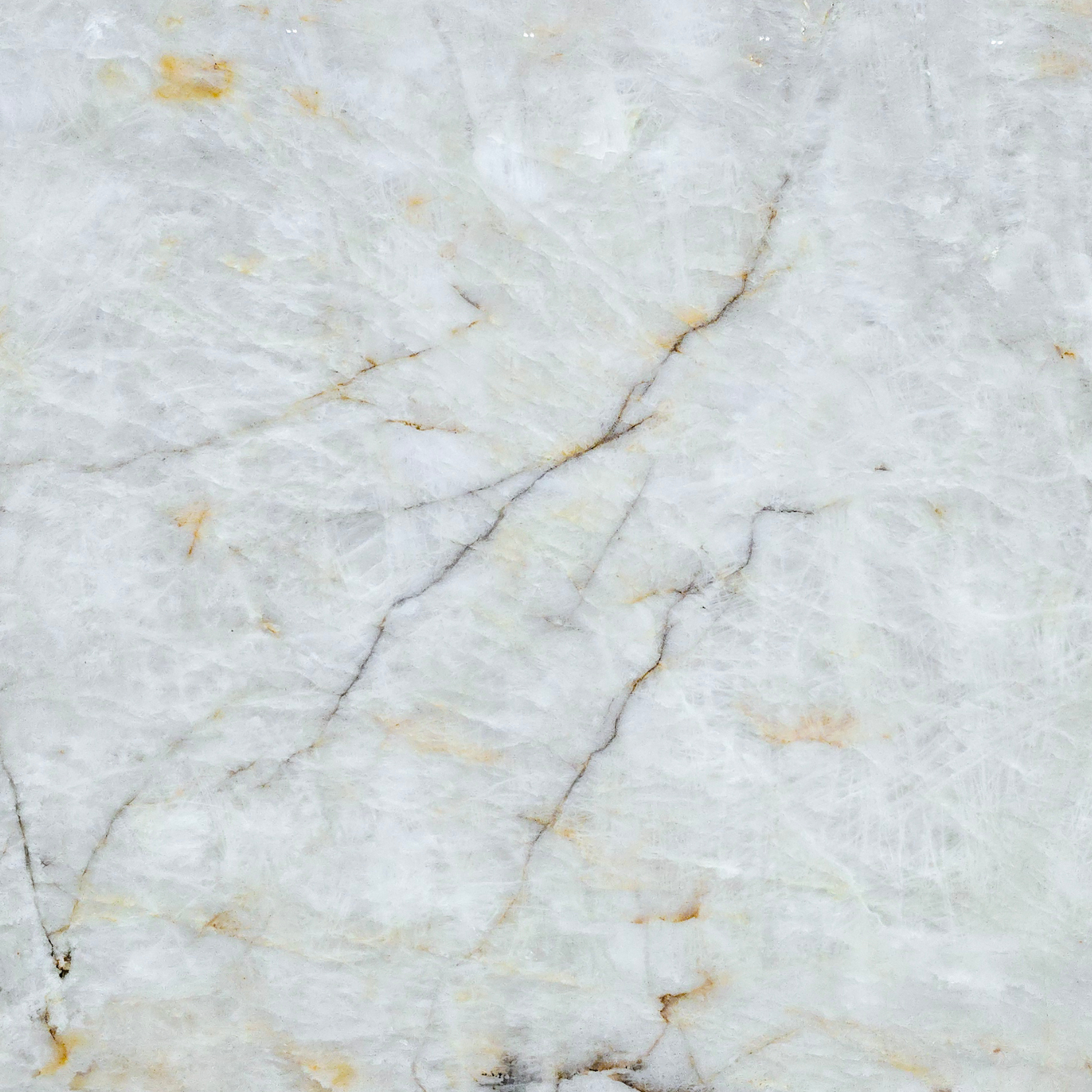
Cristallo Lumen
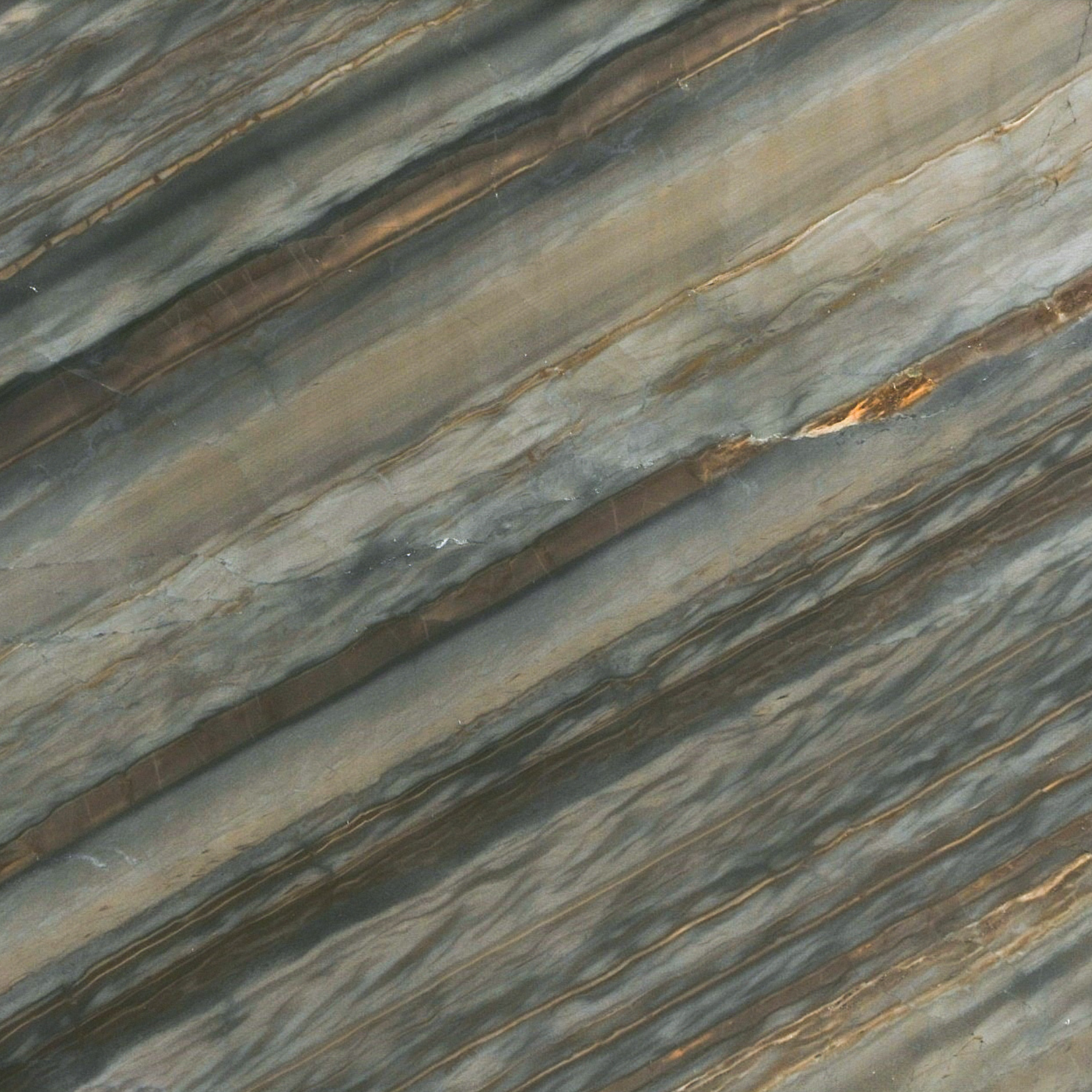
Elegant Brown
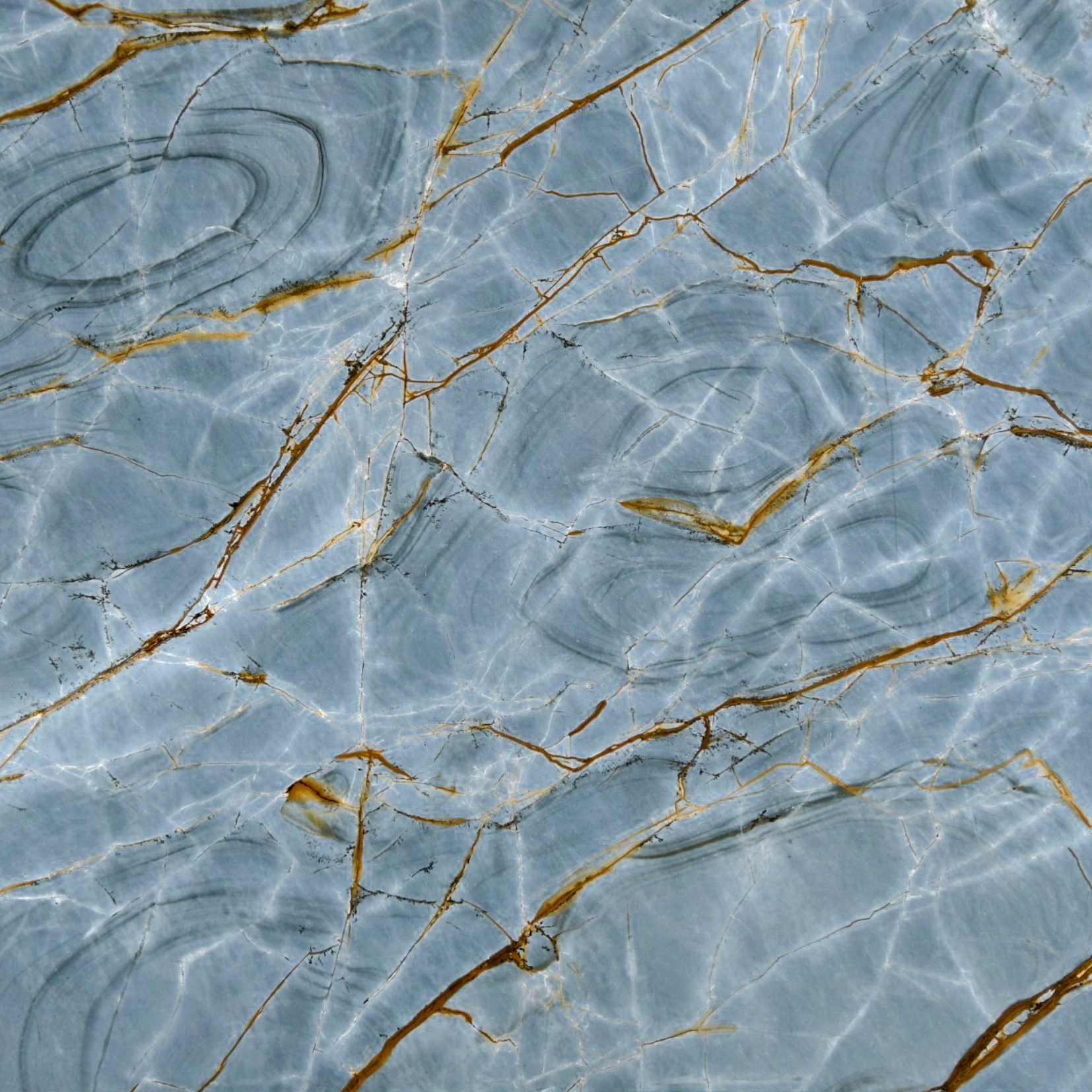
Blue Deep
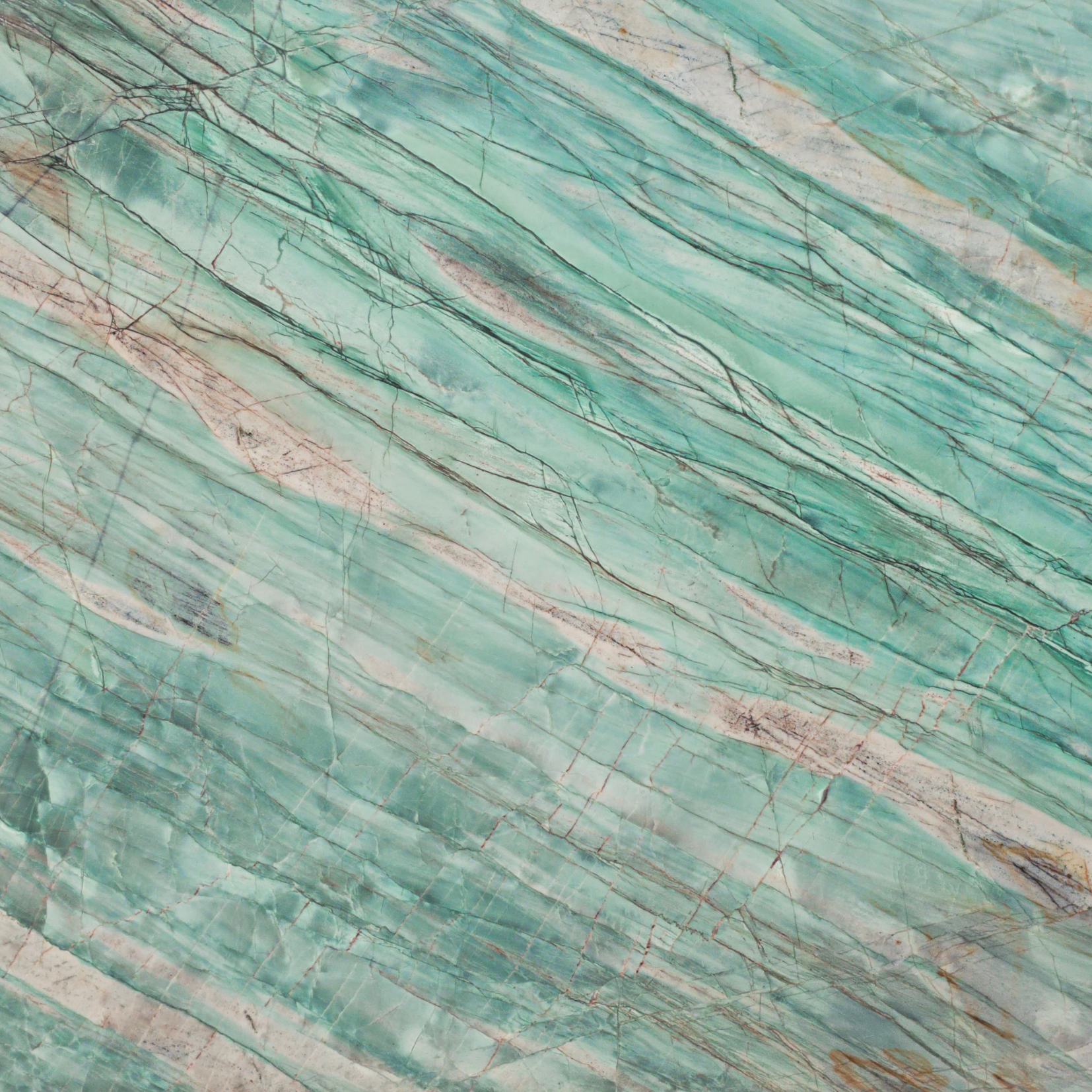
Emerasya
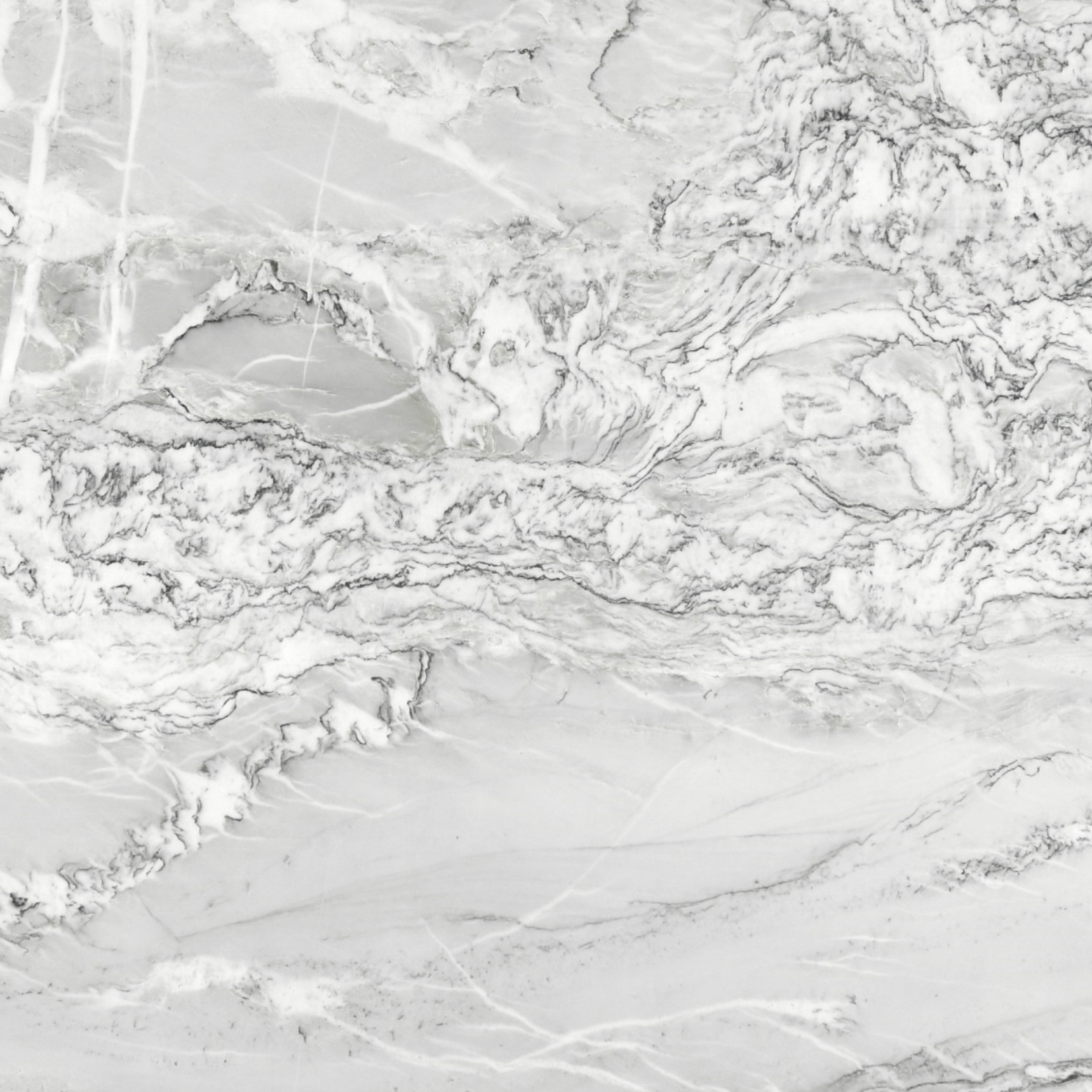
Mont Blanc Extreme
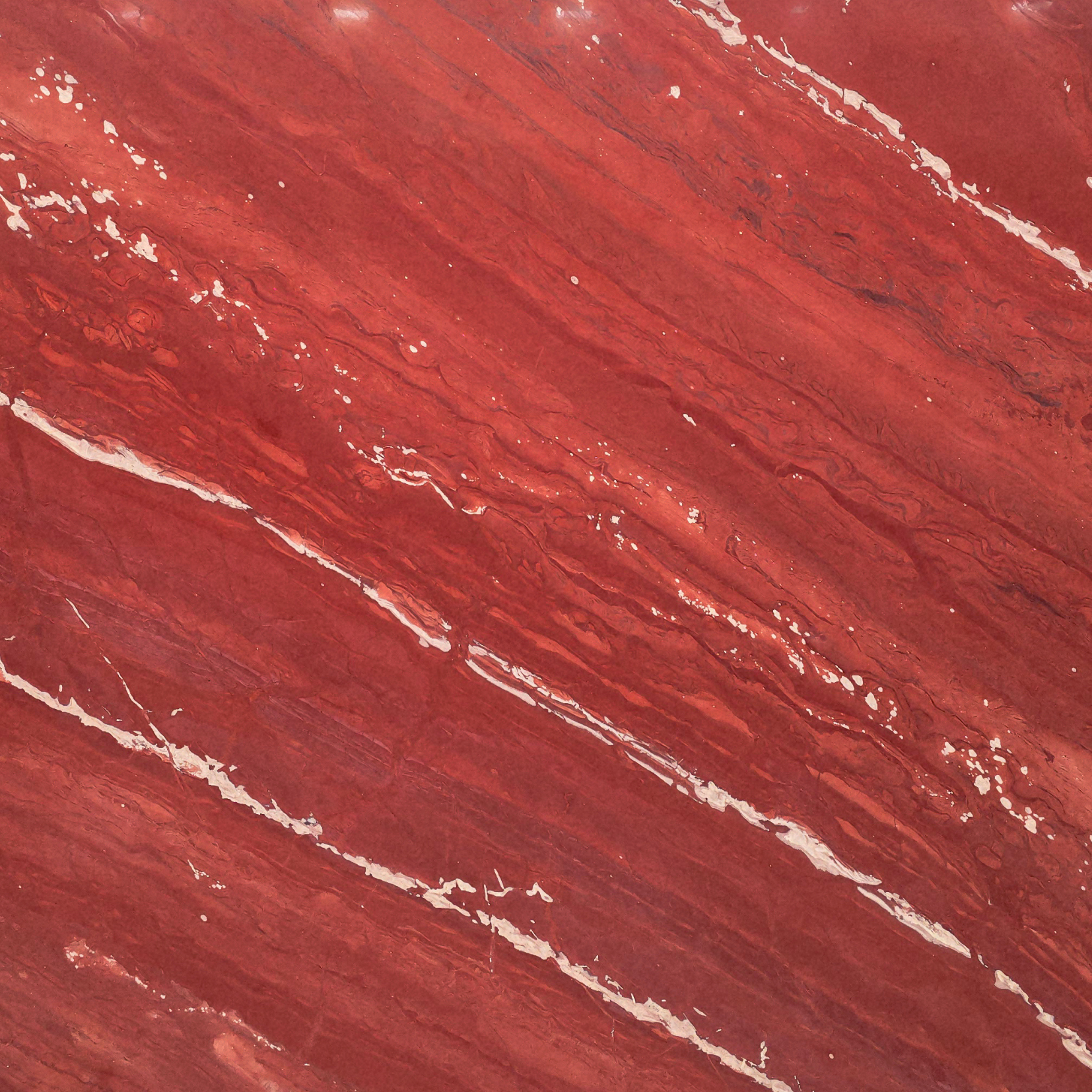
Jasper
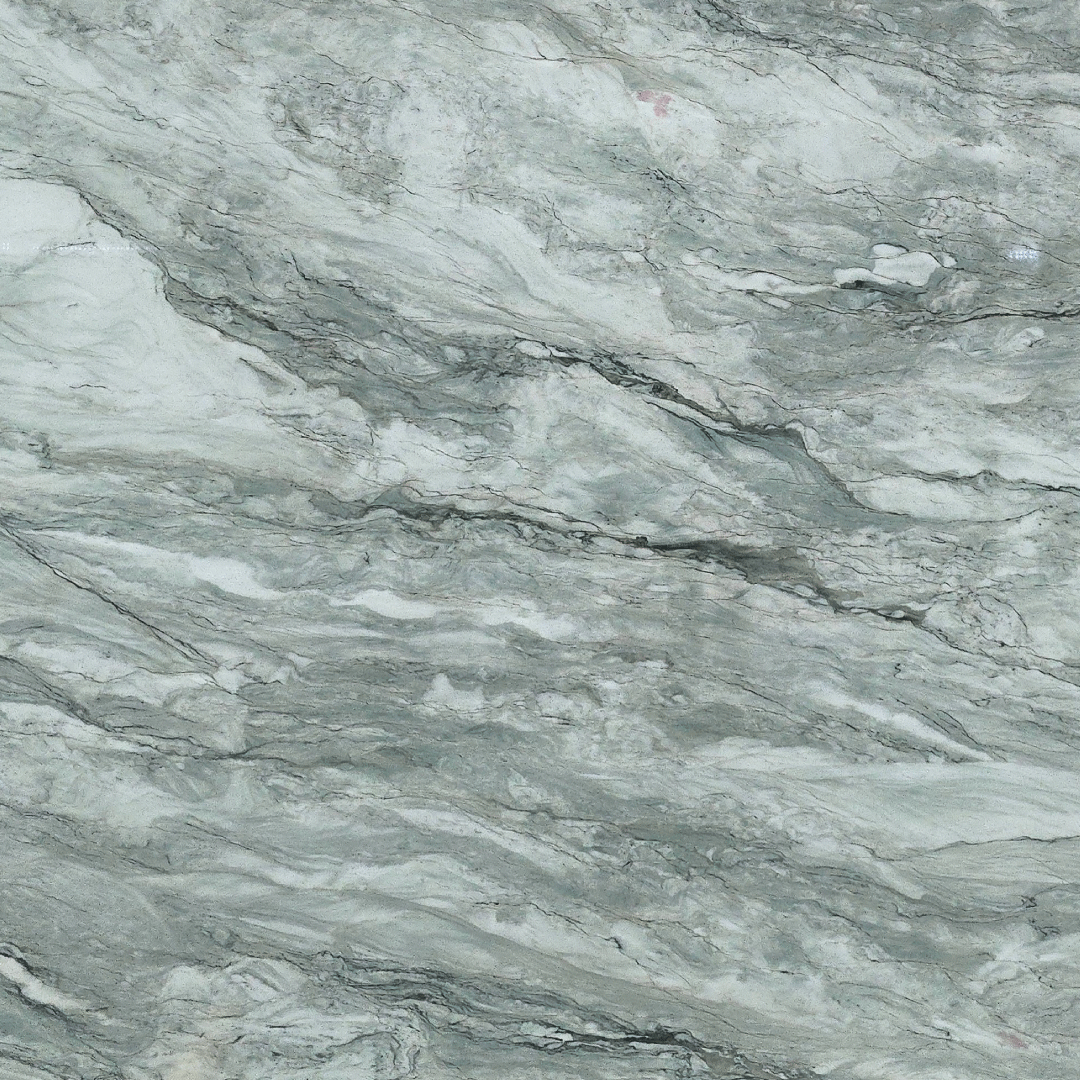
Ocean Green
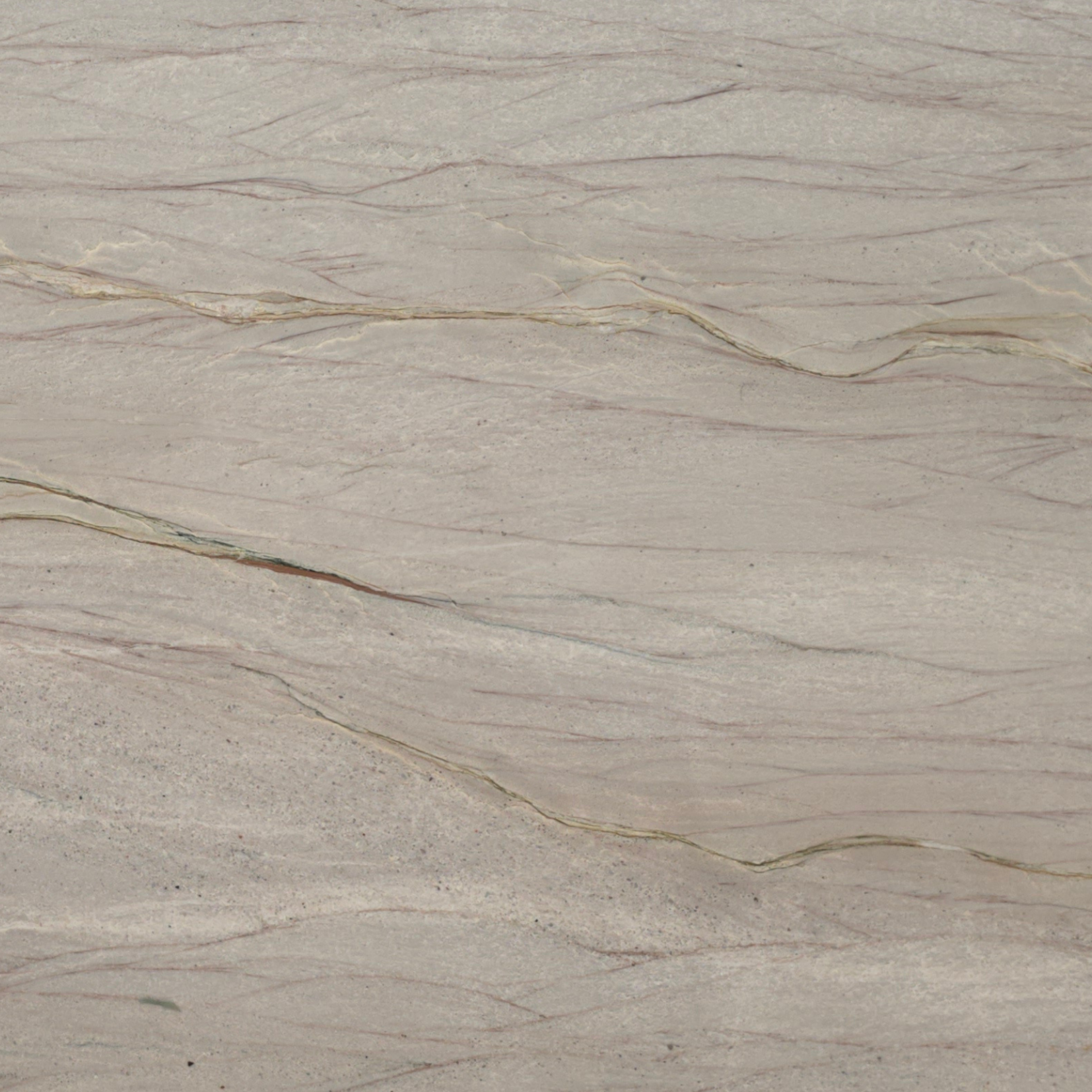
Kallahary Select
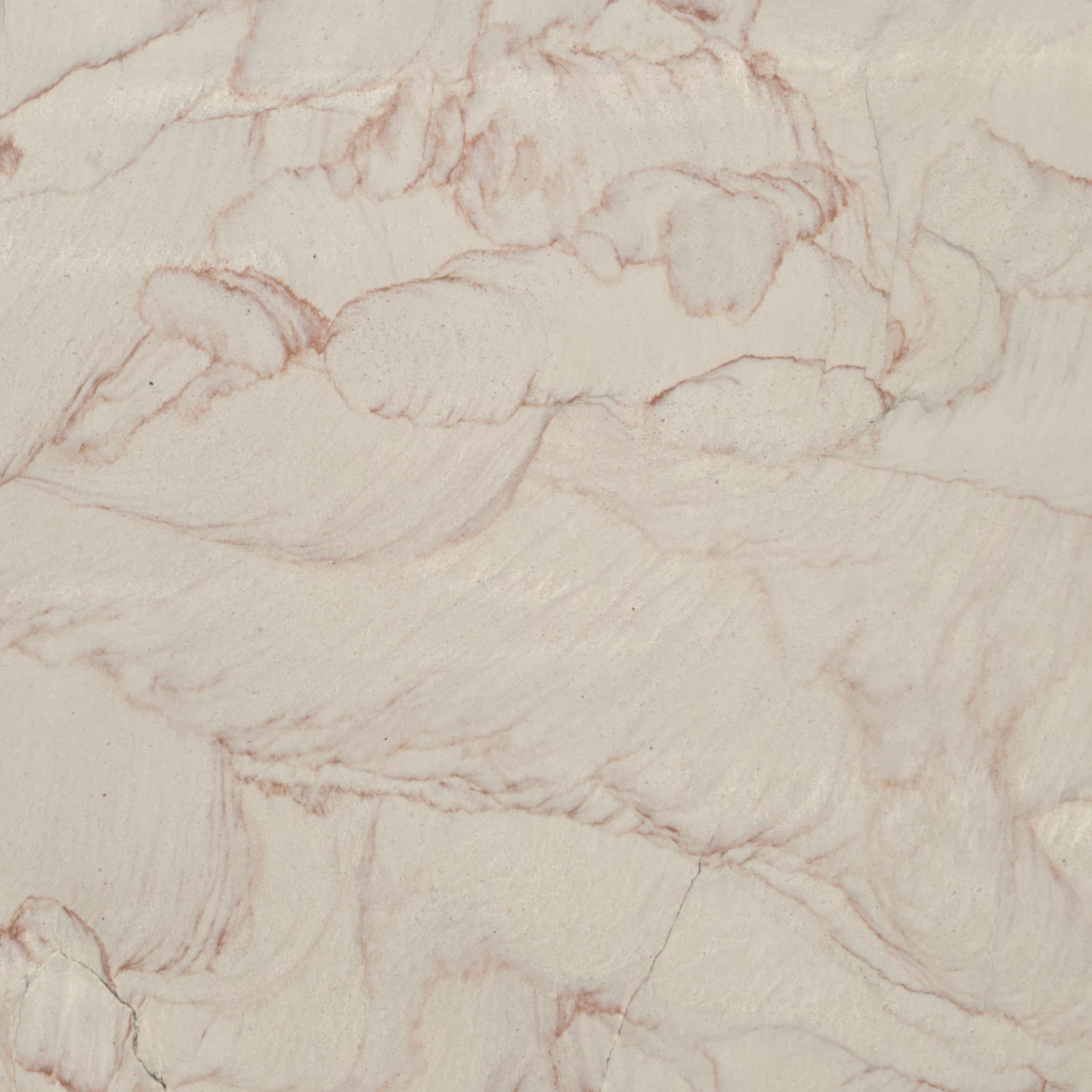
Kallahary
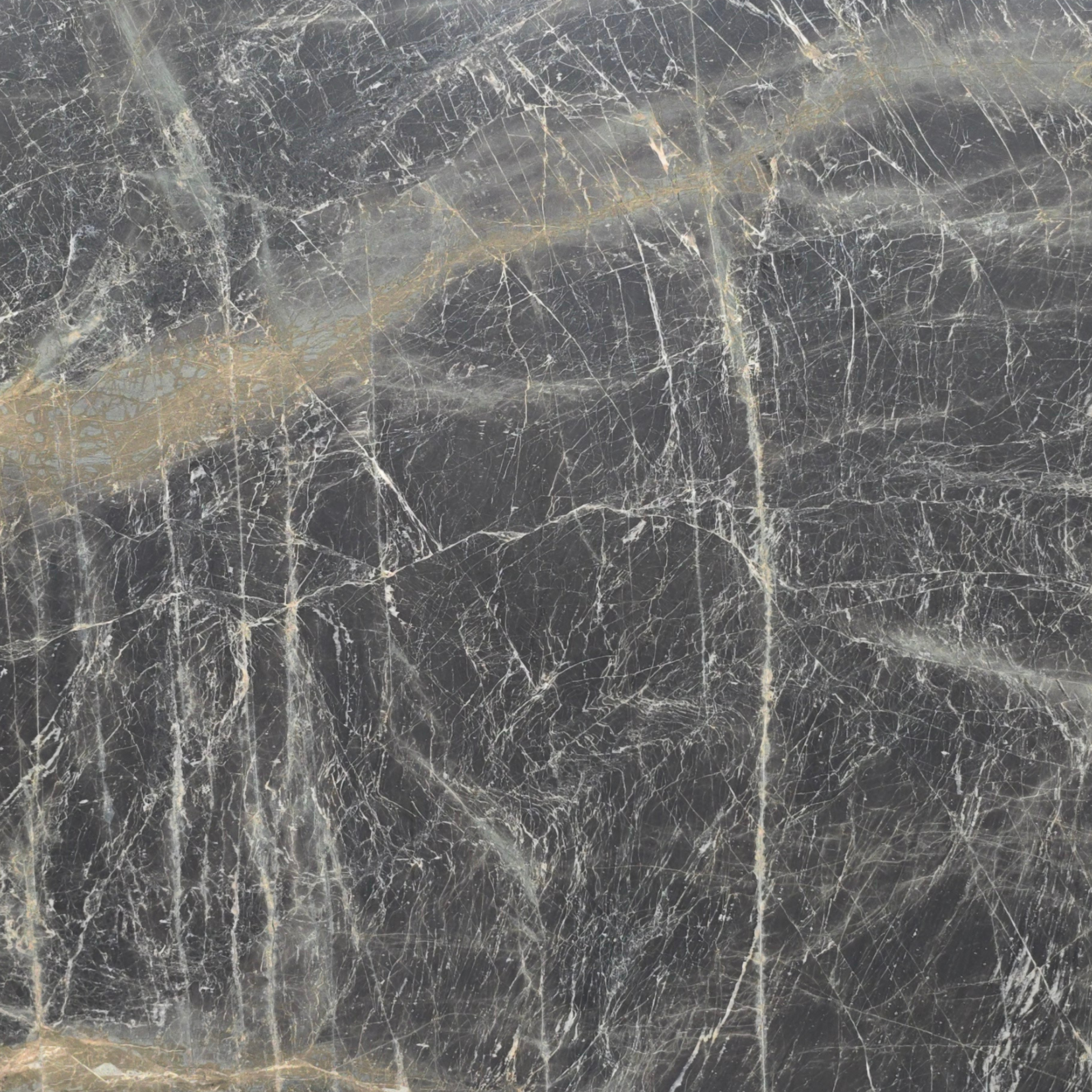
Nebula
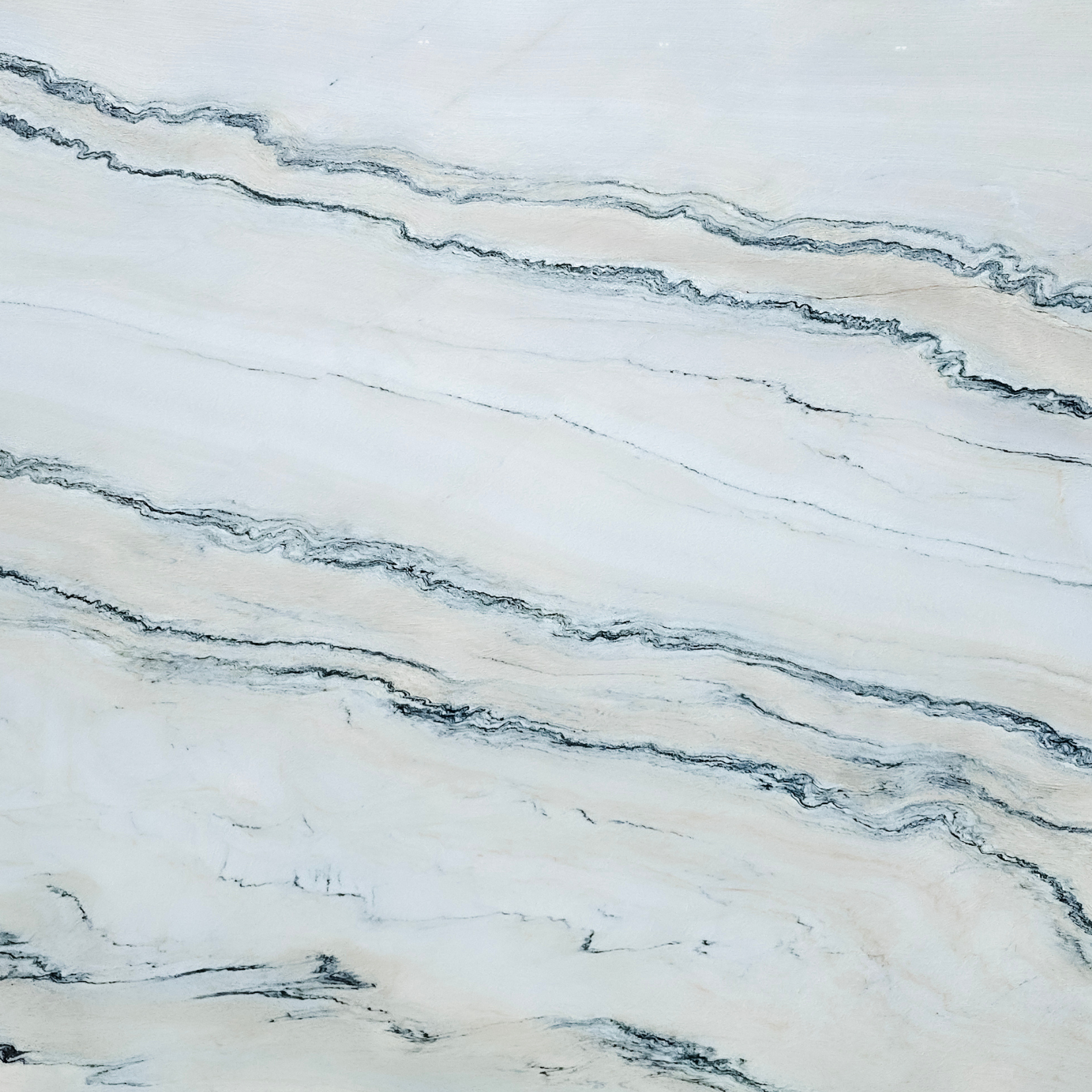
Macaubas Fantasy
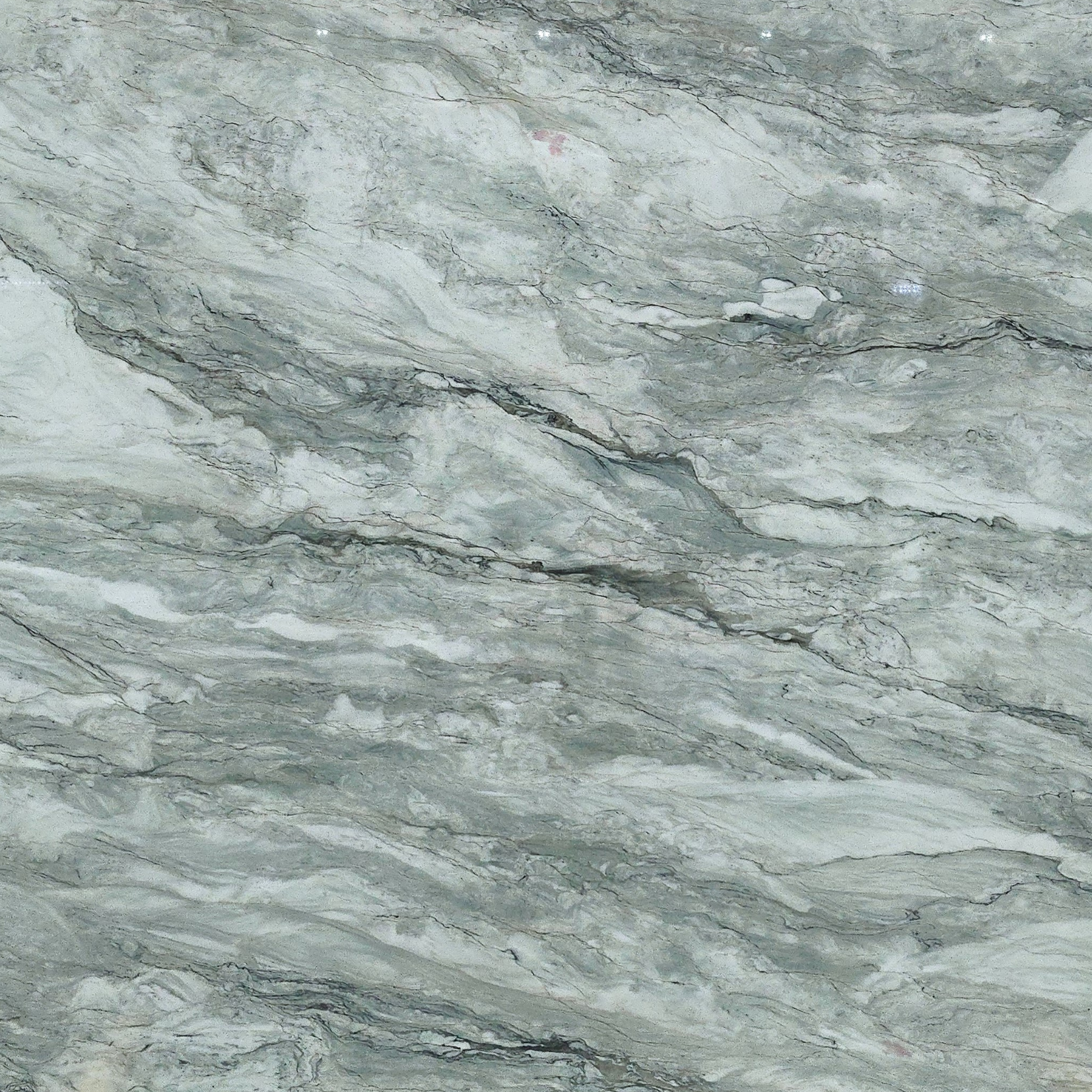
Ocean Green
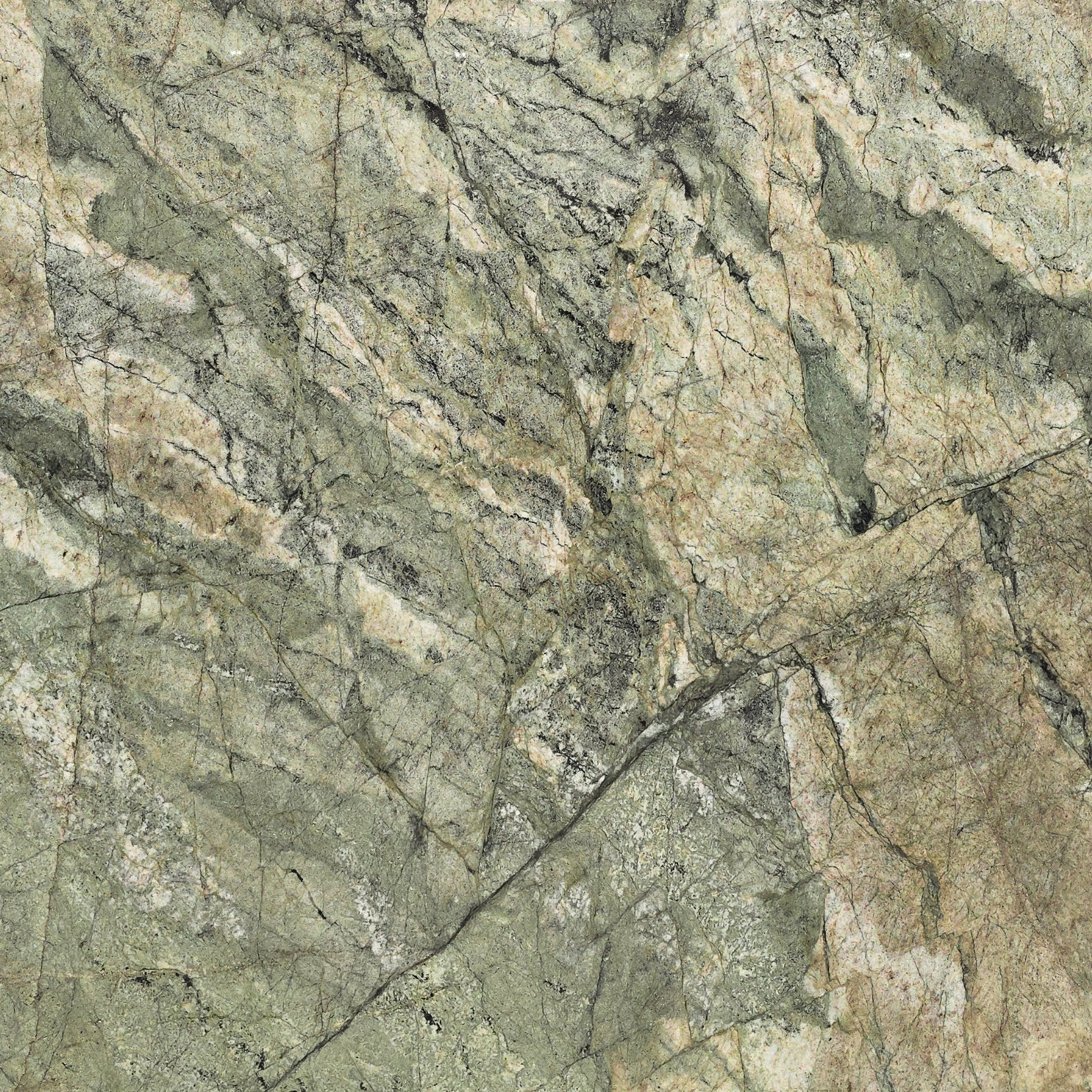
Safari Green
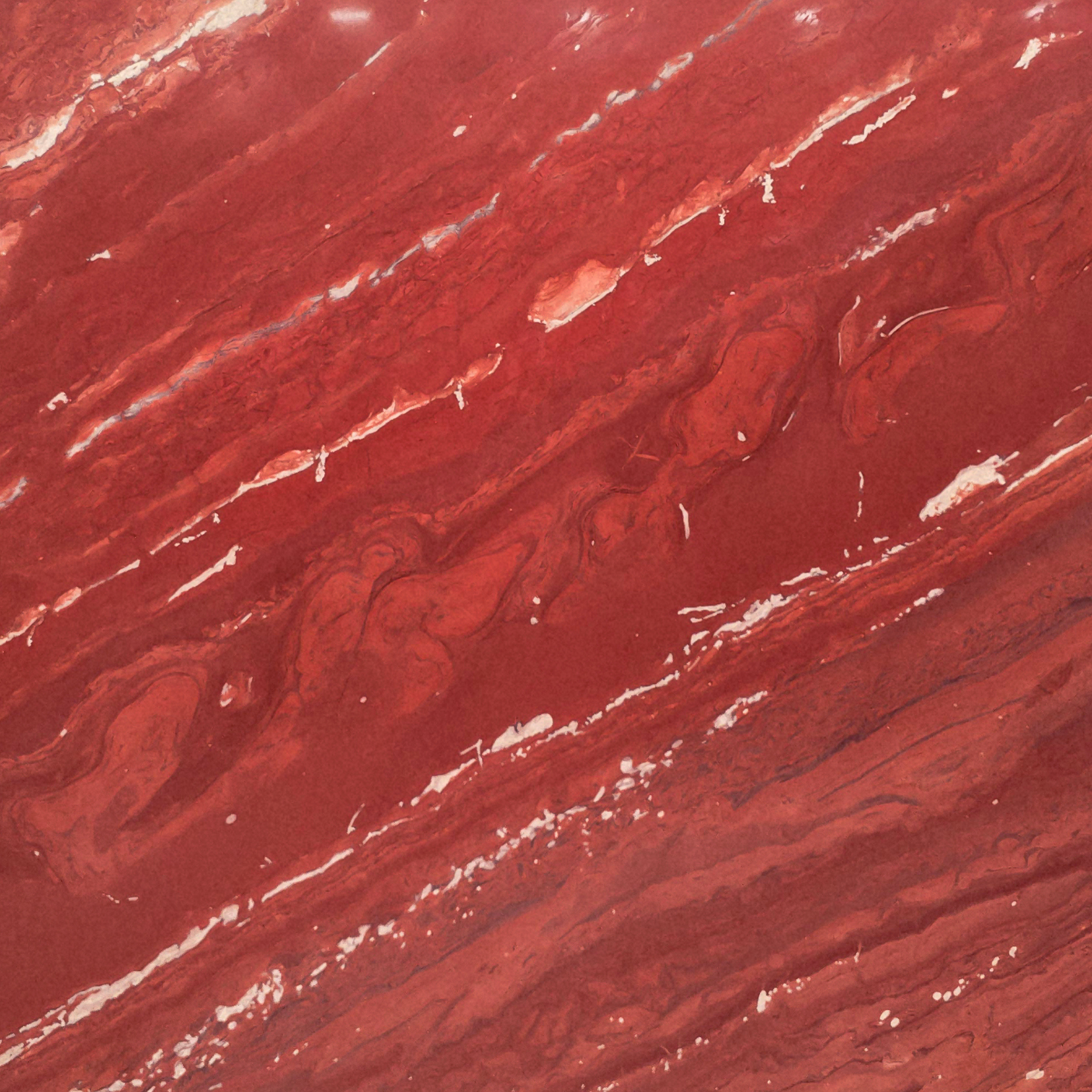
Rascunho
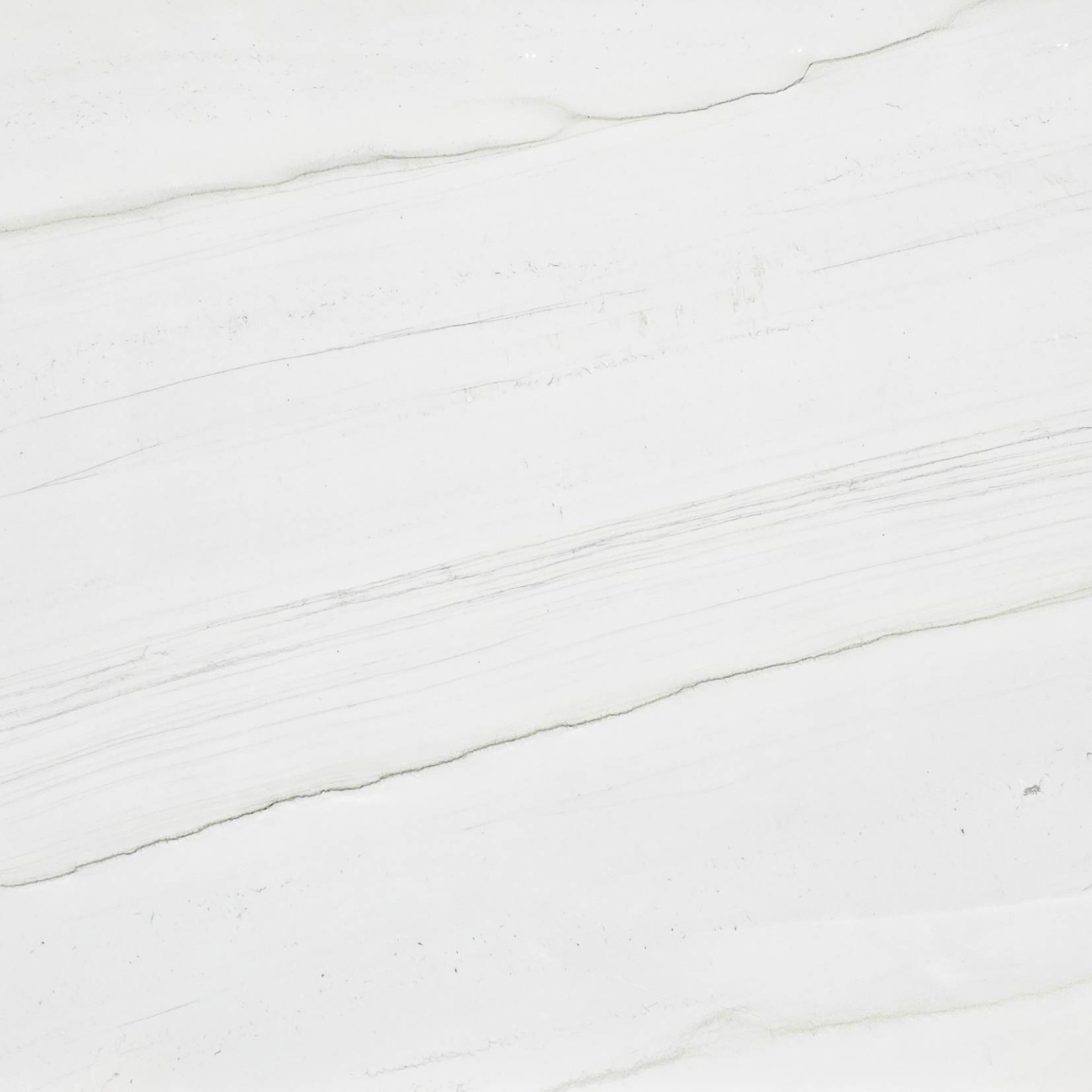
Mont Blanc
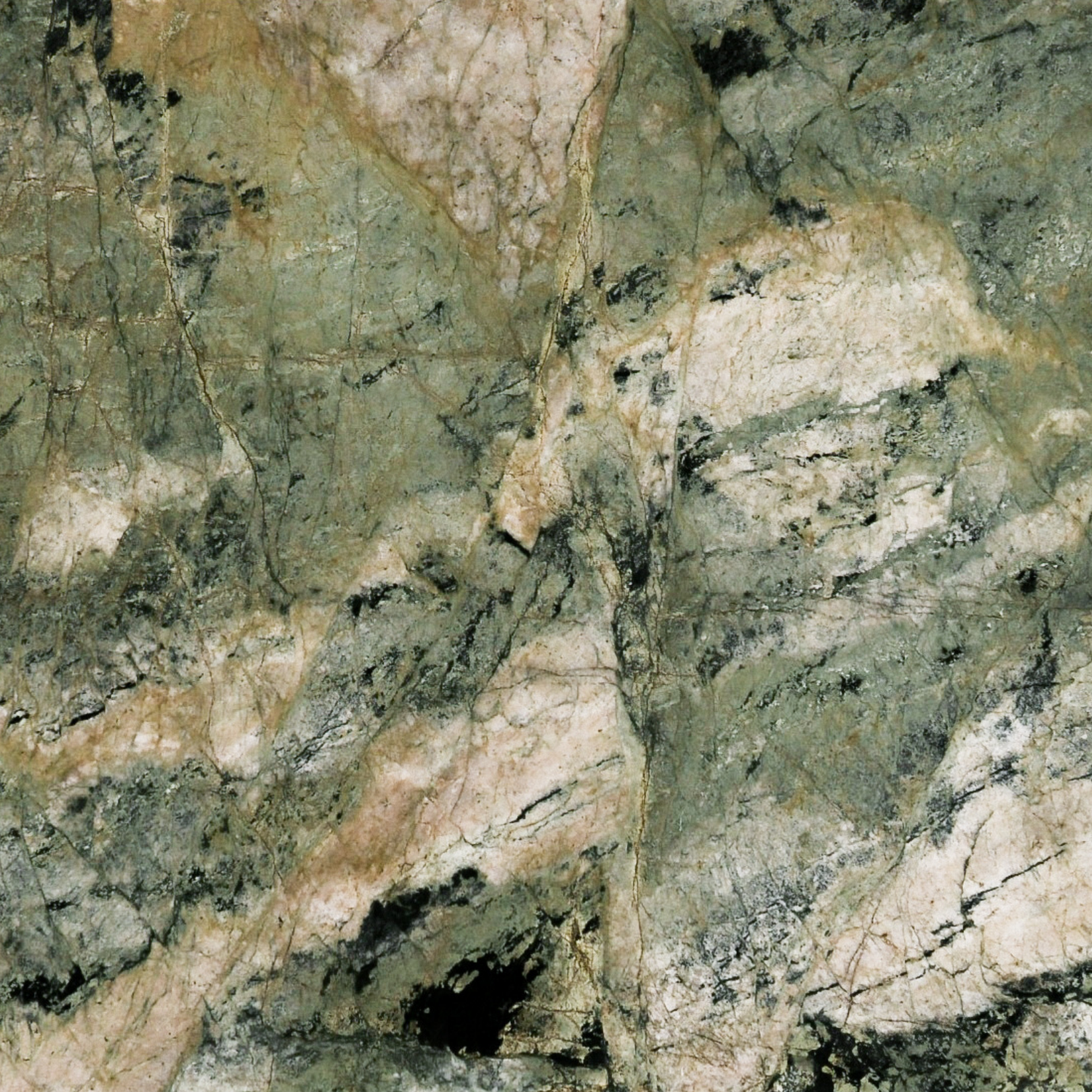
Safari
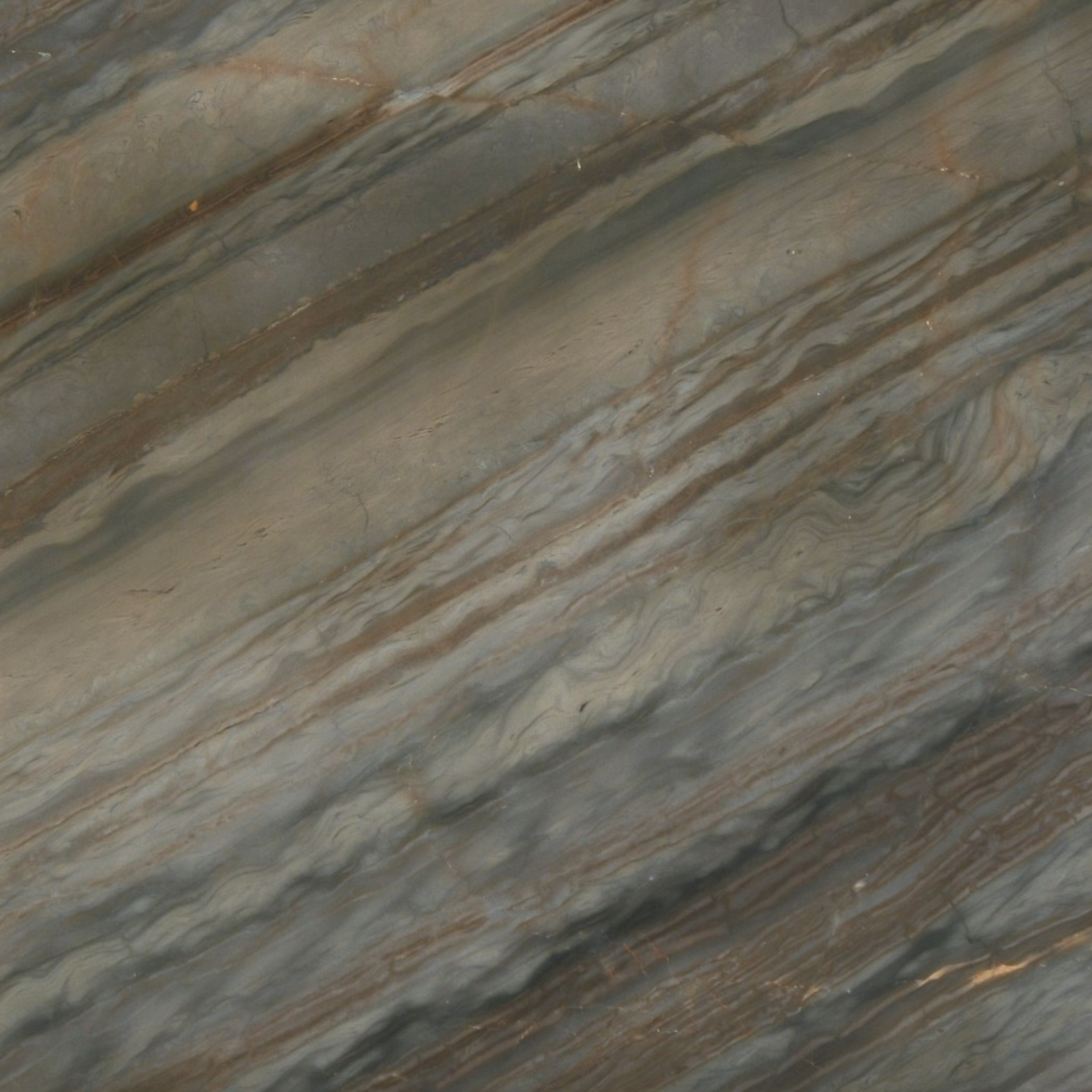
Elegant Brown
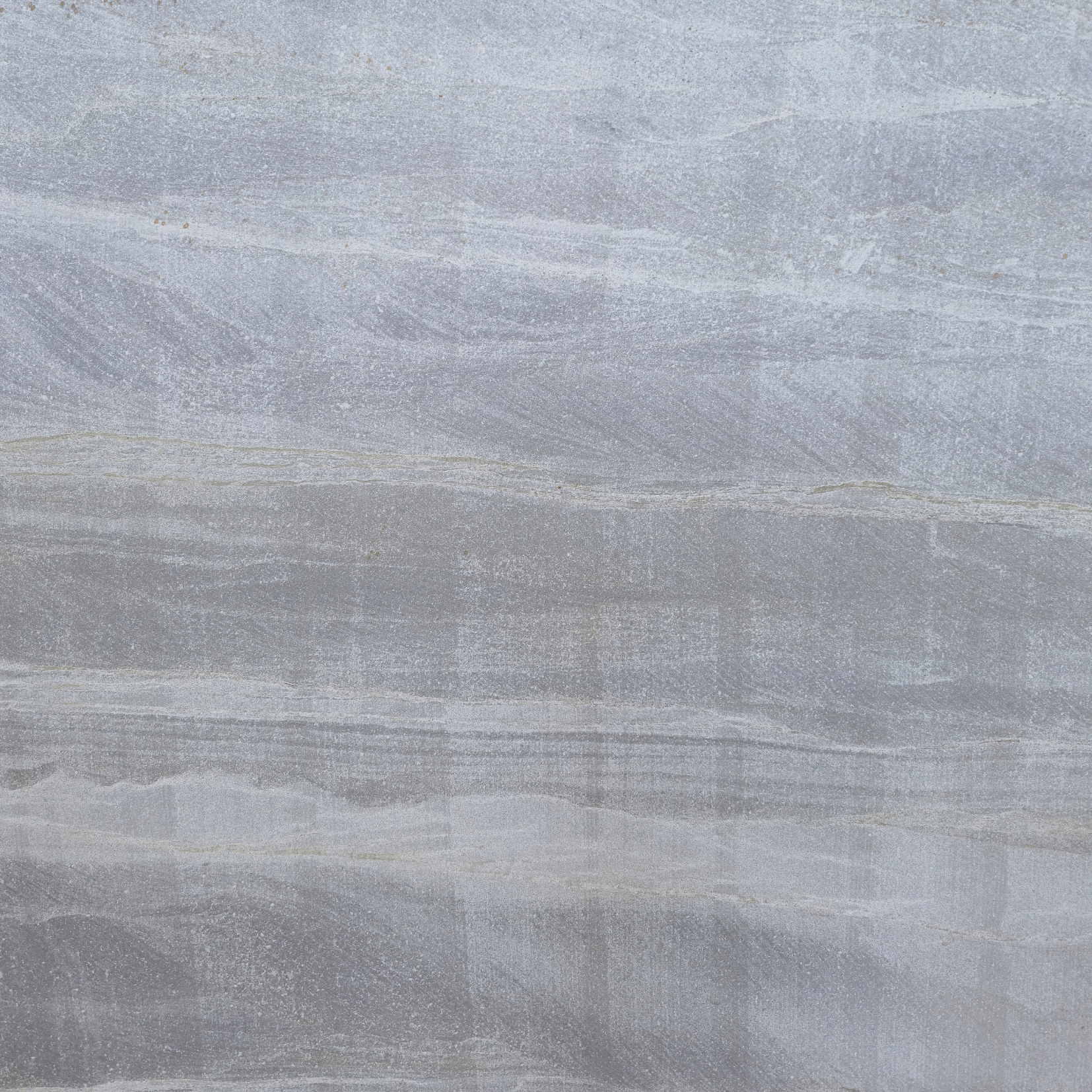
Atlantis
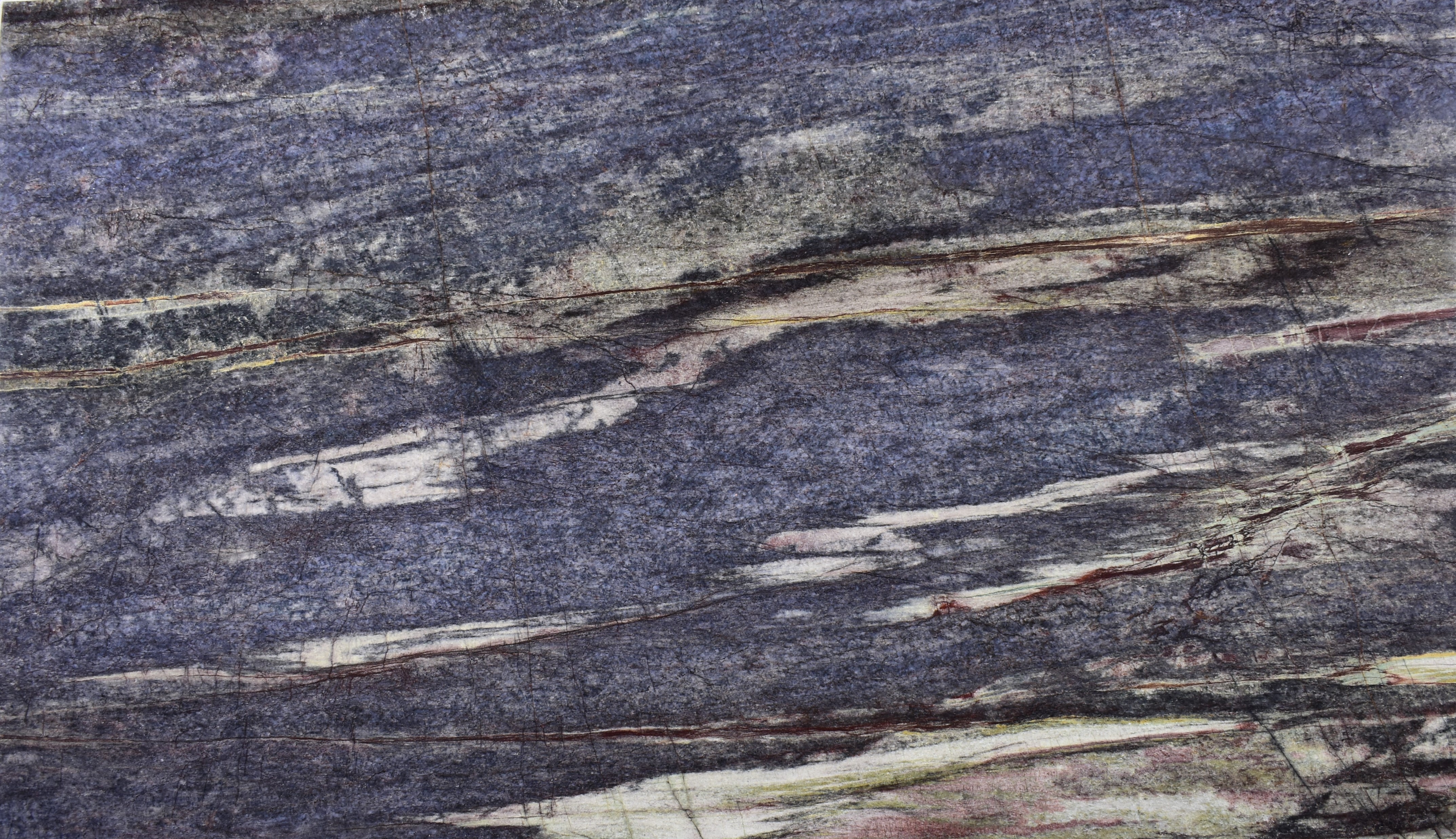
Ava Blue

Epidoto